
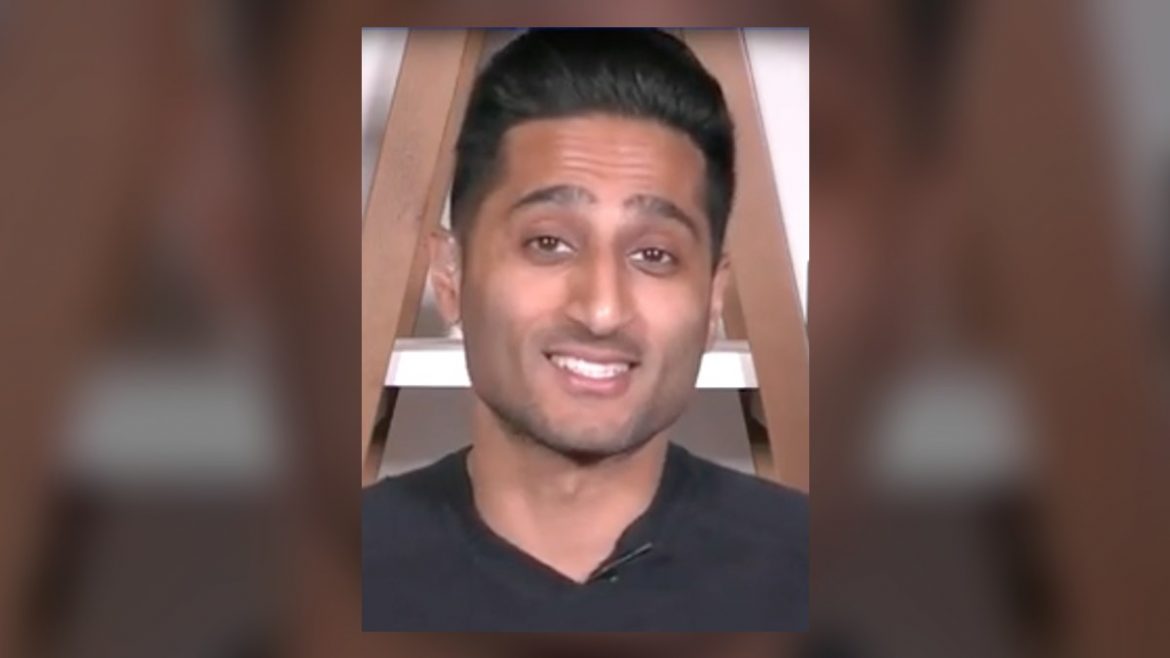
Charania report sparks reaction before league announcement
Shams Charania, one of the NBA’s most prominent news breakers, faced criticism Tuesday after reporting the league’s Most Valuable Player result before the NBA made its official announcement, according to an MSN report surfaced through Google News.
The episode pointed to a familiar tension in modern sports media: the race to publish independently sourced information versus a league’s effort to control the timing and presentation of major news. The MVP is one of the NBA’s highest-profile individual honors, and its announcement is usually treated as a league event, with an official rollout, player reaction and league confirmation.
According to the MSN headline, Charania was criticized for reporting the MVP before the official NBA announcement. The available summary did not provide extensive detail about who objected or how the league responded. Still, the reaction fits a broader debate that has followed sports media for years, especially when awards, draft picks, transactions and disciplinary decisions reach the public through reporters before formal statements.
Charania has built his reputation on speed and accuracy in breaking NBA news, particularly on player movement, injuries and league decisions. That role often puts top insiders ahead of official channels. In this case, the sensitivity centered not on a trade or signing, but on an award the league traditionally presents as a moment for the winner, the team and the NBA’s media platforms.
Why MVP timing matters to the NBA
The MVP award carries significance beyond the trophy. It shapes a player’s legacy, becomes part of franchise history and often anchors the league’s postseason conversation. Because of that, the NBA has an interest in preserving the impact of the announcement, whether it comes through a televised segment, a press release, social media or a coordinated interview with the winner.
When the result becomes public before the planned reveal, the moment changes. The official announcement can begin to feel like confirmation rather than news. For fans, that may not diminish the achievement, but for the league and its media partners, it can undercut the presentation. For the player involved, it may also affect how reactions unfold, with teammates, family members and coaches potentially learning of the result through a report rather than the league’s intended process.
That dynamic is not unique to the NBA. Across major sports, insiders routinely report draft selections before they are announced, coaching hires before teams make them official and award winners before televised reveals. The practice has become part of the sports news ecosystem, but it regularly produces friction when the information conflicts with a league’s preferred timeline.
Awards coverage sits in a gray area
There is a meaningful difference between reporting a developing basketball transaction and revealing an award result before a scheduled announcement. Trades, injuries and roster decisions can carry immediate competitive implications. Award announcements, by contrast, are ceremonial, even though the voting process is newsworthy and the result is historically important.
That distinction is why award leaks tend to generate a different kind of reaction. The information is legitimate news, but the timing can be viewed as disruptive. Supporters of aggressive reporting may argue that once a result is known and verified, a journalist’s responsibility is to report it. Critics may counter that awards are not urgent in the same way as transactional news and that early reporting can diminish the official recognition.
The current media environment makes the debate more visible. A single post from a prominent reporter can reach millions of people almost instantly, and aggregation can spread the information even faster. By the time an official league announcement arrives, the story may already have shifted from the winner to the way the winner became public.
That appears to be the case here, with the focus landing on Charania’s timing and the criticism it drew. Without a fuller account of who objected or how the NBA responded, the central confirmed point remains narrow: Charania reported the MVP before the league made it official, and the move prompted backlash.
Media speed versus official control
The episode underscores the continued influence of top NBA insiders. Their reporting can set the news agenda even on matters the league seeks to unveil on its own terms. It also shows the challenge facing sports organizations in an era when carefully staged announcements can be overtaken by independently sourced reporting.
The backlash also illustrates how awards coverage now functions as both journalism and entertainment programming. Leagues build anticipation around reveals to drive audience attention, while reporters compete to inform fans as quickly as possible. Those incentives are not always aligned. When an insider breaks a result early, the report can satisfy immediate news demand but also disrupt the league’s planned storytelling, turning a celebratory rollout into a discussion about media protocol.
For the NBA, the MVP reveal remains one of the marquee moments of awards season. For reporters, the result is a major news item. The conflict between those priorities is unlikely to disappear, particularly as competition among national insiders, broadcasters and digital platforms remains intense.
From a news standpoint, accuracy and transparency matter most. If a reporter publishes a major award result before the official announcement, the information must be correct, clearly attributed when possible and handled with an understanding of its impact. At the same time, criticism over timing is part of the environment that comes with breaking news another institution intended to release first.
Many fans no longer wait for a formal reveal to learn the outcome of an award, draft selection or personnel decision. Instead, they often follow a chain that begins with an insider report, moves through social media reaction and ends with an official statement. In that sequence, the official announcement still matters, but it may no longer be where fans first encounter the news.
In this instance, Charania’s early MVP report became a story of its own before the NBA’s announcement could fully command the spotlight. The response reflects the current sports media landscape and shows why the debate over timing, access and control will continue whenever major sports news reaches the public before an organization is ready to say it officially.