
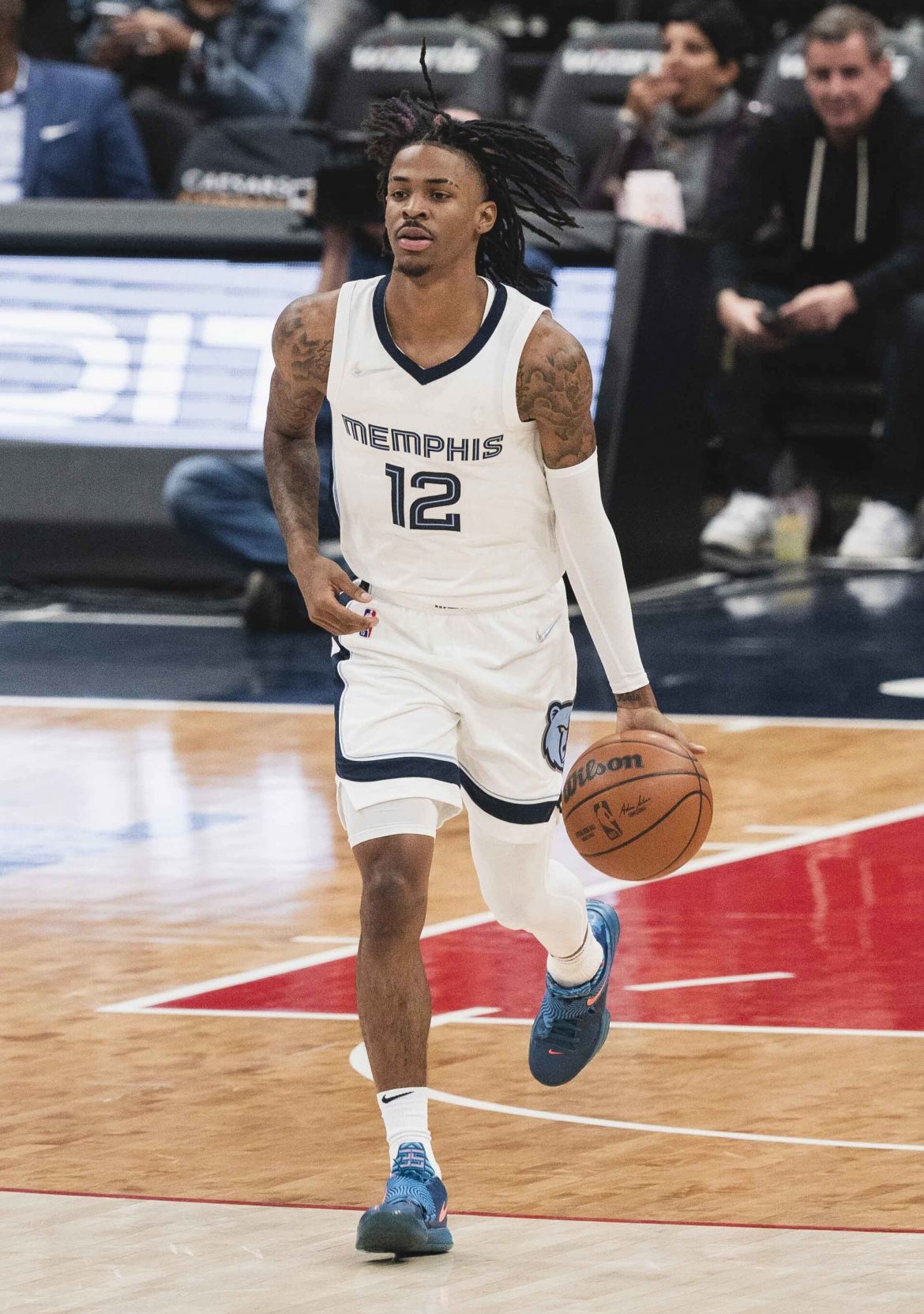
Player perception becomes an offseason issue in Memphis
The Memphis Grizzlies are facing renewed scrutiny over how they are viewed by players around the NBA after multiple outlets circulated a report Tuesday citing The Athletic’s examination of why some players reportedly do not want to be traded to Memphis.
The stories, published by ABC10, kiiitv.com, 5newsonline.com and newscentermaine.com, all framed the issue around the same central question: why Memphis has become a difficult destination in the eyes of some players. The available summaries did not identify specific players, active trade talks or a completed transaction. Still, the topic is relevant for a franchise that has often relied on internal development and targeted trades rather than star-driven free-agent recruitment.
For the Grizzlies, the matter is less about one headline than the broader reality of modern roster building. NBA players under contract generally can be traded without approval unless they hold rare contractual protections. But preferences still matter. Agents communicate with front offices, players talk among themselves, and teams considering a major acquisition want confidence that the player will report, engage with the organization and, in some cases, consider a longer-term future there.
That is where perception can become a practical concern. A team does not need to be a glamour market to win in the NBA, and Memphis has demonstrated that over multiple eras. But if the belief spreads that players are reluctant to land there, it can complicate negotiations, narrow the range of realistic targets and force the front office to weigh chemistry and buy-in as heavily as salary matching or on-court fit.
A franchise with a strong identity but familiar small-market challenges
The Grizzlies have long had one of the league’s clearest basketball identities. The “Grit and Grind” era, built around Marc Gasol, Zach Randolph, Mike Conley and Tony Allen, made Memphis a difficult opponent and gave the city a team that reflected its competitive edge. That group did not require the NBA’s biggest stage to become respected across the league.
The more recent version of the franchise has been built around Ja Morant, Jaren Jackson Jr. and a deep group of drafted or developed contributors. At its best, Memphis has played with speed, athleticism and defensive range. The organization’s rise earlier in the decade made the Grizzlies one of the league’s more intriguing young teams, but the last several years also brought availability issues, injuries and instability that interrupted that trajectory.
That context matters because player preference is rarely about one factor. Around the league, players often consider role, roster direction, organizational stability, family logistics, medical support, coaching fit and opportunities off the court. Market size can be part of the conversation, but it is not the whole conversation. Oklahoma City, Milwaukee, San Antonio and other smaller NBA markets have shown that strong leadership, winning and player development can outweigh geography.
Memphis cannot change its market size, but it can shape the conditions around it. Winning remains the most persuasive argument. So does clarity: a defined role, a stable basketball plan and a locker room that players believe in. For any team outside the NBA’s traditional destination cities, those details are not secondary. They are part of the recruiting pitch, even when the mechanism is a trade rather than free agency.
Why the report matters even without a specific trade
The significance of the report is not that Memphis is suddenly unable to make trades. The Grizzlies have assets, established players and a front office with experience navigating the trade market. The significance is that reputation can influence the cost and practicality of deals.
If a player has only a short time remaining on his contract, an acquiring team must judge whether the move is worth the risk of a brief stay. If a player is on a long-term contract, the concern shifts toward engagement and fit. If an agent signals that a player is unhappy with a potential destination, the team acquiring him has to decide whether the talent outweighs possible friction. Those calculations occur throughout the league, and Memphis is not alone in facing them.
Still, the Grizzlies’ situation is notable because their path back toward sustained contention likely depends on precise roster decisions. They are not positioned like a franchise that can assume elite free agents will choose them in July. Their advantage has typically come from drafting well, developing players and finding undervalued contributors who fit a specific style. If outside players are hesitant, Memphis must be even more disciplined in identifying players who value opportunity, role and competitiveness over market profile.
It also puts more pressure on the organization’s core. A healthy, productive Morant and Jackson can change the way the franchise is viewed. So can a stable rotation, a strong development pipeline and a team culture that players around the league describe positively. Perception is not fixed, but it is earned over time.
No formal barrier, but a real storyline
For now, there is no indication from the cited summaries that a specific Grizzlies trade has collapsed because of player reluctance. The reports should be understood as a reflection of leaguewide perception rather than evidence of an immediate roster move. Even so, perception is part of the NBA’s operating environment.
Memphis has overcome skepticism before. The franchise has built respected teams without being a traditional destination, and the city has supported groups that played with toughness and purpose. The challenge now is to make that history relevant to the current player landscape.
If the Grizzlies want to be aggressive in reshaping or strengthening the roster, they will need more than matching contracts and draft assets. They will need to convince players, agents and rival front offices that Memphis is not simply a place a player can be sent, but a place where a player can thrive.
Sources
- ABC10: Why don’t NBA players want to be traded to the Memphis Grizzlies (according to The Athletic)?
- kiiitv.com: Why don’t NBA players want to be traded to the Memphis Grizzlies (according to The Athletic)?
- 5newsonline.com: Why don’t NBA players want to be traded to the Memphis Grizzlies (according to The Athletic)?