
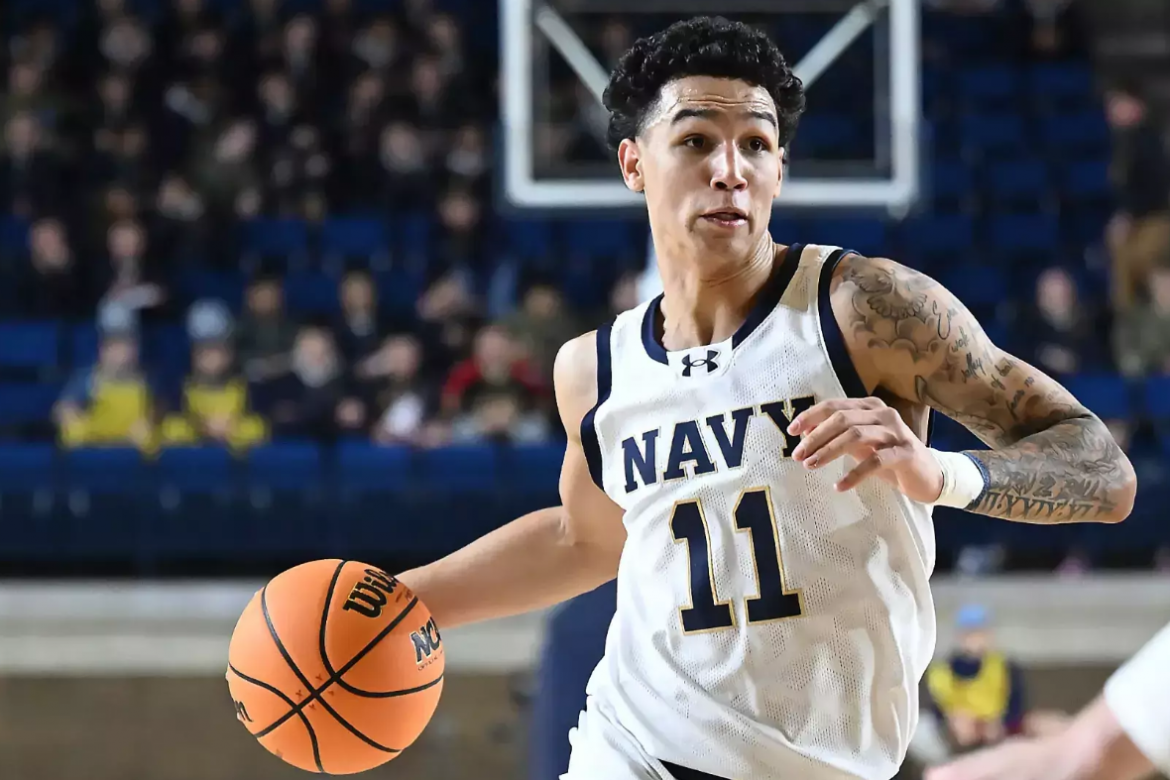
The Patriot League schedule gives us an interesting matchup when Navy travels to Bucknell. On the surface, this looks like a simple conference game between two familiar opponents. Dig a little deeper, and it becomes clear why this matchup deserves attention. Styles make fights in college basketball, and this game sets up as a controlled, methodical contest where every possession matters. If you enjoy games decided by execution, defense, and patience, this one should hold your interest from start to finish.
This breakdown focuses heavily on how the game should play out from a scoring perspective, with special attention on why a lower-scoring outcome makes the most sense based on data, trends, and matchup dynamics.
Game Overview and Context
Navy enters this game as one of the more consistent teams in the Patriot League. The Midshipmen have built their success on structure, discipline, and defensive reliability. They rarely beat themselves and are comfortable playing close games that stay within a narrow scoring range.
Bucknell, meanwhile, has struggled to find consistency this season. The Bison have shown flashes on offense but often fall back into inefficient stretches that stall momentum. At home, they tend to play more controlled basketball, which further slows the pace against a team like Navy.
Conference familiarity matters here. These teams know each other well, and games like this often become chess matches rather than track meets.
Offensive and Defensive Efficiency Breakdown
Navy’s offense is efficient without being explosive. The Midshipmen prioritize shot selection, ball movement, and limiting turnovers. Their effective field goal percentage sits in the middle-to-upper range of the conference, but their true value comes from avoiding wasted possessions.
Defensively, Navy is one of the stronger units in the Patriot League. They contest shots, close out on shooters, and force opponents into late-clock decisions. Opponents rarely get easy transition points against them.
Bucknell’s offense has struggled with efficiency all season. Their effective field goal percentage lags behind conference leaders, and turnovers have been an ongoing issue, especially against disciplined defenses. On the defensive end, Bucknell does not pressure the ball heavily, which often leads to longer possessions and fewer overall shots in a game.
When you combine Navy’s defensive discipline with Bucknell’s slower offensive execution, the foundation for a low total score is already in place.
Recent Performance and Scoring Trends
Looking at recent games, Navy continues to show a clear pattern. Wins and losses alike tend to stay within a controlled scoring window. Their defense travels well, and their offense rarely pushes the pace unnecessarily.
In their last several games, Navy has consistently held opponents below their season scoring averages. Even when Navy scores efficiently, they do so without increasing tempo.
Bucknell’s recent results show uneven scoring outputs. When they face teams that pressure the ball or disrupt passing lanes, their scoring drops noticeably. Against structured defenses similar to Navy’s, Bucknell often struggles to reach the mid-60s.
These recent trends strongly support a game that stays below higher scoring expectations.
Key Players and Their Impact on Pace
Navy’s roster does not rely on one dominant scorer. Instead, they spread usage across several players who are comfortable operating within the system. This balance keeps the offense steady but rarely leads to sudden scoring runs.
Bucknell has a few primary scoring options, but when those players are forced into contested shots or rushed decisions, efficiency drops quickly. Navy’s defensive approach is designed to limit primary options and make role players beat them.
Neither team has a true fast-break identity. Most possessions begin in the half court, and both teams are willing to use the shot clock. That alone reduces total scoring opportunities.
Coaching and Game Management
Navy’s coaching staff emphasizes control and preparation. In close conference games, Navy often shortens rotations and leans into defense-first lineups. Late-game situations are handled conservatively, with an emphasis on protecting possessions rather than chasing points.
Bucknell’s coaching approach at home tends to mirror this. Rather than pushing tempo against stronger teams, Bucknell usually focuses on limiting mistakes and staying competitive deep into the second half.
When both coaching staffs prioritize control, pace almost always slows.
Home Court Influence at Bucknell
Bucknell’s home games historically trend slightly lower scoring compared to their road games. The environment encourages half-court basketball, and visiting teams often take time to settle in offensively.
Navy has also shown comfort playing slower games on the road. They are not affected by crowd noise in the same way younger or less experienced teams might be.
Home court does not project to increase scoring here. If anything, it reinforces a slower tempo.
Tempo and Possession Count
Tempo is one of the most important factors when projecting total scores. Neither of these teams ranks high in pace within the conference. Navy is especially deliberate, ranking among the slower teams in adjusted tempo metrics.
Bucknell does not push pace either, particularly against teams that defend well. Expect long possessions, fewer transition opportunities, and limited second-chance points.
A lower possession count makes it difficult for the game to reach higher totals, even with decent shooting nights.
Three-Point Shooting Profile
Navy shoots the three selectively. They focus on quality attempts rather than volume. This approach keeps scoring efficient but not explosive.
Bucknell’s three-point shooting has been inconsistent. When they struggle from the perimeter, their offense often stalls entirely. Navy’s perimeter defense further limits clean looks from outside.
Without a high volume of successful three-point shots, totals tend to stay suppressed.
Strength of Schedule and Common Opponents
Navy has performed well against similar conference opponents, particularly those that rely on half-court offense. Bucknell has struggled in those same matchups.
Against common opponents, games involving Navy have consistently finished lower than league averages. This is a strong indicator that Navy controls the style of play regardless of opponent.
Why I’m Confident in the Under 134.5 Total Scores Prediction
Everything about this matchup points toward a lower-scoring game. Navy’s defensive efficiency, Bucknell’s offensive inconsistency, and both teams’ slow tempos combine into a clear statistical profile.
Projection models consistently land in the low 130s or high 120s for total points. Possession count is expected to be limited, and neither team profiles as explosive from three-point range.
When both teams are comfortable grinding through possessions, totals like 134.5 become difficult to reach.
Prediction Model Score Projections
Several respected models align closely on this matchup:
-
KenPom: Navy 69, Bucknell 62
-
Sagarin Ratings: Navy 70, Bucknell 61
-
Torvik: Navy 68, Bucknell 63
-
Haslametrics: Navy 71, Bucknell 62
-
Bart Torvik: Navy 69, Bucknell 60
Each projection lands well below the mid-130s, reinforcing the expectation of a controlled, defense-oriented game.
Final Thoughts and What to Expect
This Navy vs Bucknell matchup should reward patience. Expect long possessions, disciplined defense, and limited scoring runs. Navy’s structure and Bucknell’s tendency to slow games down at home create a clear path toward a lower total score.
Fans should look forward to a competitive conference game defined by execution rather than speed. If the game follows its most likely script, every basket will feel earned, and the final score should reflect the methodical nature of both teams.
This is the type of matchup where understanding pace, efficiency, and coaching philosophy matters more than raw scoring averages
My pick: under 134.5 total scores LOSE