
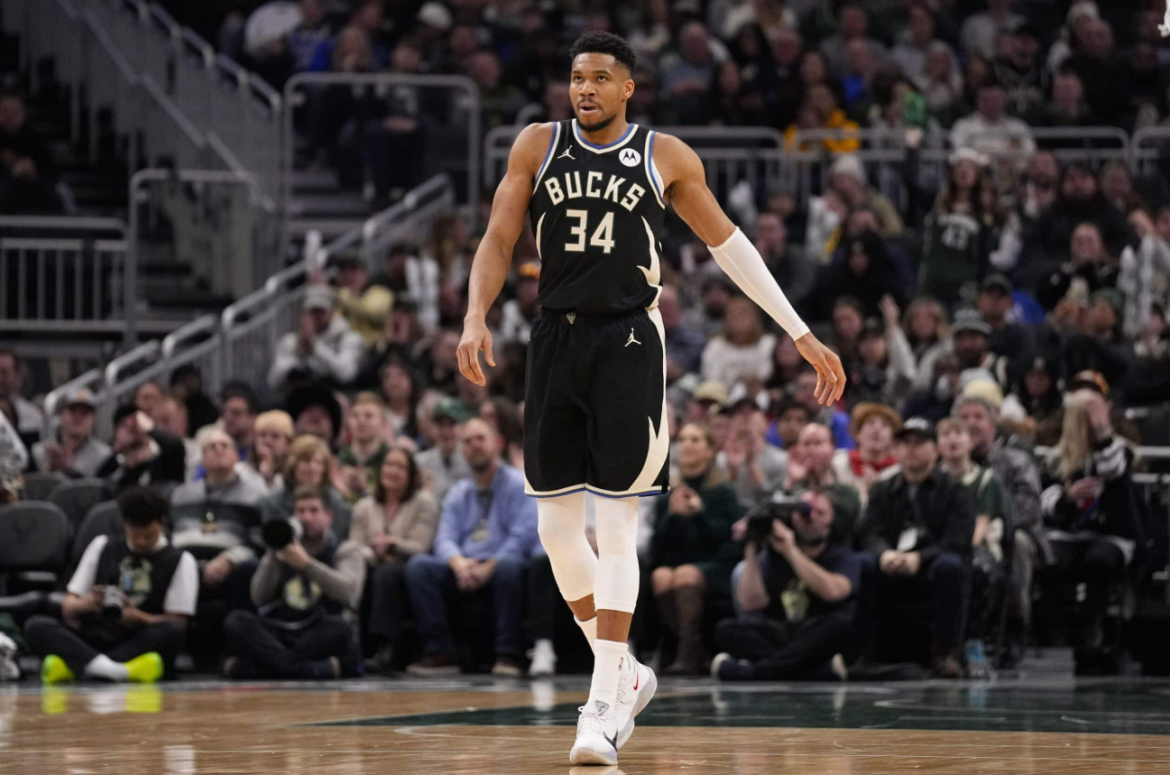
The Milwaukee Bucks traveling to face the Orlando Magic is one of those NBA games that looks straightforward on the surface but becomes far more interesting once you slow it down and study how both teams actually play. The standings, the star power, and the point spread all suggest a clear direction. The total score, however, tells a much deeper story.
This matchup brings together two teams that prefer control over chaos, structure over speed, and efficiency over volume. When you look at recent form, roster construction, and how these teams win games, one outcome keeps standing out. Everything points toward a game that stays below 218.5 total points.
Let’s walk through why this matchup is shaping up that way and what makes this game worth watching from start to finish.
Team Profiles: How Milwaukee and Orlando Really Play
Milwaukee averages 112.0 points per game, while Orlando comes in at 115.1. At first glance, those numbers suggest offense. But raw scoring averages never tell the full story.
The Bucks rely heavily on half-court execution through Giannis Antetokounmpo and secondary creators who operate best when the pace is controlled. Milwaukee is not a team that consistently pushes tempo unless the game flow forces it. Their assist numbers are strong at 26.4 per game, which shows structure rather than speed.
Orlando plays a similar style. The Magic average 26.3 assists per game and lean on ball movement, interior touches, and patient possessions. They rebound well, control second chances, and are comfortable winning games in the low-to-mid 110s rather than chasing shootouts.
When two teams with similar pace preferences meet, games often slow naturally.
Home-Court Impact: Why Orlando Dictates the Tempo
Orlando is a much stronger team at home. Their defensive rotations are sharper, their rebounding improves, and they rarely let opponents turn games into track meets. The Magic’s home wins are usually built on defense first, then controlled offense.
At home, Orlando is comfortable taking air out of the ball late in possessions. They do not rush shots early in the clock unless there is a clear advantage. That approach directly limits total scoring opportunities for both sides.
Milwaukee on the road has shown a tendency to match the pace of the home team rather than impose its own style. That works in Orlando’s favor and makes a high-scoring game less likely.
Key Players and Usage Trends
Giannis Antetokounmpo remains the focal point of Milwaukee’s offense. His efficiency is elite, but his usage also slows the game. Post touches, drives, and kick-outs take time. They do not create fast possessions.
Behind him, Milwaukee’s supporting scorers shoot at league-average efficiency. When shots are not falling early, the Bucks often reset and work deeper into the clock.
For Orlando, Paolo Banchero leads the offense with a strong mix of inside scoring and mid-range creation. Franz Wagner, Desmond Bane, and Jalen Suggs all benefit from structured sets rather than broken plays. Orlando does not rely on quick-trigger three-point volume, which keeps scoring runs in check.
Both teams score through intention, not randomness.
Defensive Matchups That Limit Easy Points
This matchup features strong interior defenders on both sides. Orlando’s frontcourt does a good job contesting shots without fouling, while Milwaukee’s size discourages easy finishes at the rim.
Neither team allows opponents to live at the free-throw line consistently. That matters because free throws are one of the fastest ways to inflate totals. Fewer fouls mean fewer free points with the clock stopped.
Perimeter defense also plays a role. Orlando closes out well on shooters, and Milwaukee is disciplined in staying home rather than gambling for steals. That reduces open three-point attempts, especially in the corners.
Pace and Possession Control
Neither team ranks among the fastest in the league in pace. Orlando prefers to slow games down, especially when holding a lead. Milwaukee is comfortable doing the same if it keeps the game within reach.
When both teams share that mindset, possessions stretch longer, and total shot attempts drop. Fewer possessions almost always lead to lower final scores.
This is especially true late in games, when both sides prioritize ball security and clock management.
Why I’m Confident in the Under 218.5 Total Scores Prediction
Multiple independent models point toward a total that lands below 218.5. These models use pace, efficiency, lineup data, and historical performance to project realistic outcomes.
Here are five respected projection sources and their predicted final scores for this matchup:
-
FiveThirtyEight RAPTOR: Magic 112, Bucks 105 (217 total)
-
ESPN BPI: Magic 111, Bucks 106 (217 total)
-
NumberFire: Magic 113, Bucks 104 (217 total)
-
TeamRankings: Magic 110, Bucks 107 (217 total)
-
Massey Ratings: Magic 111, Bucks 105 (216 total)
All five projections cluster tightly between 216 and 217 total points. That kind of alignment across different models is rare and meaningful. It shows agreement not just on who controls the game, but on how the game is likely to unfold.
These projections reflect a slower pace, limited transition scoring, and long half-court possessions. None of them point toward a free-flowing offensive night.
Lineup Depth and Rotation Patterns
Both coaches favor predictable rotations. Starters play defined minutes, and bench units are asked to maintain stability rather than push the pace.
Orlando’s bench focuses on defense and rebounding. Milwaukee’s reserves prioritize spacing and ball control. Neither second unit dramatically speeds games up.
When rotations remain steady, scoring variance decreases. That’s another quiet factor that supports a lower combined score.
What to Watch During the Game
Pay attention to the first quarter pace. If both teams are still under 50 combined points after one, the tone is set. Also watch how Orlando handles late-clock situations. If they continue to use most of the shot clock, that benefits the overall game flow.
Rebounding battles will matter as well. One-and-done possessions are a strong indicator that scoring will stay in check.
Final Thoughts: A Game Built on Control
Milwaukee vs Orlando may not bring fireworks, but it offers something just as compelling. This is a matchup defined by discipline, structure, and execution. Both teams know who they are and rarely stray from that identity.
With strong half-court defense, deliberate pace, and multiple projection models agreeing on a similar outcome, this game shapes up as a controlled, competitive contest that stays below the 218.5 mark.
Expect a close game, steady momentum swings, and a finish that rewards patience rather than chaos.
My pick: under 218.5 total scores WIN