

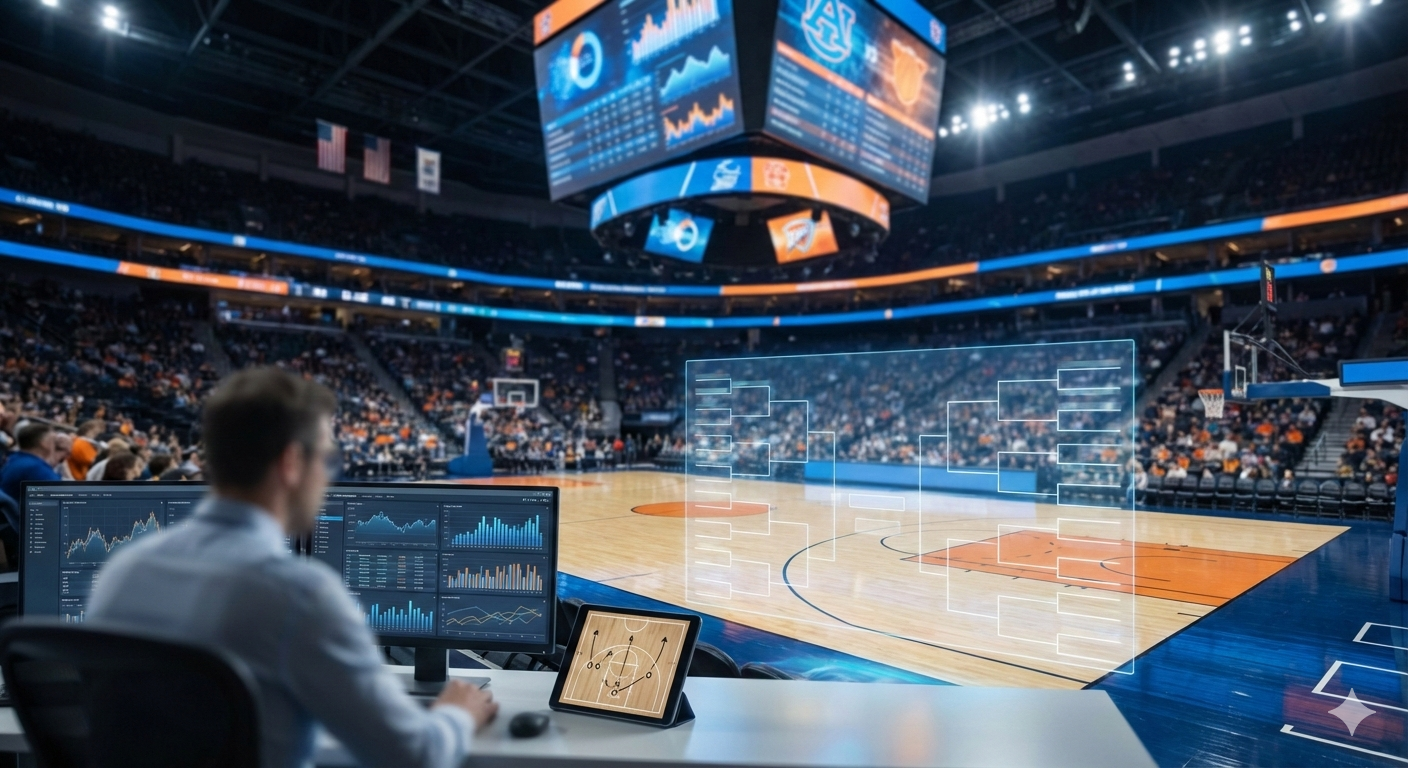
Men’s college basketball games today move fast. Tip times stack on top of each other, ranked teams hit the road, bubble programs tighten rotations, and momentum can flip in a five-minute stretch. Keeping up with all of it is not about watching everything. It is about knowing where to look, when to lock in, and how to read what is actually happening on the floor instead of reacting to noise.
This guide is built to help make sense of the full daily slate. It focuses on pace, matchups, availability, late-game dynamics, and real-time signals that matter once the ball is tipped. Tools like ATSwins help organize that information into something usable, tying pregame expectations to live tracking and postgame review. Instead of chasing every game, the goal is to prioritize the right ones, understand why they matter, and follow them with context. When done right, watching men’s college basketball games today becomes sharper, calmer, and far more intentional.
Table Of Contents
- Smart Slate Playbook For Men’s College Basketball Today
- Today’s Slate Overview
- TV And Streaming Details
- Matchup Context And Analytics
- Player Availability And Edges
- Real-Time Tracking And What Matters Late
- Step-By-Step: Building Your Slate Card In 15 Minutes
- Tools And Templates You Can Copy
- How To Prioritize The Board Like A Pro
- What To Look For In Ranked Vs Unranked Tilts
- Bubble Stakes Checklist
- Pace Mismatches And Viewing Order
- Using ATSwins To Sharpen Decisions
- Common Pitfalls And How To Avoid Them
- Nightly Wrap Mechanics
- Reference Tabs To Keep Open All Day
- Quick Reminders For Mens College Basketball Games Today
- Conclusion
- Frequently Asked Questions (FAQs)
Smart Slate Playbook For Men’s College Basketball Today
Men's college basketball games today are not meant to be consumed all at once, and trying to do so usually leads to missed context and rushed decisions. The slate naturally breaks into windows, and each window behaves a little differently. Early games often reveal travel fatigue, flat shooting legs, or slow starts from road teams adjusting to new environments. Prime-time matchups usually bring the highest intensity, tighter rotations, and more predictable execution. Late games tend to exaggerate depth, fouling tendencies, and conditioning as legs wear down and benches get tested.
Recognizing these patterns early in the day creates a mental map of how the slate should be approached. A smart slate playbook starts with intent rather than reaction. Instead of chasing rankings, records, or hype, the focus stays on how teams prefer to play, how they try to control pace, and whether the circumstances of that specific game allow them to do so. Teams rarely reinvent themselves in the middle of a season, but changes in environment, rest, and personnel can shift how effective their usual style becomes.
When the slate is approached with structure, each game has a role instead of competing for attention. Some games are worth full focus, others only matter late, and a few are best ignored unless something unusual develops. That clarity keeps decision-making steady throughout the day.
Today’s Slate Overview
The first step with mens college basketball games today is framing the day before the full board fully settles. Lines move, injury news filters in slowly, and tip times can shift as broadcasts overlap. Early on, the goal is not to have every answer but to build a clean outline. Dividing the slate into early, prime-time, and late windows creates order and prevents information overload.
Early games tend to reward preparation more than instinct. Road favorites in these slots often start slower, especially when travel or time zone changes are involved. Shooting legs can be inconsistent, which sometimes suppresses pace or leads to sloppy possessions. Prime-time games usually offer the clearest look at team identity. Coaches trust their starters more, rotations shorten, and execution improves on both ends. These games are often where matchup edges show up most clearly. Late games magnify fatigue and depth. Bench minutes matter more, foul trouble compounds, and pace can swing quickly depending on which team controls the final stretch.
Within each window, ranked versus unranked matchups deserve extra attention, especially when the ranked team is playing on the road. Conference games with standings implications add another layer of pressure that often shows up late in close games. Bubble teams, in particular, tend to slow things down, protect the ball, and lean heavily into free throws as the season progresses. Recognizing where that pressure exists helps explain why some games feel tighter than expected.
TV And Streaming Details
Knowing how to watch mens college basketball games today should be part of the preparation, not something figured out at tip. Tip times and channels change more often than most people expect, especially when earlier games run long or broadcasts overlap. Verifying coverage early in the day and again closer to game time avoids frustration and missed stretches of action.
The most efficient approach is to confirm official tip times first, then cross-check closer to the start for any delays or coverage adjustments. Prime-time windows are usually stable, while early and late games are more likely to shift. Logging into streaming platforms ahead of time also matters, since authentication issues have a habit of popping up right as the ball goes up.
Setting alerts for close games is one of the easiest ways to stay engaged without juggling too many screens. Instead of trying to watch everything, alerts allow quick pivots when a game tightens late or momentum swings. This keeps attention focused on meaningful moments rather than background noise.
Matchup Context And Analytics
Understanding mens college basketball games today requires context beyond surface-level stats. Raw scoring averages, win totals, and rankings rarely explain how a game will actually play out. Pace, efficiency, shot selection, and rebounding tendencies shape outcomes far more consistently than headline numbers.
Tempo sets the foundation. When a fast team faces a slow one, the opening stretch usually reveals who is dictating terms. If the faster team gets early shots without resistance, possessions stack up quickly. If the slower team forces long half-court possessions, scoring compresses and margins tighten. Efficiency then layers on top of pace. A high-efficiency offense can still separate even in a slower game, while two inefficient teams can grind regardless of how many possessions are available.
Shot profiles add another layer of clarity. Teams built around rim pressure and free throws tend to be more stable across different environments. Three-heavy teams introduce variance, especially on the road or early in the day when shooting legs are inconsistent. Rebounding closes the loop. Extra possessions created through offensive boards often stabilize favorites and punish teams with thin or foul-prone frontcourts. When pace, efficiency, and rebounding all lean in the same direction, the matchup usually tells a clear story.
Player Availability and Edges
No factor shifts men's college basketball games today more quietly than availability. A single missing starter can change pace, rebounding, and late-game decision-making without immediately showing up in the score. The key is not just knowing who is out but understanding how that absence changes roles.
When a primary ball-handler is unavailable or limited, turnover rates usually rise and pace often slows. Teams simplify sets and rely more on isolation or post entries. When a starting big is missing, interior defense and defensive rebounding typically suffer, which increases free throws and second-chance points. Minute limits can be just as impactful. Players returning from injury may start but lose effectiveness late, especially in back-to-back situations.
Monitoring availability up to tip time and reassessing shortly before the game begins is essential. Late scratches or unexpected starts can flip matchups entirely, especially in conference play, where teams know each other well.
Real-time Tracking and What Matters Late
Once men's college basketball games today tip off, the focus shifts from preparation to observation. The scoreboard alone rarely tells the truth. Possession counts, foul distribution, and shot quality provide a clearer picture of how sustainable a lead really is.
Tracking pace relative to expectations helps identify when a game is deviating from script. Offensive rebounding trends reveal which team is winning the physical battle. Foul counts, especially on key players, often predict second-half swings before they happen. Late in games, free-throw reliability and coaching tendencies take center stage. Some teams protect leads aggressively, while others continue to push pace and create volatility.
Recognizing these patterns early allows smoother transitions between games and a sharper focus on endings that matter most.
Step-by-Step: Building Your Slate Card in 15 Minutes
Preparing for men's college basketball games today does not require hours of research. A focused fifteen-minute routine can cover everything that matters. Start by listing the day’s games and grouping them by window. Identify which games carry ranking, rivalry, or bubble implications. Add quick notes on pace expectations and any known availability issues.
Next, narrow the list. Choose one or two anchor games per window and mark a few others as flex options. These are games worth checking in on if they tighten late. Finally, note any conditions that would change priorities, such as foul trouble, unexpected tempo, or rotation surprises.
This slate card becomes a live document throughout the night, guiding attention and keeping decisions consistent.
Tools and Templates You Can Copy
Consistency is what separates chaos from clarity when following men's college basketball games today. Simple templates help capture the same information every night without overthinking it. A basic slate card with game time, window, pace notes, availability status, and late-game reminders is often enough.
A matchup sheet that tracks shot tendencies, rebounding strength, and turnover pressure adds depth without overload. A short postgame log that notes what actually decided each result builds pattern recognition over time. These tools do not need to be complicated. They need to be repeatable.
How to Prioritize the Board Like a Pro
Prioritization is the difference between watching games and understanding them. Men's college basketball games today reward focus. The most efficient approach is anchoring one game per window and allowing everything else to rotate around it.
During early windows, attention should stay on how teams start and whether pace aligns with expectations. Prime-time deserves the most focus, as these games often deliver the highest quality basketball and the most meaningful late possessions. Late windows are about stamina and discipline. Watching how teams execute when tired reveals a lot about their ceiling.
Switching games only when triggers fire keeps attention purposeful instead of reactive.
What to Look for in Ranked vs Unranked Tilts
Ranked teams rarely get a free pass on the road. Men's college basketball games today frequently expose ranked programs that rely too heavily on shooting or struggle against physical defenses. Early whistles, crowd energy, and unfamiliar sightlines all matter.
Unranked teams that push pace successfully early tend to stay competitive longer. Those who get stuck in the half-court usually fade. Neutral-site environments within conference play can blur these lines, making execution and coaching adjustments even more important.
Bubble Stakes Checklist
Bubble games carry unique tension. Men's college basketball games today involving bubble teams often slow down, especially late. Coaches shorten rotations, value possessions, and emphasize free throws. Defensive rebounding and turnover avoidance become priorities.
Recognizing bubble behavior helps explain why some games tighten unexpectedly or why favorites play more conservatively than usual. These patterns intensify as the season moves closer to March.
Pace Mismatches and Viewing Order
Pace mismatches are one of the clearest signals on the board. When a fast team imposes tempo early, runs come quickly. When a slow team succeeds in grinding, possessions shrink, and every mistake is magnified.
Identifying which games are likely to swing late helps determine viewing order. Tight spreads with high foul rates often deliver dramatic endings. Defensive rock fights may stay close despite low scoring, making every possession meaningful.
Using ATSwins to Sharpen Decisions
ATSWins works best when it is treated as a framework rather than a shortcut. The platform pulls together tempo projections, efficiency adjustments, and player availability so expectations are grounded before the first tip. That matters because most mistakes happen when people rely on gut feel instead of context. Having a baseline going in helps separate what is actually surprising from what only feels surprising in the moment.
During games, ATSwins becomes even more valuable. Pace tracking shows whether a game is playing faster or slower than projected, which often explains score swings before the broadcast does. Foul indicators and possession data help identify when a run is sustainable versus when it is built on variance. Instead of reacting to every bucket, the focus stays on whether the underlying math has changed.
After the games end, ATSwins closes the loop. Profit tracking and lever analysis highlight which edges keep showing up and which ones only work in isolated spots. Over time, this turns daily slates into usable patterns. Instead of remembering bad beats or lucky wins, the data shows what actually worked. That feedback loop is what transforms following men’s college basketball from a nightly grind into a long-term edge.
Common Pitfalls And How To Avoid Them
One of the easiest ways to lose perspective with men’s college basketball games today is by overreacting to short bursts. A team hitting four threes in two minutes can make a game feel out of control, even if the shot quality is average and the pace is unchanged. The same goes for quick foul trouble or a sloppy turnover stretch. Those moments matter, but only if they change how the game is being played overall.
Another common mistake is ignoring travel, rest, and emotional spots. Teams coming off overtime games, long road trips, or emotional rivalry wins rarely perform at their peak in the next outing. Legs get heavy, rotations tighten, and efficiency drops, especially early. When those factors are overlooked, results feel random even though the warning signs were there.
The way around these pitfalls is sticking to a process. Tracking pace, rebounding, fouls, and shot quality keep attention on signals that last longer than a single run. Discipline does not mean ignoring momentum. It means understanding whether momentum is backed by something real. That mindset keeps reactions measured and decisions consistent.
Nightly Wrap Mechanics
When the final buzzer sounds, the work is not finished. The postgame review is where future edges are built. Looking back at what actually decided each game helps strip away the noise. Did the winner dominate the glass, live at the free-throw line, or simply ride unsustainable shooting? Those answers matter far more than the final score.
Tracking minute loads is especially important late in the season. Starters logging heavy minutes often show it in the next game, especially on short rest. Injuries and late-game knocks also deserve attention, even if players return. Conference implications matter too. A team that just moved into first place may approach the next game differently than one fighting to stay in the race.
A quick, consistent wrap builds intuition over time. It turns each night into a setup for the next slate instead of a standalone event. The goal is not to write a novel. It is to capture what mattered while it is still fresh.
Reference Tabs To Keep Open All Day
Having the right tabs open makes following men’s college basketball games today far smoother. A reliable official schedule keeps tip times and windows organized. A live scoreboard provides real-time context, alerts, and box scores without clutter. Availability updates fill in the gaps that numbers alone cannot explain.
ATSWins acts as the hub that connects everything. Projections, live indicators, and postgame tracking all live in one place, which reduces the need to bounce between sources. Fewer tabs mean fewer distractions and faster decisions. The setup does not need to be complicated. It just needs to be consistent.
When the same reference points are used every day, patterns become easier to spot. That consistency is what keeps preparation efficient and prevents missed details.
Quick Reminders For Men’s College Basketball Games Today
Before tip, the basics matter most. Confirm coverage, double-check availability, and know which games actually deserve attention. A few minutes of preparation saves hours of frustration later.
During games, focus narrows. Pace, fouls, and rebounding tell the real story. The score will catch up eventually. Jumping between games should be intentional, not impulsive, and late-game situations deserve priority over early noise.
After games, log what mattered and move on. Do not chase outcomes or dwell on what could have been. Simplicity and repetition build clarity, and clarity beats chaos every time.
Conclusion
Men’s college basketball games today reward structure more than speed. By organizing the slate, understanding matchups, tracking live signals, and reviewing results with intention, the entire experience becomes calmer and more controlled. Preparation removes guesswork, and perspective keeps emotions in check.
ATSWins reinforces that process by adding data-driven context, real-time feedback, and long-term accountability. The payoff is not watching more games or reacting faster. It is watching the right games, understanding why they matter, and getting better with every slate.
Frequently Asked Questions (FAQs)
What does following men's college basketball games today actually require?
It requires knowing who is playing, when they tip, and why each matchup matters. Structure matters more than volume. Sorting games into windows and focusing on pace, availability, and late-game dynamics covers most of what drives outcomes.
How can men's college basketball games today be watched efficiently without missing key moments?
Alerts, flexible viewing, and prioritization make the difference. Instead of trying to watch everything, it is more effective to anchor one game per window and pivot when others tighten late.
Why do some men's college basketball games today feel unpredictable?
Variance, travel, and availability create volatility. Shooting swings, foul trouble, and depth issues often decide outcomes more than raw talent, especially in conference play.
How does ATSwins improve decision-making for men's college basketball games today?
ATSWins organizes projections, highlights leverage points, tracks results, and identifies which factors consistently matter. It turns daily chaos into a repeatable process.
What should be tracked live during men's college basketball games today?
Pace versus expectation, offensive rebounding, foul counts on key players, and shot quality provide the clearest signals. These indicators reveal sustainability long before the final score does.
Related Posts
AI For Sports Prediction - Bet Smarter and Win More
AI Football Betting Tools - How They Make Winning Easier
Bet Like a Pro in 2025 with Sports AI Prediction Tools
Sources
The Game Changer: How AI Is Transforming The World Of Sports Gambling
AI and the Bookie: How Artificial Intelligence is Helping Transform Sports Betting
How to Use AI for Sports Betting
Keywords:
MLB AI predictions atswins
AI MLB predictions atswins
NBA AI predictions atswins
basketball ai prediction atswins
NFL ai prediction atswins