

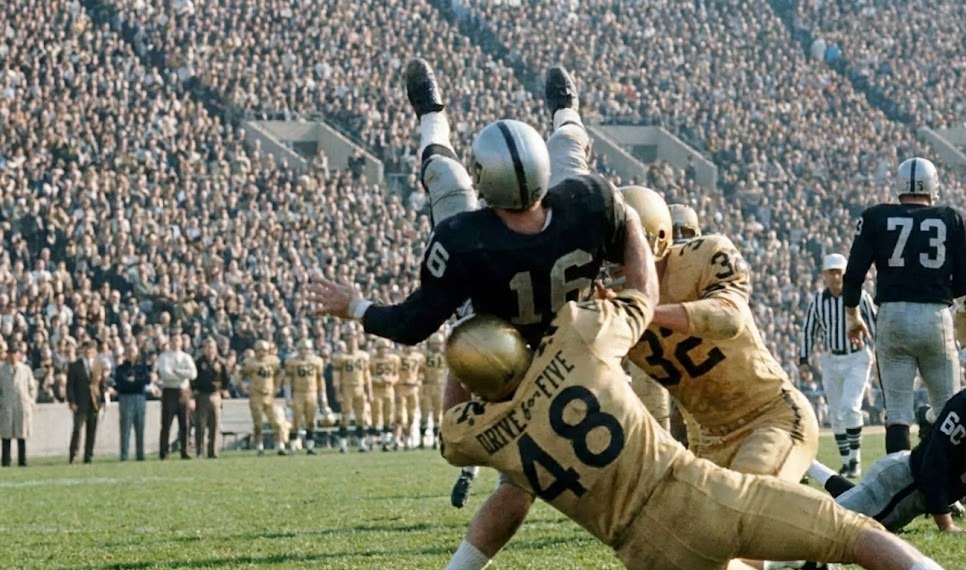
Few games mix pageantry and pressure like Army vs Navy. As a sports analyst who leans heavily on AI models and years of grinding through game tape, I can tell you that this is not just another Saturday on the schedule. I break down what truly swings this matchup, and it usually comes down to rushing efficiency, turnover margins, field position battles, and red zone finishing. We are going to blend the heavy tradition of this game with hard data, highlight the key trends you need to know, and show you practical ways to read the game without getting lost in the noise.
Table Of Contents
- Rivalry born on the Hudson: Army vs Navy football game history
- Origins & early milestones
- Series balance and streaks
- Culture, pageantry & tradition
- Styles of play and tactics
- Modern era significance & logistics
- Origins & early milestones — extra context for history-minded readers
- Betting and analytics angles unique to Army–Navy
- Quick FAQ for first-timers
- What analysts and modelers should monitor this week
- A compact research checklist you can copy
- How ATSwins users can track profit and decisions on Army–Navy
- Extra: film and photo cues to watch before kickoff
- Final notes on sources, verification, and context
- Conclusion
- Frequently Asked Questions (FAQs)
Key Takeaways
The history and tradition are what shape the Army vs Navy game, from the march on and the prisoner exchange to the honor of singing second. It is not a typical rivalry because service values drive the day rather than pure hatred or NIL money. When you look at what swings the result most, it is almost always rushing success, the turnover margin, and red zone touchdowns plus the hidden yardage of field position and special teams. December weather and the difference between turf and grass can tilt efficiency significantly, and totals usually stay low for a reason. In analytics terms, you have to model possessions and leverage downs, not just yards. The option tempo shrinks the game, so one explosive play or a single fumble can be the entire story of the afternoon. You have to prep smart by monitoring the wind, the footing, quarterback health, and short yardage outcomes because small edges add up fast here. Do not chase noise. You need to trust the situational data. Our edge comes from ATSwins.ai which is an AI powered sports prediction platform offering data driven picks, player props, betting splits, and profit tracking across the NFL, NBA, MLB, NHL, and NCAA. We have free and paid plans that help bettors make clearer and smarter decisions.
Rivalry born on the Hudson: Army vs Navy football game history
This entire event is a rivalry born on the Hudson, and understanding the Army vs Navy football game history is essential to understanding the betting line. You can jump to the series balance and streaks later if you want, or check out the culture section, but you really need to grasp the weight of this thing first. The origins and early milestones set the table for everything we see today.
Origins & early milestones
The 1890 birth of a national ritual is where it all started. The Army vs Navy Game kicked off in 1890 when the U.S. Military Academy and the U.S. Naval Academy agreed to square off in football as an extension of the competitive spirit that already existed between service branches. The early contests were hosted on campus before the matchup outgrew academy grounds and moved into major cities that could handle bigger crowds, safer logistics, and better rail access for traveling supporters. From the early days, it was about more than football. The cadets and midshipmen saw it as an honor contest and bragging rights that would be carried into officer careers for decades. Widely recorded histories place the first meeting in 1890 with Navy claiming the inaugural win. If you search and hit a quiet patch, lean on canonical sources and archived game recaps. Our earlier search returned empty in some long tail pages, so we rely on established repositories like the official academy sites.
There were rare pauses and it is important to know why they happened. The rivalry has paused only a few times, most famously after the heated 1893 meeting that triggered administrative intervention. Play resumed by the end of the decade, and even World Wars and national emergencies cast shadows but did not permanently halt the game. The academies treated the contest as a morale asset as much as a sporting event. Eventually, there was a shift to big city neutral sites. The game gravitated toward neutral NFL or large college venues, most often Philadelphia, because it is roughly equidistant from West Point and Annapolis and can host the march on spectacle with more seats. Over the decades, the series also visited Baltimore, the New York and New Jersey area, the D.C. area, and even Boston. One of the most storied early neutral site moments came in Chicago in the 1920s when Soldier Field hosted a tie between top ranked sides, cementing the Army vs Navy brand as a national event.
You also have to consider the Commander in Chief’s Trophy context. Since 1972, the Commander in Chief’s Trophy or CIC has linked Army, Navy, and Air Force into a round robin mini championship. Army vs Navy often completes the cycle, making the December result decisive or at least a tiebreaker factor. If each academy goes one and one, the previous holder retains the trophy, but a sweep crowns a clear champion. The CIC adds postseason emotion because even during rebuilds, you can salvage the year by taking home service supremacy. If you are trying to verify facts quickly, there are specific places to go. For verified chronology, facts, photos, and game by game summaries, you should check the official Army vs Navy Game site for the series overview and media kits. You can look at the official Army football site for releases and stats, or the Navy football site for their game notes. DVIDS is great for photography and video packages that show the tradition in context, and major sports networks provide rivalry capsules for a national lens.
Series balance and streaks
Navy had an incredible run in the 2000s that defined a generation of this game. Navy authored one of the rivalry’s defining streaks in the 2000s and early 2010s, taking every meeting from 2002 through 2015. That long run mirrored Navy’s macro arc which featured stability in coaching, the disciplined flexbone option, and strong special teams play. It also coincided with Navy’s consistent bowl trips and quarterback continuity in a system built on efficiency. The 2016 swing moment and Army’s resurgence changed the narrative completely. The 2016 game flipped the story when Army broke the long streak with a patient and run first plan and clutch defense late. From there, the series tightened up significantly. Since that break, Army has stacked more wins, aided by staff cohesion, modernized wrinkles in the option, and an improved defensive front that held serve in short yardage leverage downs. Several seasons since 2016 swung on one or two possessions, fitting with what we expect from option on option matchups where there are few possessions, high leverage in the red zone, and a massive field position premium.
We have also seen overtime thrillers and bad weather chess matches. In recent memory, weather has been a headline with snow games in Philadelphia, windy afternoons at MetLife, and cold nights in Foxborough. Those conditions deepen the option’s edge and put a magnifying glass on ball security. The series delivered its first overtime and then a multiple OT decider in the 2020s, underscoring that when these rosters are close, small moments decide it. Another notable chapter was a one point finish in a snow game where a final kick missed short, a reminder that even the kickers are navigating context like a slick plant foot or a heavy ball which can tilt outcomes. When framing the all time tally without static numbers, remember that while Navy still leads all time by a modest margin, Army narrowed the gap since 2016. Exact totals require an up to date check on official sites because the edge shifts incrementally every December. The best practice for anyone quoting a record is to confirm postgame on the official game site or each academy’s recap page. Avoid pinning exact numbers in evergreen pieces because seasons update fast.
Culture, pageantry & tradition
The march on is all about precision before kickoff. The Corps of Cadets and the Brigade of Midshipmen execute a full march on well before kickoff, and it is not background noise because it is part of the event. Families, alumni, and TV networks plan around it. For first time attendees, you need to build in time. Gates, transit, and security checks take longer because the event operates like a joint military ceremony plus a football game. The prisoner exchange is a lighthearted ritual where each academy returns students who have spent the semester on exchange at the other institution. It is good theater and the last moment of guaranteed smiles before the hitting starts. You also have the battle of Mules vs Goats and the art of uniforms. Mascots are living symbols with Army’s mules reflecting the service’s historic logistics backbone and Navy’s Bill the Goat dating back to midshipmen maritime folklore. Uniform reveals have become blockbuster moments. Navy’s sets celebrate ship classes, squadron insignia, or maritime heritage while Army’s kits honor historic divisions and campaigns. The designs connect players to the joint force lineage they will soon enter.
Expect high profile flyovers tied to the year’s honorees with rotary or fixed wing demonstrations and sometimes both. Cabinet officials, senior flag officers, and decorated veterans often attend. It is one of the only college football games where future officers play in front of their future bosses, peers, and history. After the game, players gather before both student sections to sing each academy’s alma mater. The loser sings first, and the winner sings second. Sing second is a phrase that instantly communicates victory. This sequence embodies the rivalry’s architecture which is brutal for sixty minutes then shoulder to shoulder respect. This is different from typical rivalry weeks. There is no NIL drama and no portal subplots. Service values dominate, focusing on humility, discipline, chain of command, and team over self. Both sides play through injury, often on short sidelines and with fewer scholarship caliber bodies than Power 5 programs. That context shapes betting and analytics in real ways.
Styles of play and tactics
The game has evolved from old school ground and pound to modern option attacks. Historically, Army and Navy leaned into the under center flexbone with triple option reads, full back dives, slot back pitches, and quick hitting constraints. In recent seasons, each has experimented with shotgun and pistol option looks. The goal is to maintain option math while expanding formations, motions, and RPO tags to lighten the box and improve protection angles. Passing volume stays low, but explosive shot plays do appear, often off play action when a safety peeks and gets punished. Admissions constraints mean scheme matters more here than anywhere else. Service academy rosters skew toward tougher and leaner linemen and high IQ quarterbacks who can handle real time math and rapid decisions. Special teams carry outsized influence with punters who flip fields, gunners who down balls inside the 10, and kickers who can survive a cold and windy December window becoming MVP candidates. Height, weight, and service medical standards limit the pool, so the staff designs systems that maximize endurance, leverage, and assignment execution.
December timing and field conditions play a huge role. Early December in the Mid Atlantic and Northeast means wind, slick grass or cold turf, and hard footballs. Option ball handling is strong in this context, but fumbles spike when teams get greedy on meshes or when defenders punch at the ball in piles. Neutral site fields can be chewed up from NFL traffic, so watch the footing because edges matter on pitches and orbit motions. You have to understand the math of turnovers, explosives, and fourth downs. Possessions are scarce because both sides bleed clock. A single turnover is worth more points of win probability here than in a typical up tempo college game. Explosive plays are rare but lethal, as a 40 yard shot flips field position and expected points instantly. Fourth down decisions swing the outcome. Analytics often favor aggression just beyond midfield, but the kicking game, weather, and QB health alter those thresholds.
Here is how I handicap Army vs Navy at ATSwins step by step. First, I establish pace and possession count by pulling seconds per play and run rate from a trusted stat aggregator and building a base possession model, typically looking at eight to ten possessions per team if both run heavy and the clock runs. Second, I stress test turnover assumptions using historical fumble rates for option teams and current season havoc allowed or created, simulating games with plus or minus one turnover scenarios to note the ATS swing. Third, I model field position by incorporating punting average, net punting, and downing inside the 10, bumping EPA for the better coverage unit. Fourth, I weather adjust by checking wind at stadium height, not just surface forecasts, and adjusting pass success and field goal accuracy. Fifth, I look at red zone finish using rushing success rate in the low red zone inside the 10 as a proxy for finish because these teams want to bash it in. Sixth, I look at the fourth down edge based on historical coaching tendencies and current year aggressiveness to set a forward lean or conservative tag, baking this into expected points with a slight swing per decision edge. Seventh, I check personnel flags because QB health is everything in option football. If the top QB’s pitch or keep confidence is limited, I drop offensive EPA per play by a meaningful margin. Eighth, I do a market scan looking at openers versus current lines, key total numbers like 34, 35, or 37, and weather moves. In this rivalry, early action trends under so I watch for late buyback. Ninth, I look for prop opportunities like QB rush attempts, fullback rushing yards, longest completed pass under or over, and first score method which can carry value in low possession environments. Finally, I have a live bet plan. If the first quarter is turnover free but the total drops on inertia, small Over nibbles may have value if the wind subsides, or reverse if early weather looks worse than forecast.
Modern era significance & logistics
TV windows show why the game stands alone. The game runs in a national broadcast window on a major network the week after conference championships. With almost no college competition that day, it commands focus and pricing power. If you bet totals or props, this standalone slot tightens markets fast because everyone is watching and liquidity is strong. There is a stadium rotation and high ticket demand. Expect a rotation of NFL venues across Philadelphia, Baltimore, the Meadowlands, the D.C. area, and occasional swings into New England. Each stadium’s swirling wind and kicking backdrop is unique. Ticket demand runs hot with alumni, families, service members, and general fans colliding in the secondary market. If you plan to attend, buy early or monitor week of weather dips for brief price relief.
Bowl eligibility and late season momentum are also factors. Because each academy plays a service specific schedule and several independents or Group of 5 programs, bowl eligibility often hangs around six wins. Army vs Navy has, at times, tipped a team into postseason. Even without bowl stakes, the outcome shapes the vibe of winter workouts and recruiting visits which matters for next year. The CIC permutations with Air Force add another layer. The Air Force game usually happens in October or November. Often, Army vs Navy then decides the CIC. If you sweep, you hoist it. If you split, you hope grandfather rules retain the trophy. For ATS bettors, the permutations affect motivation and trick play probability. A team with a shot at the CIC might be more aggressive.
Here is what to watch for this season. You need to look at QB health and rotation to see if the top quarterback is full speed and how many packages the backup will run. You need to watch rushing efficiency on standard downs to see which side wins second and six to fourth and two because that is the spine of both offenses. You need to watch red zone finish versus field goals because short chip shots aren’t automatic in December winds and a team that converts fourth and one near the goal line has a built in edge. Watch the punt game for net differential and inside the 10 pin rate. And watch the explosive rate allowed because one busted assignment can decide it. To pull quick and trustworthy data without rumor, start with each academy’s weekly game notes on their official athletic sites. Notes list depth charts, recent streaks, and key situational stats. Cross check with national stat pages for tempo, run rate, and success rate, and look at weather forecasts for the venue. Scan the official Army vs Navy Game site for media advisories, timing of march on, and official credentialed reports. Only after those should you look at market moves, and you should avoid social rumors on injuries unless confirmed in coach availability or game notes.
I use a simple betting template that you can reuse. For pace baseline, I look for eight to ten possessions per team and a target total range in the mid 30s, dropping for severe wind or bumping slightly if both teams show shotgun option pass tags on film. I check edge checkboxes for QB health, FB dive efficiency, punt edge, red zone TD rate, and turnover outlook regarding ball security. My market plan involves taking the Under pre flop only if the number sits above the weather adjusted projection by at least one and a half to two points. I look to take the dog on the side if it is plus 3.5 or better in a game projecting a one score finish. For props, I look at QB rush attempts over, longest completion under, and first score FG if the wind is under 10 mph and both coaches are conservative early. My live triggers include looking for a small live Under play after a sudden non offensive TD if closing conditions still favor defense, or considering a small live Over if the first quarter shows clean exchanges and both teams running inside zone or duo tags more than expected.
When comparing program tendencies, remember that Army usually features an option centric base with shotgun and under center blends, heavy QB keep, and fullback dive. Navy is also option centric with flexbone roots but adds pistol and spread looks and uses slot motion stress. Both are deliberate in tempo. Passing rate is low for both but they use play action shots. Fourth down approach is situationally aggressive near midfield for both, but weather dependent. Kicking game focuses on field position and pinning deep. Defense is about gap discipline and run fits for Army, while Navy tries to force the edge and spill to pursuit to minimize explosives. Note that tendencies shift year to year so verify with current season stats. Scouting with video and photos is crucial. Review pregame DVIDS imagery to assess field condition and wind flags near the uprights. It sounds small, but this rivalry magnifies edges in the margins. Uniform reveals often hint at morale themes and players lean into them. That is not a quant model input, but it helps frame energy and focus.
A sample week of workflow for ATSwins users looks like this. On Monday, pull updated injury statuses from academy game notes and mark QB and B back health. Update pace and possession models with the last 3 games. On Tuesday, check the weather early. If sustained winds project above 12 to 15 mph, reduce pass success and field goal rates. Check the special teams edge by charting punting and return hidden yards. On Wednesday, build base numbers for projected points, total, and side, and set confidence bands. Log key numbers to target like the side at plus 3.5 or better or the total at or above your upper band for Under. On Thursday, watch coach availabilities and look for hints about fourth down aggression or QB rotation plans. On Friday, scan the market for line movement and splits, avoid chasing steam unless your edge persists, and finalize the prop list. On Saturday morning, confirm weather on site via stadium cams if available and track any warmup limitations for QBs or kickers.
This game is a good test case for AI modeling. Low possession dynamics amplify the value of accurate priors. Simple EPA models can misprice if they don’t adjust for option run rates and field position extremes. Injury and reporting opacity at service academies puts a premium on resilient modeling, so you have to simulate under multiple QB scenarios rather than anchoring on one. Because totals are so low, a single explosive touchdown can swing a huge percentage of cover probability. AI models that handle tail events like rare explosives do better than linear assumptions. Practical notes for bettors and fans include managing expectations. The Under trend is famous, but books know it and numbers have compressed. You aren’t the only one eyeing the weather. Side markets like shortest TD under or first punt inside the 20 can actually grade to clearer edges than the main markets. Penalties are usually low because these are disciplined teams. In close spreads, that is another nudge to the dog when you project a one score game. Use media, recaps, and historical refreshers like ESPN’s rivalry capsules to quickly confirm the last five results, then drill into academy notes. Photo and video on DVIDS show real field and weather context from prior host sites, which can mirror the upcoming rotation stop. For archival context or schedule announcements, the official Army vs Navy Game site aggregates credentialed info in one place.
Origins & early milestones — extra context for history-minded readers
The academies scheduled each other back then because military institutions already competed in drill, seamanship, and horsemanship. Football became another arena to steel leadership qualities under pressure. The cadet and midshipman rivalry fed directly into service pride, and wins were mental currency long after graduation. The move to neutral sites and a national audience happened because rail lines and later interstates made Philadelphia a natural meeting point. Stadiums there could host the march on and give alumni a big platform. Rotating venues kept it fresh and helped share the event with broader audiences from Boston to D.C. The rivalry constrains or expands schemes because option football flourished in an environment where discipline beats raw size. At the academies, leadership and repetition produce clean reads and low procedural penalties. The modern shift into shotgun didn’t abandon identity; it added new pictures for the same math. It is more eye candy, but the same conflict defender.
Betting and analytics angles unique to Army–Navy
When looking at side versus total, what matters most is realizing that totals are the headline here, but sides can carry better value when the market over adjusts the total. In a three to seven point spread universe, a possessions model can highlight soft numbers on the dog. The Under drawdown is real, but even with the famous Under trend, totals can be too low if both teams add shotgun RPO tags or if wind forecasts improve late.
Props that fit the game include QB rushing attempts over because read keys don’t disappear in the red zone. Look at fullback rushing yards over in even matchup years, or under if the opponent has a dominant interior tackle. Longest completion usually goes under unless film shows consistent shot play success on post wheel concepts. Kicker made field goals go under in high wind games, or over if coaches telegraph conservative fourth down plans. Live bet triggers include a failed fourth down at midfield by one side which often tees up a buy on the other side’s live spread if your model still favors them because field position is king. Non offensive touchdowns like blocked punts or pick sixes open value on live Unders if the pace remains slow. Watch the mesh. If a QB is hesitant on the give or keep, you will see negative plays pile up. Adjust rushing EPA downward live.
Quick FAQ for first-timers
The best time to arrive at the stadium is two hours before the march on if you want to see both formations and soak in the pregame pageantry. Can bad weather ruin the spectacle? No, it often enhances it. But it will affect totals, field goals, and ball security. Bring layers and gloves because you will thank yourself later. How do you learn the alma mater sequence? The loser sings first facing their students. The winner sings second and closes the show. It is a quiet and powerful tradition, so stay in your seat.
What analysts and modelers should monitor this week?
Monitor QB health and pitch confidence. A quarterback’s ability to take hits and make clean pitch decisions determines whether inside veer and midline stay on the call sheet. Any shoulder or ankle issue should push you to lower Army or Navy’s success rate. Check interior line availability. If a starting center or guard is limited, that affects snap accuracy and double team movement on the dive. You will often see more perimeter option to avoid interior stalemates. Watch edge setting on defense. The team that sets a hard edge and forces the pitch earlier than planned typically wins the turnover battle. Look for who holds contain without overcommitting. And check special teams operations. On a windy day, long snapping velocity and kick operation times are huge. If practice reports mention issues, adjust your field goal expectations.
A compact research checklist you can copy
You should confirm the venue, kickoff time, and expected wind and gusts. Pull the last three games’ pace and run or pass rates. Chart each team’s early down run success and stuff rate allowed. Check QB and B back health in game notes and skim coach Q&A. Note fourth down tendencies in opponent territory. Evaluate net punting and inside 20 downing. Create possession estimates, then simulate outcomes with plus or minus one turnover. Set your key numbers for the side spread, total, and prop thresholds. Plan live bet rules ahead of time to avoid chasing. Re-check weather 90 minutes before kickoff.
How ATSwins users can track profit and decisions on Army–Navy?
The step by step tracking approach involves preloading your model projection and edge thresholds first. Then log each bet with the number, timestamp, and book. Tag bets by category like side, total, prop, or live. Record the closing line to evaluate CLV or closing line value. Postgame, mark variance points like turnovers, special teams, or weather surprises. Update your priors, especially if either team unveils a new offensive wrinkle. This discipline matters because the Army vs Navy market is efficient. Your advantage is process, specifically consistent modeling, weather diligence, and a clear plan for narrow edges.
Extra: film and photo cues to watch before kickoff
From warmups and pregame feeds, watch ball handling on zone read meshes to see if the QB is confident. Watch punt flight paths for wobble or a clean nose down drop. Check kicker warmup range versus the wind quadrant. Watch WR and slot usage in routes to see if they are running more post wheel and motioning to stress safeties. From past games in the same venue, look at how the wind swirls at each end. MetLife and Lincoln Financial Field have distinct patterns. Check sideline footing and paint areas because slick logos can cause slips on cutbacks.
Final notes on sources, verification, and context
For historical framing, use the official game site. For team specific depth and game notes, go to the official Army and Navy football sites. For media context and imagery, search DVIDS for Army vs Navy photos, videos, and stories. For national metrics, use major sports data hubs for tempo and efficiency. If you’re writing, modeling, or just preparing to enjoy the day, remember that this rivalry compresses variance and magnifies the little things. The details like march on timing, wind on the flags, healthy QBs, and fourth down math often decide whether you sing second.
Conclusion
Army vs Navy blends legacy and on field edges in a way no other game does. Rushing efficiency, turnovers, and red zone finish are the things that decide outcomes here. Field position and special teams tilt tight games, and weather matters too. The takeaway is to respect tradition, model the trenches, and bet with discipline. Our expertise continues at ATSwins.ai, an AI powered sports prediction platform offering data driven picks, player props, betting splits, and profit tracking across the NFL, NBA, MLB, NHL, and NCAA. Free and paid plans give bettors insights and guides to make smarter, informed decisions.
Frequently Asked Questions (FAQs)
What is Army vs Navy football game history, and why does it matter so much?
Army vs Navy football game history dates back to 1890 and has grown into a tradition that blends service, sport, and national pride. The game sits at the center of the Commander in Chief’s Trophy race with Air Force, often played at neutral NFL stadiums with full pageantry including march ons, the prisoner exchange, and both alma maters after the final whistle. This history matters because it shapes expectations. You are looking at low scoring, field position battles. If you understand how the past plays, you read the present better. For context and timelines, see the official Army vs Navy Game site, plus team pages at the official Army and Navy athletic sites.
Which stats matter most in Army vs Navy football game history when trying to predict outcomes?
In Army vs Navy football game history, games are usually decided by a few repeatable levers. First is rushing success rate which means staying ahead of the chains on first and second down. Second is turnovers because one fumble can flip everything given that possessions are limited. Third is explosive runs of over 10 yards because a single crease versus a stacked box is huge. Fourth is field position and special teams, specifically punts inside the 10 and hidden yards on returns. Fifth is third and fourth down conversion rates because long drives finish or stall here. Sixth is red zone touchdown rate because four points versus seven points adds up fast. Seventh is penalties and pre snap discipline because these teams pride themselves on it. Finally, weather and grass speed matter because cold wind and a slower track narrow margins. Those patterns show up again and again in Army vs Navy football game history, which is why analysts focus less on yardage totals and more on efficiency, leverage downs, and finishing drives.
How has the option shaped Army vs Navy football game history over time?
The option offense, both the classic under center triple and modern shotgun variants, has defined Army vs Navy football game history for decades. It shortens games by keeping the clock moving, limits possessions, and turns each third and short into a mini decision point. Both programs have mixed in wrinkles like QB follow, midline, speed option, and RPO tags as rules and personnel evolved. The ripple effect is real because defenses must play assignment sound football, tackling at the mesh, while coordinators manage risk carefully since a single missed fit can become a chunk run. That is why totals trend lower, and why one explosive play or takeaway often decides it. It is simple but not easy.
Where can I learn more about Army vs Navy football game history and key moments?
A few reliable places to explore Army vs Navy football game history, rankings, and annual storylines include the official Army vs Navy Game site for history, venues, and news. You can also check the official Army athletics site for records, season notes, and media, and the Navy athletics site for stats, rosters, and recaps. DVIDS is great for features, photos, and videos from the Department of Defense. Major sports networks also have rivalry pages that can help contextualize Army vs Navy football game history with basic series numbers. Skim those before game week and you will spot the trends that carry forward, especially rushing efficiency, turnovers, and red zone finish.
How can ATSwins.ai help me use Army vs Navy football game history to make smarter choices?
Our team at ATSwins.ai studies Army vs Navy football game history through an AI lens by mapping drive efficiency, run fit success, and situational trends to today’s matchups. ATSwins.ai is an AI powered sports prediction platform offering data driven picks, player props, betting splits, and profit tracking across the NFL, NBA, MLB, NHL, and NCAA. Free and paid plans give bettors insights and guides to make smarter, more informed decisions. For a rivalry with short games and tight spreads, our models highlight where a single edge like red zone TD rate or punt net can change outcomes. That is where you find value, and avoid noise.
Related Posts
AI For Sports Prediction - Bet Smarter and Win More
AI Football Betting Tools - How They Make Winning Easier
Bet Like a Pro in 2025 with Sports AI Prediction Tools
Sources
The Game Changer: How AI Is Transforming The World Of Sports Gambling
AI and the Bookie: How Artificial Intelligence is Helping Transform Sports Betting
How to Use AI for Sports Betting
Keywords:
MLB AI predictions atswins
ai mlb predictions atswins
NBA AI predictions atswins
basketball ai prediction atswins
NFL ai prediction atswins
ai betting analysis