

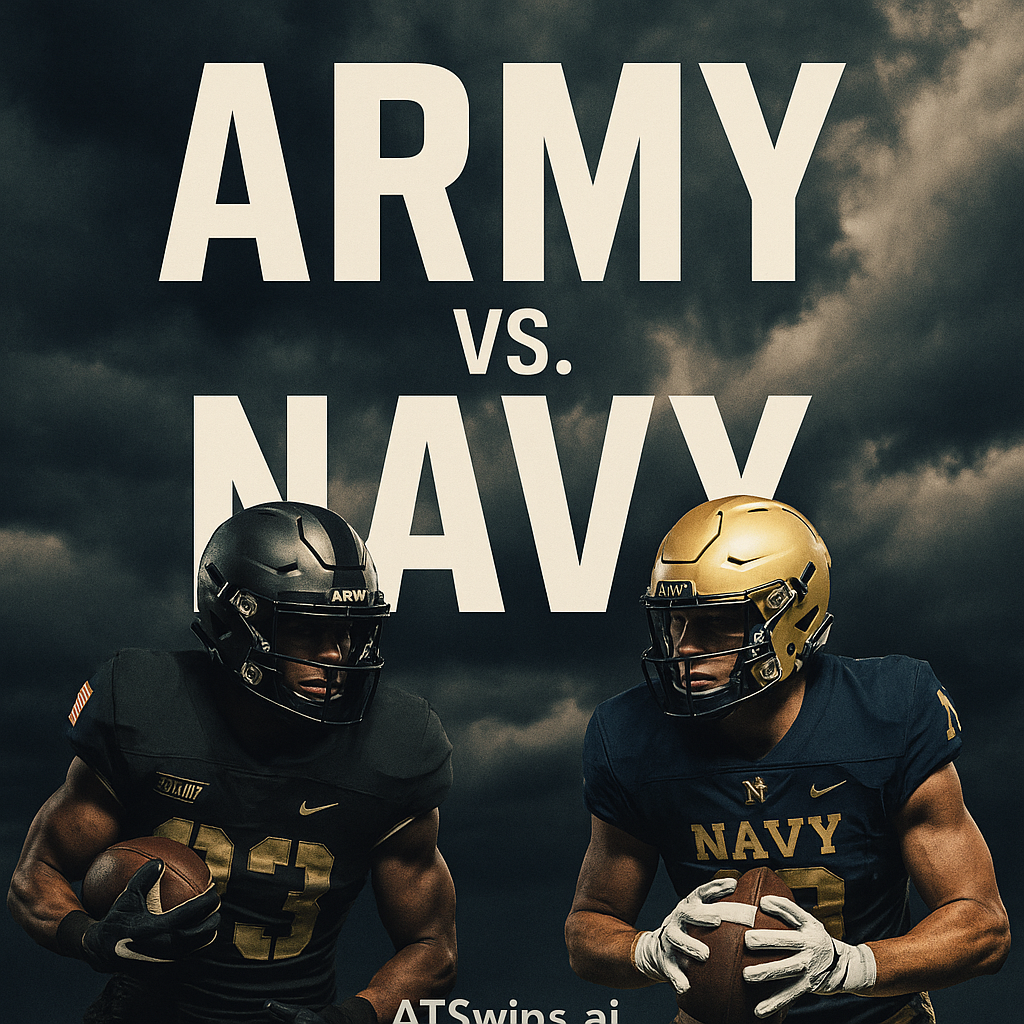
As the crisp December air sweeps across the Chesapeake Bay, the eyes of the nation turn once again to the timeless spectacle that transcends mere athletics: the Army-Navy football game. On Saturday, December 13, 2025, at M&T Bank Stadium in Baltimore, Maryland, the 126th edition of this legendary rivalry will unfold under the lights at 3:00 PM ET. What began as a humble contest in 1890 has evolved into "America's Game," a ritual where black and gold collide with navy blue in a battle symbolizing not just gridiron supremacy, but the unyielding spirit of service academies molding future leaders. With Army entering at 6-5 and Navy at a robust 9-2 – including a No. 22 ranking in the AP Poll – the stakes couldn't be higher for the Commander-in-Chief's Trophy and bragging rights that echo through barracks and wardrooms for years. This year's matchup pits a gritty, run-dominant Army squad against a surging Navy team that's rediscovered its triple-option thunder, promising a chess match of misdirection and physicality. For those seeking deeper statistical edges and predictive models to navigate the chaos, ATSwins.ai offers unparalleled insights into trends and simulations tailored for this unique tilt.
The Army-Navy rivalry isn't just football; it's woven into the fabric of American military history, a tradition born from the competitive fires of West Point and Annapolis. The series kicked off on November 29, 1890, at West Point, where Navy stunned the Cadets with a 24-0 victory in the inaugural clash, setting the tone for a rivalry marked by dominance swings and unforgettable drama. Over 125 meetings, Navy holds a slim all-time edge at 62-55-7, but the margins often tell tales of heartbreak and heroism. Early years were lopsided toward the Midshipmen, who racked up 14 straight wins from 2002 to 2015 – the longest streak in series history – a period that left Army fans longing for redemption. Yet, under head coach Jeff Monken, the Black Knights have flipped the script, capturing five of the last nine encounters, including a thrilling 20-17 double-overtime thriller in 2022 that marked the first OT game in rivalry lore.
This isn't merely about wins and losses; it's a cultural cornerstone. Presidents from Theodore Roosevelt to Joe Biden have attended, with Donald Trump making his fifth appearance this year, underscoring its national resonance. The game rotates venues – Philadelphia's Lincoln Financial Field has hosted the last several – but Baltimore's M&T Bank Stadium, home to the NFL's Ravens, adds a modern edge with its 71,000 seats and proximity to both academies. Traditions abound: the pre-game March On, where full regiments parade onto the field; the Prisoner of War/Missing in Action Table ceremony honoring sacrifices; and post-game antics like cadets and mids stealing goalposts or helmets as trophies. Army's largest margin came in 1949 (38-0), while Navy's blowout pinnacle was 51-0 in 1973. Recent tilts have been nail-biters: Navy's 31-13 rout in 2024 avenged Army's three-year streak, but the Black Knights' 17-11 upset in 2023 showcased their defensive tenacity. With Army holding the trophy since 2020 (factoring in a 2021 tie), Navy enters hungry to reclaim it and cap a banner season.
Delving deeper, the rivalry's ebbs and flows mirror the academies' evolutions. Post-World War II, both teams contended for national titles – Army in 1944-46, Navy in 1958 – but Vietnam-era distractions and coaching carousel shifts led to decades of mediocrity. The 1960s "Lonesome End Zone" era saw Army struggle mightily, winning just one game from 1963-84, fueling Navy's psychological edge. Revival came via the triple option, a veer-flexbone scheme emphasizing execution over athleticism, perfectly suiting service academy rosters where military commitments limit recruiting flash. Navy's 14-game tear under Paul Johnson epitomized this, but Army's resurgence under Monken – now in his 12th year – has restored parity. Off-field, the game boosts morale: cadets and mids bet everything from shoeshines to weekend liberties, fostering the camaraderie that defines military life. In 2025, with global tensions high, this clash reaffirms unity, as seen in X buzz from fans invoking "Go Army! Beat Navy!" amid tailgate plans and spirit videos. It's no exaggeration to call it the Super Bowl of service academies – low-scoring, high-stakes, and eternally captivating.
Army's 2025 Campaign: Grit in the Triple Option Trenches
For the Army Black Knights, 2025 has been a season of resilience, a 6-5 ledger (4-4 in the AAC) that belies their potential and underscores the triple option's unforgiving nature. Under Monken, a master of the flexbone who once quipped, "It's the game of a lifetime," the Cadets leaned on a punishing ground attack, amassing over 2,800 rushing yards while attempting just 250 passes – a throwback ethos in a pass-happy era. Their schedule was brutal: early wins over FCS foes like Morgan State (42-10) built momentum, but AAC gauntlets against Tulsa (W 28-24) and East Carolina (W 31-20) highlighted defensive lapses.
Offensively, Army averaged 28.1 points per game, with the run game devouring clock at 250+ yards weekly. Quarterback Casey Hellums, a senior transfer from UAB, has been the steady hand, completing 62% of his passes for 1,200 yards and 8 TDs while adding 450 rushing yards – dual-threat poise essential against Navy's pursuit defense. Fullback Haydan Reed leads the rushers with 850 yards and 10 scores, his bruising between-the-tackles style evoking Army legends like Mike Mayweather. Slotback Noah Short provides explosiveness, averaging 12.5 yards per catch with 35 receptions for 450 yards, often turning short pitches into chunk plays. The offensive line, anchored by All-AAC center Logan Brown, has paved lanes for 4.8 yards per carry, though penalties (averaging 7.2 per game) have stalled drives.
Defensively, Army ranks mid-pack nationally, allowing 23.1 points and 320 yards per outing, with a bend-but-don't-break philosophy. Linebacker Bo Nicolas leads with 85 tackles and 3 sacks, his sideline-to-sideline speed key in spilling Navy's dives. The secondary, featuring cornerback Egu Kahe, has snagged 10 interceptions, but vulnerabilities showed in losses to Miami (OH) (31-14) and UTSA (27-20), where big plays burned them. Special teams shine: kicker Nico Ciotta is 12-of-14 on field goals, and punter Leo Villanueva averages 42 yards net.
Pivotal moments defined Army's year. A 24-21 upset over then-No. 25 UTSA in October showcased Hellums' poise, scrambling for a game-winning TD. Conversely, a 38-24 drubbing by Air Force exposed option-on-option woes, foreshadowing Navy challenges. Monken's squad rebounded with a 35-14 rout of Temple, where Reed bulldozed for 150 yards. Off-field, the Black Knights navigated a grueling Army life – summer training, academic rigor – fostering unbreakable bonds. As Monken noted in his December 9 presser, "This is bigger than us; it's about legacy." Heading into Navy, Army's motivation burns: avenge last year's loss and extend their recent edge.
Navy's Resurgent Voyage: Midshipmen March Toward Glory
Navy's 2025 has been a masterclass in redemption, a 9-2 record (7-1 AAC) propelled by a revitalized triple option that echoes the glory days of Roger Staubach. Coach Brian Newberry, in year three, instilled discipline after a middling 2024, guiding the Mids to a share of the AAC title and CFP at-large whispers – though the Army game bears no playoff weight. Averaging 32.5 points and 380 total yards, Navy's attack is balanced lethality: 160 rushing first downs against foes' 83.
At the helm is sophomore sensation Blake Horvath, the engine of Navy's resurgence. He's etched his name in lore with 1,390 passing yards (9 TDs, 5 INTs) and a staggering 1,040 rushing yards (12 TDs), a dual-threat dynamo who's completed 65% of throws while evading sacks (just 7 allowed). Horvath's poise shone in a 28-17 clincher over Memphis on November 28, sealing the AAC crown with a late sack-forcing stand. Fullback Blake Chatman complements with 750 rushing yards and 8 scores, his power runs wearing down defenses. Slotback Eli Heidenreich adds aerial flair (35 catches, 500 yards), while slotback Daba Fofana's speed stretches fields. The line, led by center McKinley Robinson, boasts a 4-2 conference mark despite losses to Air Force (24-20) and SMU (35-28).
Defensively, Navy allows 26.9 points, excelling in takeaways (15 INTs) and third-down stops (38% conversion foe rate). Linebacker Ambrose Brown anchors with 90 tackles, while end Will Harbour's 6 sacks disrupt options. The secondary, with safety Zayin Parker, has bent but rarely broken, as in a 31-10 rout of Charlotte. Special teams? Kicker Ian Duncan is automatic (14/14 PATs), and returner Collin Warren averages 25 yards per punt return – though he's nursing a minor tweak.
Navy's path featured highs like a 42-14 demolition of UAB and lows in that narrow Air Force defeat, where turnovers proved costly. A 7-0 start evaporated with the SMU slip, but the Memphis win – as a +5.5 underdog – reaffirmed their grit. Newberry's culture shift, emphasizing "no regrets," has Mids believing in a statement win. X chatter from alums hails Horvath as "Heisman-worthy," with posts predicting a rout.
Head-to-Head Chess: Key Matchups and Injury Watch
This game's essence boils down to trenches and tempo. Army's front seven must contain Horvath's legs – he's rushed for 100+ in seven games – or risk a track meet. Nicolas vs. Chatman will dictate first-down battles; if Army spills outside, Navy's possession edge (35 minutes average) swells. Conversely, Navy's linebackers face Reed's power; misassignment here gifts Army 5-7 yard chains. Secondaries clash too: Hellums' occasional deep shots (Short's 30.6 YPC) test Parker's coverage; Horvath's reads probe Kahe's aggression.
Injuries add intrigue. Army welcomes back nose tackle Kody Harris-Miller after a six-game absence, bolstering run defense just in time. But linebacker Jabari Washington (knee) is out for the year, thinning the corps. Navy's Warren (undisclosed) is questionable, potentially hampering returns, while fullback Kylee Parris is sidelined long-term. No major QB concerns, per latest reports.
Betting lines reflect Navy's form: -6.5 favorites with a 39.5 O/U, favoring a grind-it-out affair. Experts lean Mids, citing superior balance, but Army's underdog fire (4-1 ATS as dogs) tempts contrarians.
Analysis and Prediction: Navy Edges a Classic, 24-17
Analyzing 2025's Army-Navy demands nuance: both run the same scheme, but Navy executes with sharper edges. Army's 6-5 masks a 4-1 non-con mark, but AAC losses exposed third-down woes (42% conversion). Their pass defense ranks 80th, vulnerable to Horvath's bootlegs – expect 150 rush yards from the Mids. Army counters with volume: 60+ rushes projected, grinding 180 yards if Reed finds creases. Turnovers tilt it – Navy's +8 season differential vs. Army's even – and special teams could swing 3-6 points.
Navy's advantages: explosive plays (12 runs of 20+ yards) and red-zone efficiency (75% TD rate). Losses to top-25 foes (Air Force, SMU) toughened them; Army's best win (UTSA) pales. Weather – mid-40s, possible drizzle – favors ground games, suppressing totals. Intangibles? Navy's motivation peaks post-Memphis high; Army's revenge narrative fuels early fire, but fades.
Prediction: Navy 24, Army 17. Horvath authors a 100-yard rush day, Chatman scores twice, while Reed tops 120 for Army. A late Navy field goal seals it after Army's onside kick fails – classic rivalry heartbreak. Under 39.5 hits, as clock-chewing limits possessions to 10 each. Army covers +6.5 narrowly, but Navy reclaims the trophy, extending their AP streak.
In the grand tapestry of service academy lore, this 126th Army-Navy game stands as a beacon of tradition amid college football's chaos – a reminder that some rivalries endure beyond rankings or playoffs. As the Cadets and Midshipmen march onto M&T Bank Stadium, they'll carry not just helmets and hopes, but the weight of generations, forging bonds in battle that classrooms and parade grounds can't match. Win or lose, both emerge stronger, ready to lead. For those dissecting every angle – from option reads to historical parallels – ATSwins.ai delivers the precision tools to elevate your game-day edge.