

 si
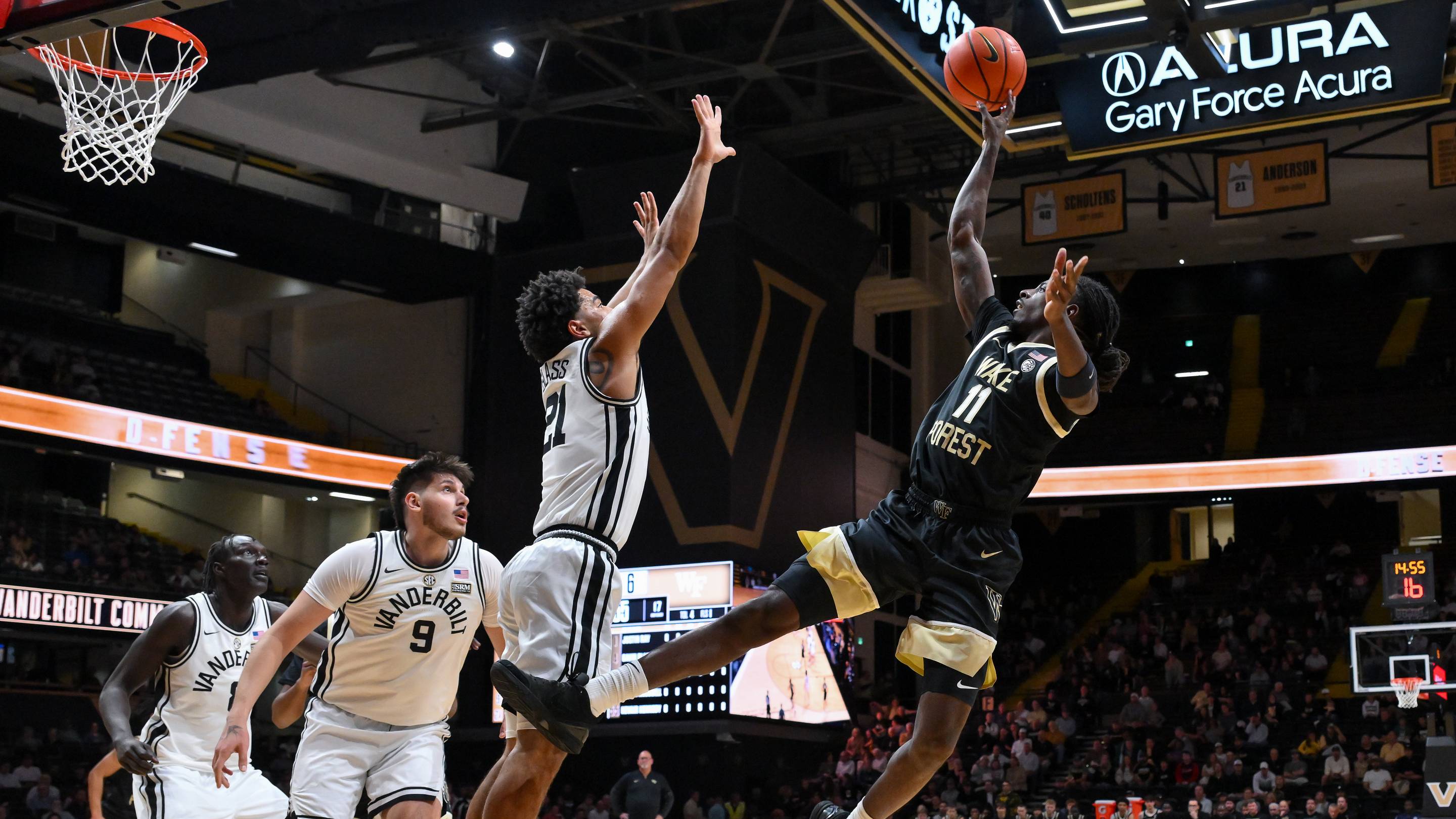
NASHVILLE — During the second half, Tyler Tanner intercepted a pass near midcourt, then chased down a missed layup and converted the putback over a defender to extend Vanderbilt's lead. Tanner is the centerpiece of a program built to win, yet his standout play unfolded before a half-empty arena.
At tip-off, the student section was only four rows deep, and more seats behind the home basket were empty than occupied. The crowd gradually filled in, lifting the atmosphere to the minimum standard expected in the SEC. The game tipped at 5 p.m., and even last season, when Vanderbilt earned a No. 5 seed in the NCAA tournament, early games drew relatively low attendance. But that is precisely the problem: Vanderbilt basketball culture still lags behind what head coach Mark Byington and his staff have constructed.
In the biggest out-of-conference home game in recent memory — Wake Forest has proven to be a formidable opponent this season — Vanderbilt's student section was half-empty by halftime. The on-court performance mattered more than the atmosphere, and although the Commodores were sloppy at times in the first half with loose dribbles and errant passes, they scored consistently and overwhelmed Wake Forest's defense. Byington recently said he believes the team has the pure size to match up with any opponent, and Tanner's quick finishing ability was on full display in the 74-51 victory.
Key Analysis
Fans and students, in particular, need to show up. A team poised for a deep tournament run should not have to play in front of empty seats, especially when tickets are free for students. At the very least, the atmosphere must improve by the time SEC play begins. Any player on Vanderbilt's roster will say a packed Memorial Gym is the ideal scenario. If fans and media expect the program to grow into a perennial contender, the energy must match. After all, five British fans in Union Jack suits cheered loudly throughout the game — if they can show up and show out, so should the Vanderbilt faithful.