

 deseret
Financially, the National Hockey League has never been in a better place.
When the league first instituted a salary cap after the 200405 lockout, the upper limit was $39 million.
Thats all a team could spend on its 23 active roster players.
Less than a quarter-century later, the cap has risen to $104 million and one major player agent believes it will increase to $123 million by 202728.
If that proves true, the cap will have more than tripled in a span of 22 years, despite the fact that the players percentage of the revenue has dropped significantly during that time.
For everyone whose salary is paid by the NHL or one of its teams, a steadily increasing cap is a great thing.
Everyone makes more.
Thats illustrated by the slew of record-breaking contracts handed out over the last 12 months.
Just before the regular season began last year, Minnesota Wild superstar Kirill Kaprizov set himself up with the highest average annual value in NHL history at $17 million.
Before that contract even kicked in, 21-year-old Leo Carlsson leapfrogged him with an $18 million deal as a restricted free agent, no less.
That money trickles down to the nonsuperstars, too.
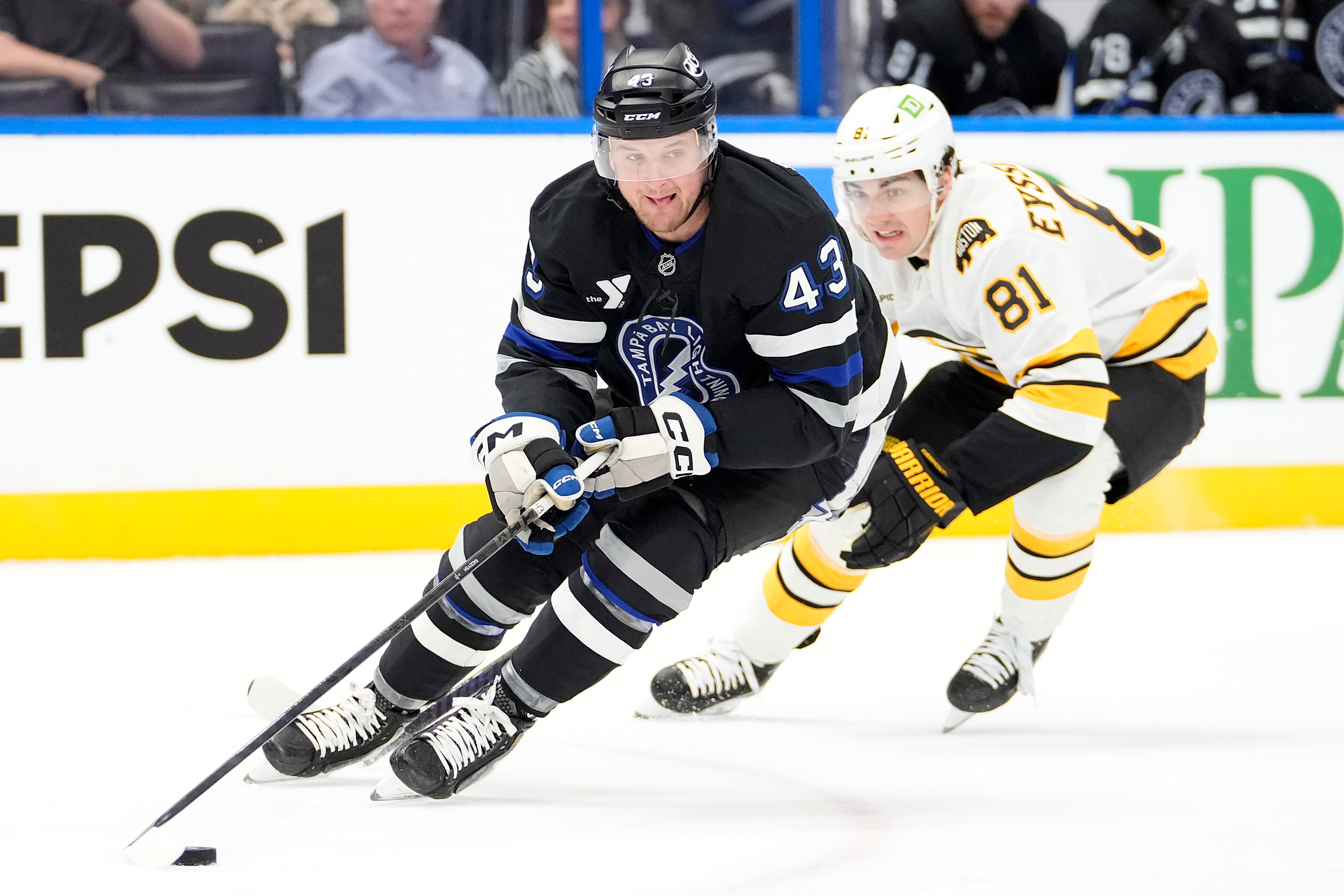
Ian Cole, for example, will make more money at age 37 than in any of his previous 16 NHL seasons if he hits his performance bonuses; Ryan Shea, a 29-year-old who didnt become a full-time NHLer until this season, just guaranteed himself top-four defenseman money for the next five years; After one productive season, Darren Raddysh signed a contract that will push his career earnings far above those of Hall of Famers like Scott Niedermayer, Scott Stevens and Sergei Zubov.
If your interaction with the NHL comes from the other side of the glass, though, your wallet is what funds the bulk of that increase.
Why does the NHL salary cap increase so rapidly? Rising inflation accounts for a 68% increase from the initial salary cap to now, according to the U.S.
Bureau of Labor Statistics.
The other 199% that it has risen since then comes from the ever-increasing cost of being a hockey fan.
The salary cap isnt an arbitrary number.
Its calculated off hockey-related revenue figures.
When teams generate more money, the cap rises, allowing the players to make more too.
As a whole, the players are entitled to 50% of the leagues HRR.
The salary floor and cap, as well as an escrow system, ensure that they get precisely that amount.
In the NHLs first year under a salary cap, the average ticket price was $41.19, according to Rider University.
Adjusted for inflation, that comes out to $69.19 in todays dollars.
TicketData.com finds that fans will pay an average of $82.69 to get into an NHL arena in 202627 (Rider Universitys data ends in 2022).
To watch games on TV in 2005, American hockey fans could tune into Outdoor Life Network, which eventually rebranded as Versus and later as NBC Sports Network.
It was included in most cable packages, meaning no extra fee was necessary for most viewers who already paid for cable.
In 2026, streaming reigns supreme.
Fans must subscribe to watch their sports on a separate bill from where they watch their TV shows and movies.
A yearly ESPN Unlimited subscription costs $300.
If you want TNT too, youre paying another fee, which varies depending on the provider and package one chooses.
Merchandise prices vary by product and team, and data from the mid-2000s isnt fully available, but a Forbes article from 2006 suggests that it was much cheaper for fans to get their hands on the jerseys of their favorite players than it is 20 years later.
Its not all bad The NHL has committed hundreds of millions of dollars to growing the game of hockey over the last decade and a half.
The idea is that creating new hockey fans is a wise investment, and that the money will multiply itself through the lifelong support of those new fans.
Those new fans buy merchandise.
They subscribe to NHL streaming services.
They consume the advertisements plastered on every inch of free space in and around the game.
That all turns into money that the league didnt have before, and it doesnt affect the existing fans one bit.
On the other hand, they also attend games, which raises the demand without the ability to increase the supply.
Thats why ticket prices are higher now than virtually ever before.
The league has tried to combat that by adding an extra two games to each teams schedule for the 202627 season and on.
At an 18,000-seat arena, that allows for an extra 36,000 in-person viewers in each market, as well as all the concessions, merchandise and parking sales those fans bring.
Ideally, that increases the NHLs hockey related revenue and the salary cap without increasing the cost each fan has to pay.
The league has also allowed teams to sell ad space on jerseys and helmets.
While many fans dont like it, it does raise the HRR without passing a monetary cost on to the fans.