

 si
si
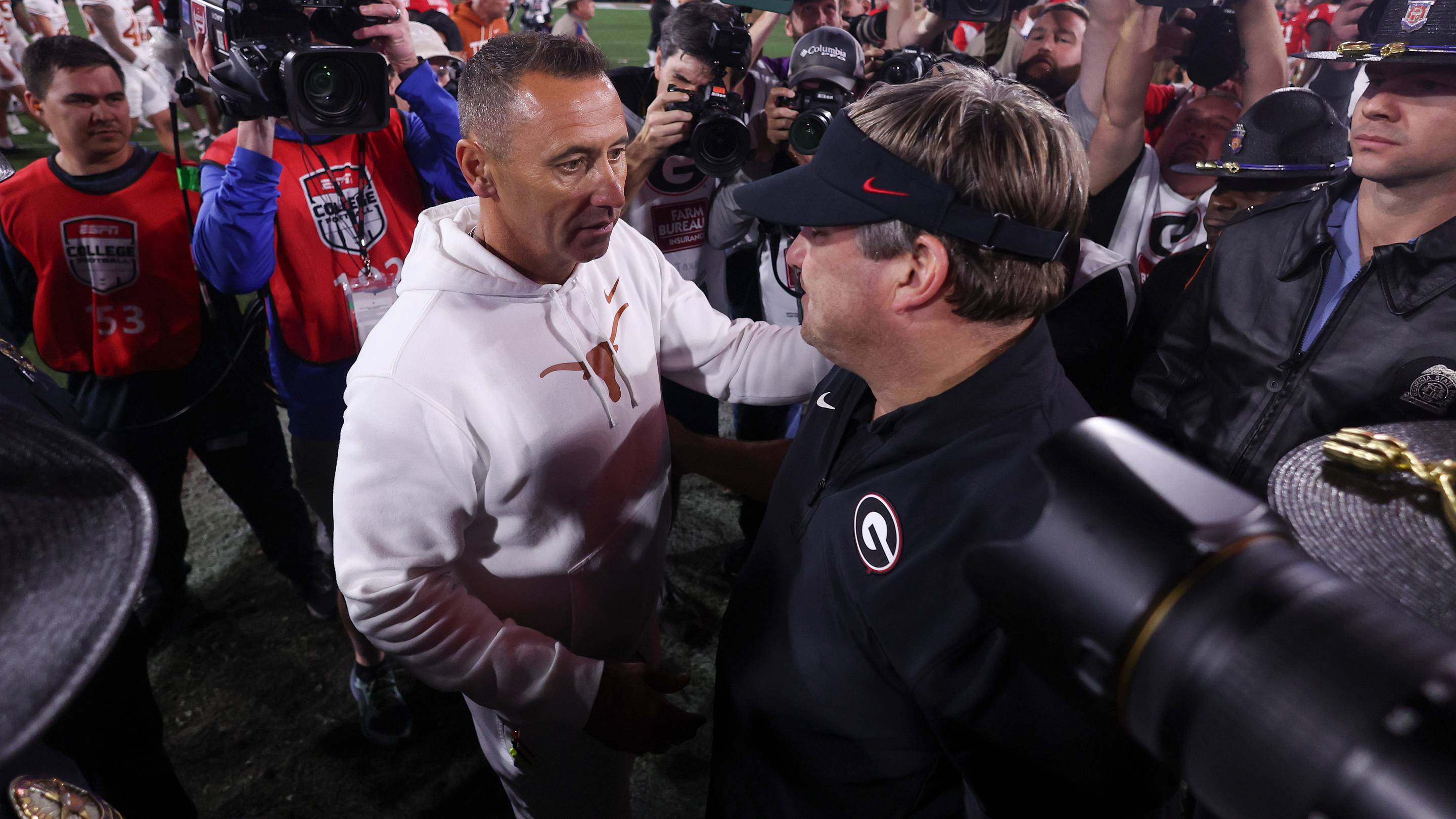
Since arriving in Austin in January 2021, Steve Sarkisian has fundamentally reshaped the Texas Longhorns' locker room culture, establishing a distinct identity over the past five seasons. However, as the 2026 campaign approaches, the head coach is taking a calculated gamble on a strategy that previously yielded success but had recently faded from prominence.
Sarkisian is revisiting the concept of a running back platoon, a tactic that proved effective during Texas' inaugural College Football Playoff appearance but has been less utilized in subsequent years. To execute this plan, he has secured commitments from NC State transfer Hollywood Smothers and Arizona State transfer Raleek Brown, both of whom bring substantial experience. Additionally, freshman Derrek Cooper is expected to contribute throughout the fall, creating a crowded and competitive backfield with no clear starter.
This approach contrasts sharply with several of Sarkisian's SEC counterparts. Lane Kiffin's LSU offense will lean heavily on Caden Durham as the primary ball carrier, assuming he rebounds from a dip in rushing production. Similarly, Texas A&M, under Mike Elko with running backs coaches Holmon Wiggins and Trooper Taylor, will feature Rueben Owens as the clear lead back. Georgia's Kirby Smart and Mike Bobo have Nate Frazier in that same RB1 role. Historically, Sarkisian has also favored a single dominant back, such as Bijan Robinson in 2021-22 and Quintrevion Wisner in 2024. However, Wisner's injury-plagued 2025 season forced a reevaluation, prompting Sarkisian to pivot toward a more distributed workload.
Key Analysis
The distinguishing factor in Sarkisian's new approach is the emphasis on pass-catching ability among his running backs. Both Brown (34 career receptions) and Smothers (37) have proven themselves as reliable targets out of the backfield, and their usage is expected to surge under quarterback Arch Manning. This dual-threat capability allows Texas to create mismatches against increasingly versatile defenses, attacking through screens and boundary routes. Sarkisian's willingness to adapt, particularly with Manning potentially in his final collegiate season, signals a commitment to maximizing offensive flexibility. By assembling a stable of versatile backs, he aims to keep defenses off balance and reduce the physical toll on any single player, a necessity in today's demanding game. This strategic divergence from peers like Smart, Kiffin, and Elko underscores Sarkisian's innovative mindset as Texas enters a pivotal season.