

 si
LAS VEGAS — The Pittsburgh Pirates have endured a prolonged stretch of futility, becoming a symbol of losing in Major League Baseball. A primary factor often cited is their small-market status, which limits their ability to acquire top talent and keeps their payroll near the bottom of the league.
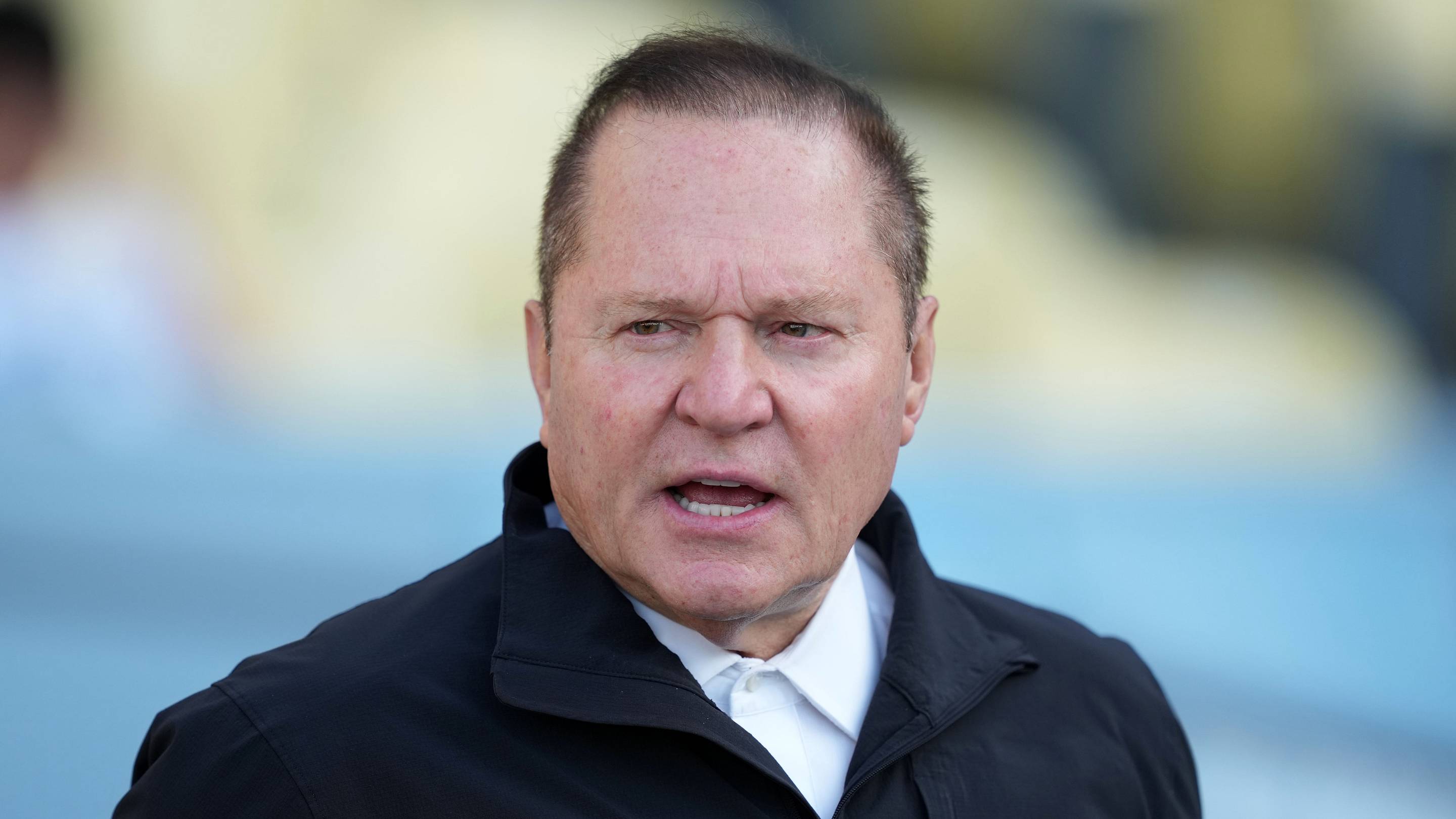
As the Pirates and other small-market clubs brace for an impending lockout, owners are pushing for a salary cap and floor by the 2028 season, believing such measures would create a level playing field across all 30 teams. The players' union (MLBPA) opposes a salary cap, and super agent Scott Boras supports the union's stance, offering no sympathy for teams that fail to win.
Boras Sees a Path for Small-Market Success
The 2026 season defied conventional wisdom, with the World Series featuring two small-market teams: the Milwaukee Brewers and the Tampa Bay Rays. The Brewers captured the title in five games, despite having the 19th-highest payroll and the Rays the 28th (third-lowest). This matchup challenged the narrative that only big-market teams can succeed, and Boras views it as proof that multiple winning models exist.
Boras specifically highlighted the Brewers' draft prowess, particularly in developing pitchers like ace Jacob Misiorowski, and the culture cultivated by National League Manager of the Year Pat Murphy. He argued that competitiveness involves intellect and the freedom to craft unique strategies. "These are the things that fans enjoy that everyone enjoys," Boras said. "The mystery of the game was so complete where we have a diverse approach to championship play." He pointed to recent evidence: "Nothing has been more evidenced than what has occurred two years before and what occurred this year … we have ownership, we have an intellectual structure of executives that have all created something that beats what was unbeatable the prior year."
Boras stressed that teams must focus on countering opponents' strategies and utilize available means—whether through the draft or free agency—without being bound by rigid approaches. He noted that small-market teams operate under varying standards and that success is not solely determined by spending.
Boras: Salary Cap Won't Guarantee Small-Market Wins
While proponents argue that a salary cap and floor would help small-market teams compete, Boras disagrees. He believes teams need to be more creative in generating capital and finding winning methods. "I think my point of it is in the business community, you have an obligation to your fans to compete," Boras said. "So if everybody else in your division or everybody else in the league is utilizing private equity and capital to grow their team, and you say, 'I'm not doing that. I choose not to do that,' then I think the fans will respond in a way that's saying, 'Why don't you do what [San Diego Padres owner] Peter Seidler did? Why don't you do what the Brewers did? Why don't you create an inventive course of conduct that allows you to compete?' Because that's what they're doing with less spending, or they're doing with more spending or they're doing by bringing in new owners."
He added that all resources are available to ownership to treat their fanbase and franchise well, and it's up to those surrounding the team to understand the best choices. "So this idea that smaller markets don't win, something tells me, I think it's been proven that's not accurate," Boras said.
Boras also emphasized that great players will always be compensated well and that identifying such talent is one of the hardest parts of building a winner. He urged teams to find ways to win beyond spending, as the Padres, Brewers, and Rays have demonstrated. "The idea of it is, look, we have models; we have environments that have been successful," Boras said. "The idea of what ownership does and what they choose to do is that they have to understand how they operate, why they operate and obviously if I'm going to operate like I did 20 years ago and everybody in my division is operating differently, I'm not going to be able to capitalize the franchise to a level that others have and create an opportunity because, remember, talent is coveted, rights are coveted."
He continued: "There are few players that are great players. So consequently, clubs understand they have to pursue great players to achieve their goal of greatness and that understanding has to eternally be adopted so that they can preempt it or they can advance it and create a theory of their own and we have many examples." Boras concluded that the system allows for creativity and success: "It allows you to think internally, externally; it allows you to bring people in, bring capital in; it allows you to do a lot of things. That equation is their own."
Is Boras Right About the Pirates and Small-Market Teams?
Boras, as expected, sides with players to maximize their value, but his arguments about small-market success carry weight. The 2026 World Series between the Brewers and Rays demonstrated that teams with lower payrolls can reach the pinnacle. The Brewers became the first small-market club to win it all since the Kansas City Royals in 2015, capturing their first World Series title and their first pennant since 1982.
Other teams like the Rays, Padres, and Cleveland Guardians have built winning cultures but have fallen short of a championship. Meanwhile, big-market franchises like the Los Angeles Dodgers and New York Yankees continue to sign players to record deals, creating a stark contrast for fans of less affluent teams. The best teams often spend heavily, and big-market spenders frequently come out on top.
There is no denying that the Pirates must improve across the organization; payroll cannot be the sole excuse for decades of futility. However, the Pirates do possess top talent, such as ace Paul Skenes and budding star Oneil Cruz, but both are nearing free agency. Expecting the Pirates to sign them to contract extensions is highly unlikely, unlike big-market teams. Regardless of whether a salary cap/floor is implemented, increased revenue sharing—proposed by both owners and the MLBPA in different forms—is essential. Doing so would help teams retain talent and reward players fairly for their success.