

 si
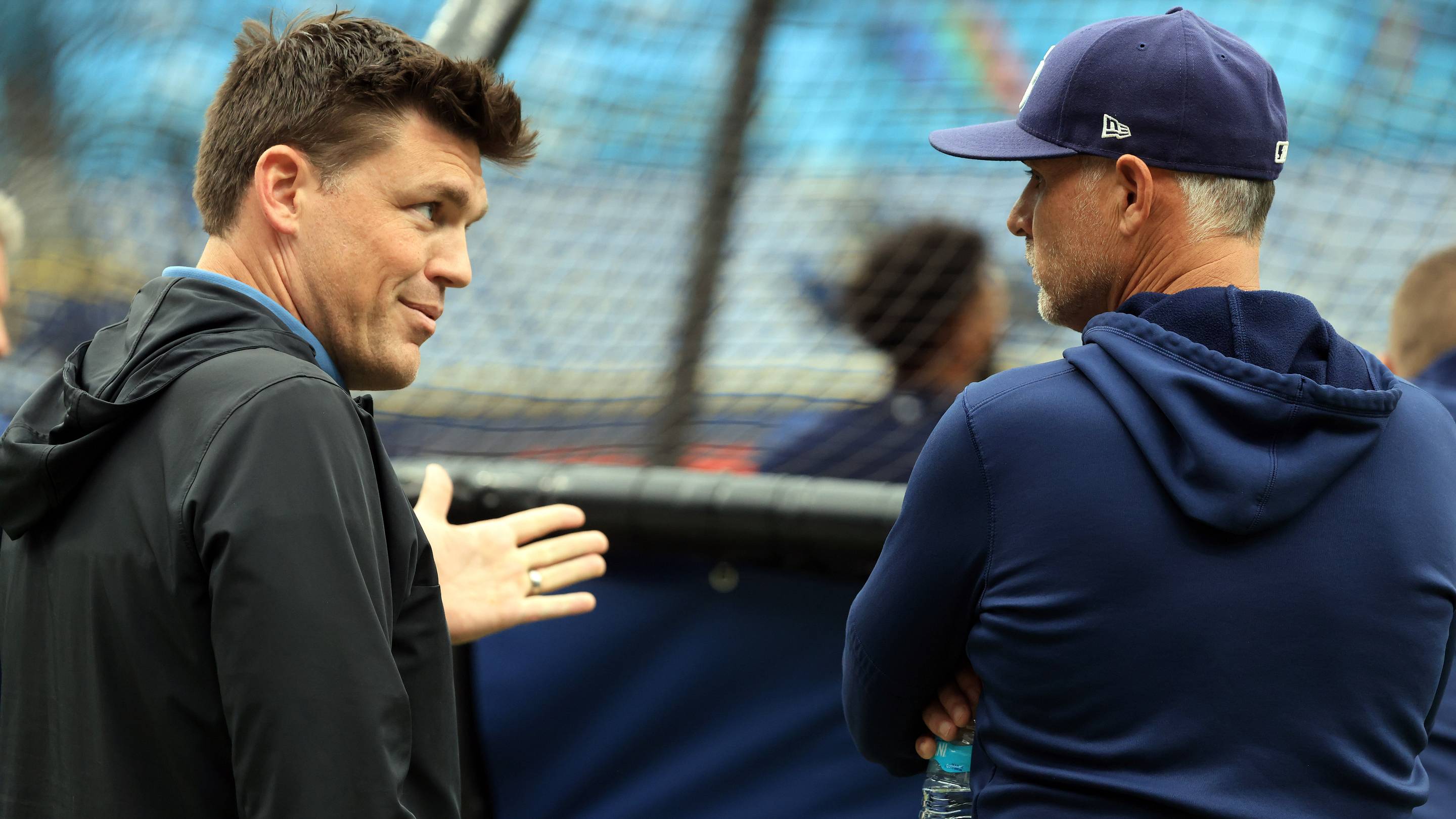
The Tampa Bay Rays enjoyed a remarkable 2026 MLB campaign, even though it concluded with a World Series defeat to the Milwaukee Brewers. That disappointing ending does not overshadow the team's achievements, which included 98 victories—the third-highest single-season total in franchise history. The Rays also secured their fifth American League East crown and third AL pennant, employing a style of play that confounded opponents and demonstrated that success can be achieved without relying solely on launch angles and maximum velocity on the mound.
As the offseason begins, the Rays are a team to watch closely. With new ownership in place, observers are eager to see whether the club will increase spending and take a more aggressive approach to adding talent. The time is ripe for upgrades given the team's recent success, and while the roster is strong, there are areas that could use reinforcement—most notably the offensive production from the middle infield.
Even if Tampa Bay remains reluctant to spend big in free agency, the trade market offers a viable avenue for improvement. The Rays have the assets to pursue top-tier players who become available, thanks to a minor league system that has seen multiple players develop into potential stars. Tampa Bay boasts six players in MLB Pipeline's top 100 entering the winter.
Shortstop Grady Emerson, the No. 2 overall pick in the 2026 MLB Draft, leads the group at No. 12, followed closely by outfielder Theo Gillen at No. 16. Catchers Caden Bodine and Nathan Flewelling rank Nos. 46 and 63, respectively, while infielder Cooper Flemming and first baseman Taitn Gray round out the top-100 contingent. The system's depth is further illustrated by 2025 first-round pick Daniel Pierce, another shortstop, who sits at No. 13 in the organization's top 30. Players outside the top 20 in Tampa Bay's rankings would be borderline top-10 prospects in many other organizations.
That depth, combined with some positional overlap among top prospects, gives the front office the flexibility to execute multiple trades. Last year, the Rays flipped second baseman Brandon Lowe and starting pitcher Shane Baz in separate deals to restock the farm system. Those moves, along with internal development, provide ample ammunition for the front office to make impactful trades this winter.
Key Analysis
The Rays' ability to make blockbuster trades stems from a farm system that is both deep and talented. With six top-100 prospects and a wealth of depth beyond that, Tampa Bay can afford to part with young talent to acquire immediate help. The team's success in 2026 has positioned it to contend again, and the new ownership's willingness to spend could further enhance the roster. Addressing the middle infield offense is a priority, and the trade market offers a way to do so without committing to long-term free-agent contracts. Given the front office's creativity and the assets at its disposal, the Rays are well-equipped to make a splash this offseason.