

 si
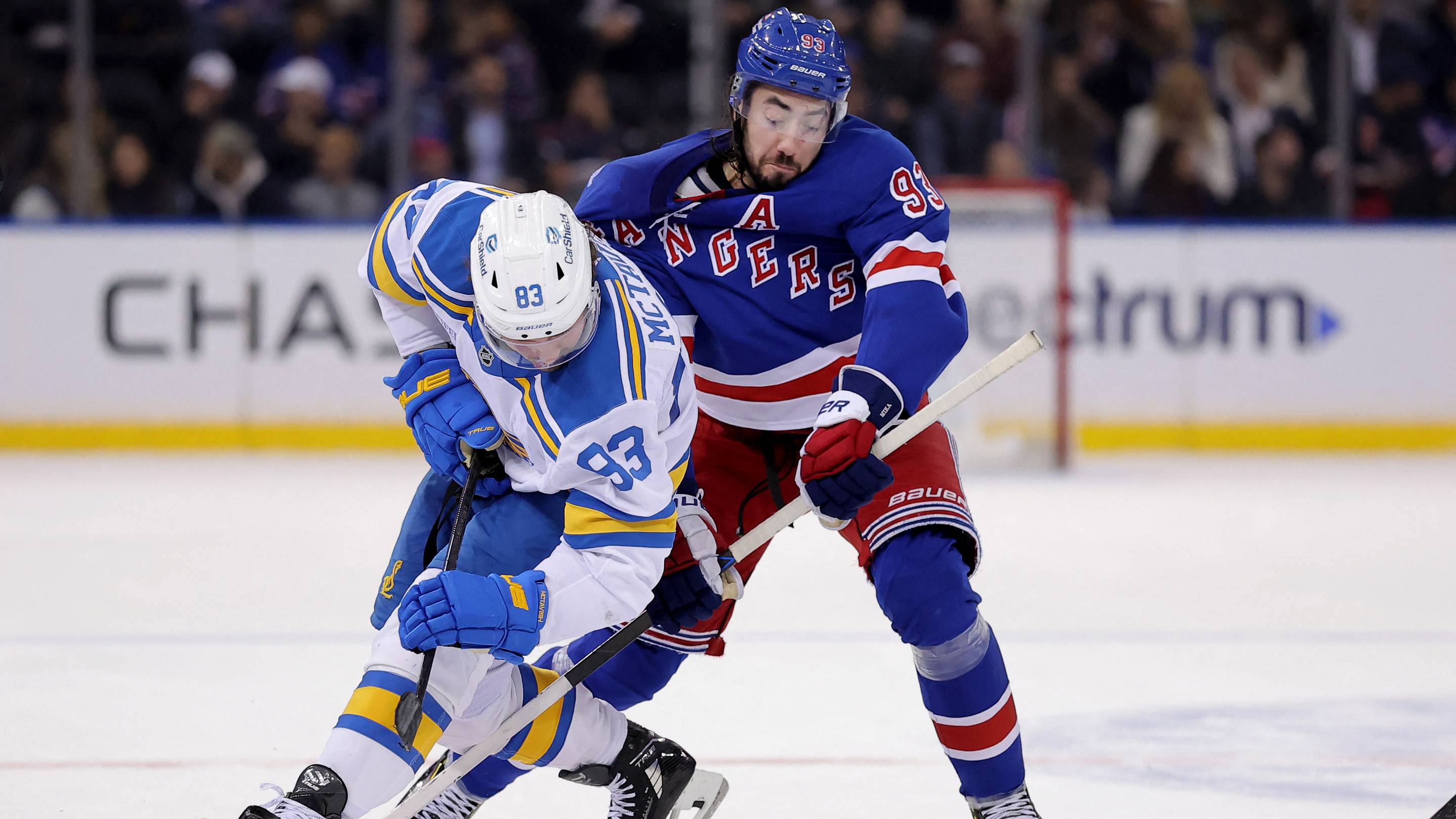
The New York Rangers' 2026-27 NHL season has been a study in contrasts. After a blazing 6-2-0 start, injuries took their toll, and the team stumbled through a 1-5-1 slump. Yet, in their most recent outing, the Rangers righted the ship with a 3-1 victory over the St. Louis Blues.
Regardless of the ups and downs, one aspect of New York's game has remained rock-solid: special teams, particularly the penalty kill. Last season, the Rangers were mediocre on the PK, ranking 15th with a 79.92% success rate, while their power play excelled at 24.65%, fifth-best in the league. This year, those roles have reversed.
Through 16 games, New York's power play has dipped to 18.60%, 21st in the NHL. But the penalty kill has been nothing short of spectacular, leading the league at 90.38%. The Rangers' perfect 6-for-6 showing against the Blues vaulted them past the Dallas Stars (90.00%) for the top spot. According to NHL.com, New York has already recorded 11 perfect kills this season, tied for second-most in the league.
The Rangers have faced 52 power-play opportunities against, the 11th-most in the NHL, but have surrendered only five power-play goals, tied with the Stars and Nashville Predators for the fewest in the league. While head coach Mike Sullivan has frequently pointed out defensive structure issues that have burdened his goaltenders, the penalty kill has consistently bailed the team out.
Key Analysis
Braden Schneider and Marcus Pettersson have drawn criticism for their overall play, but their penalty-killing contributions deserve recognition. Schneider has logged 45:10 of shorthanded ice time, while Pettersson has 40:43, per Natural Stat Trick. Vladislav Gavrikov has also been a stalwart with 45:07 of PK time. Up front, Will Cuylle leads all forwards with 36:21 of shorthanded ice time and has even chipped in a shorthanded goal.
The Rangers' ability to maintain elite penalty-killing efficiency despite a shaky power play and inconsistent defensive play has been a key factor in keeping them competitive. As the season progresses, that special-teams advantage could prove crucial in the tightly contested Metropolitan Division.