

 si
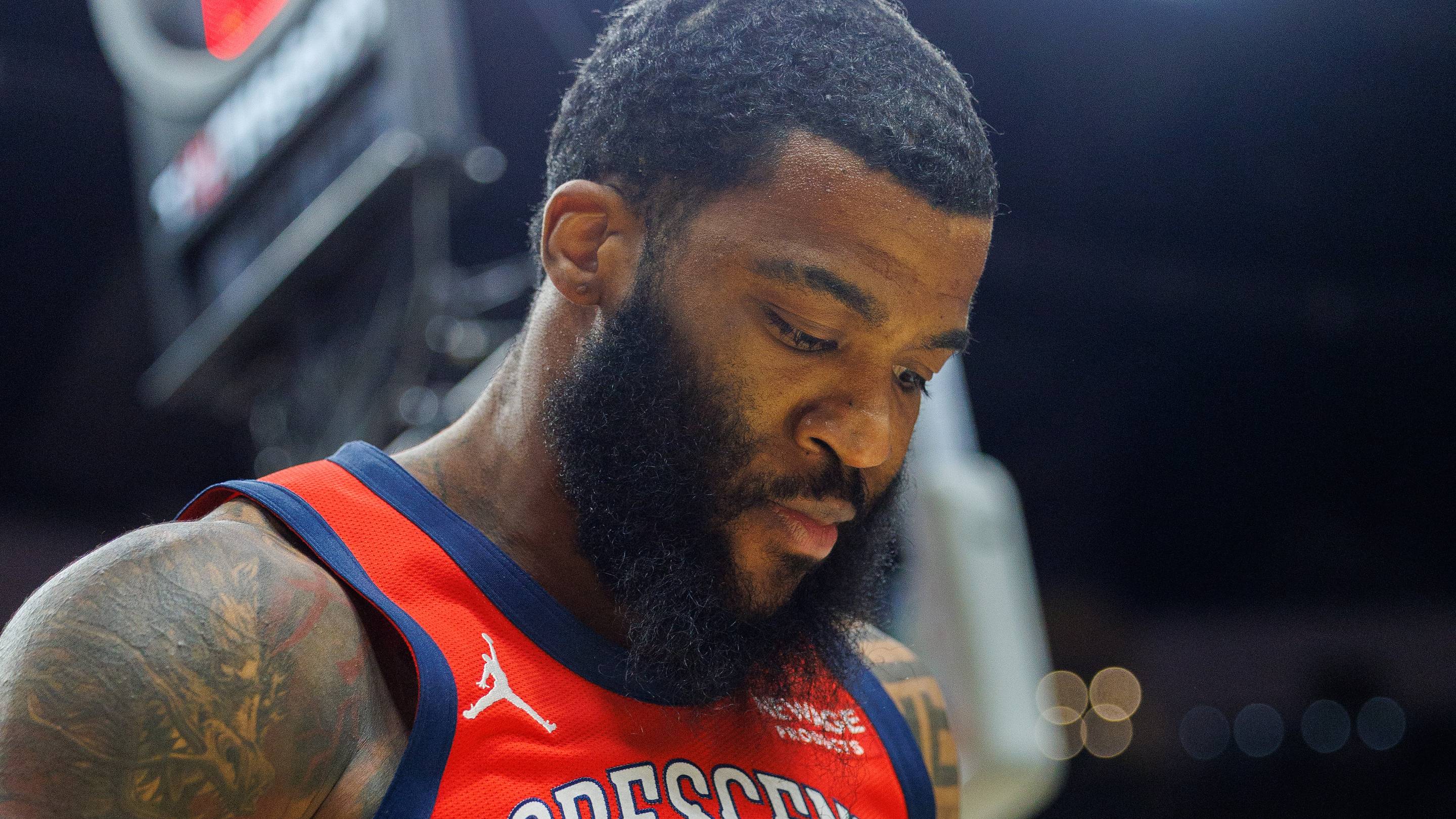
The New Orleans Pelicans were already grappling with Dejounte Murray's trade request when they suffered a 142-111 defeat to the Memphis Grizzlies on Friday, a result that underscored the depth of their issues beyond the disgruntled guard.
New Orleans dropped to 4-9 with its fifth straight loss, a stark reversal from the four-game winning streak that now feels like a distant memory. Murray's demand will influence the franchise's upcoming roster moves, but the on-court performance has raised more pressing concerns about the team's competitiveness.
Collapse Reaches Historic Proportions
The Pelicans have now lost five consecutive games by a combined 140 points, an average margin of 28 points per defeat. Their last three losses account for 116 of those points, marking the worst three-game stretch by point differential in franchise history. The previous record was set over just one game, but defeats to the Clippers, Warriors, and Nets produced a 101-point deficit. Friday's loss replaced the Clippers game in that rolling three-game window, pushing the total 15 points higher.
New Orleans has lost four straight by at least 16 points, and these blowouts are becoming harder to dismiss as isolated failures, especially when each game offers a chance to respond to the previous embarrassment. The four-game winning streak hinted at sustainability, but the subsequent slide has exposed how little the Pelicans can rely on when shots stop falling or opponents pull away.
Murray's Exit Won't Solve Everything
Murray's trade request came amid scrutiny of his production and his partnership with Jeremiah Fears. His absence would allow coach Mosley to define clearer roles in a backcourt that has struggled with both point guards on the floor. However, Friday's game illustrated the limits of that adjustment: the Pelicans generated good offensive stretches but failed to build on them, and their perimeter shooting left them chasing a large deficit all night.
Removing an unsuccessful combination is only the first step; the challenge lies in constructing better ones. Fears must convert greater ball control into more scoring opportunities for teammates, and the front office needs to address the shortage of outside shooting and secondary playmaking. Murray's departure could shorten the rotation, but upgrading the roster is a separate task.
Defensive Woes Persist Across Lineups
Memphis scored 35 points in each of the first three quarters and added 37 in the fourth, with no Pelicans lineup able to slow the onslaught. That defensive failure rendered New Orleans' better offensive stretches meaningless. The Pelicans scored 30 points in the second quarter yet lost ground, and their 28-point third quarter saw a 12-point halftime deficit swell to 19.
Injuries have played a part, but breakdowns occur regardless of who is on the court. Four consecutive blowout losses call into question the team's preparation and execution. Mosley arrived with a reputation for defense and as a "player's coach," but 13 games into his tenure, the Pelicans have established nothing on that end. While the offense has flaws, allowing opponents to score so easily magnifies every scoring drought.
Free Throws Kept First Half Close
New Orleans made 13 of 14 free throws before halftime, helping limit the deficit to 12 despite being outscored 10-3 from beyond the arc. The Pelicans entered Friday leading the league in free-throw attempts per game, and their accuracy kept them within striking distance when shots weren't falling. That advantage vanished after the break; drawing fouls bought time, but the team failed to use it to improve its defense or close the gap from outside.
Strong Starts Didn't Translate to Team Response
Zion Williamson and Saddiq Bey each scored 14 first-half points on 5-of-10 shooting, combining for nearly half of the Pelicans' offense and providing a reasonable foundation entering the third quarter. The missed opportunity came later. With 3:19 left in the third, New Orleans trailed 93-81—the same 12-point margin as halftime. Memphis closed the quarter on a 12-5 run, pushing the game further out of reach. That sequence highlighted the difference between individual scoring bursts and a genuine comeback; the Pelicans could score enough to stay within range but couldn't string together stops and scores to pressure Memphis.
Denver visits Saturday for the second half of a back-to-back, bringing recent experience exploiting those shortcomings. The Nuggets erased a 23-point deficit to win 141-135 in overtime on Oct. 24, then won the rematch 104-91 four days later. New Orleans has already lost to Denver after building a sizable lead and after allowing the Nuggets to control the game. The Pelicans enter the next meeting carrying the weight of five straight defeats and little evidence that the skid will end there.