

 si
si
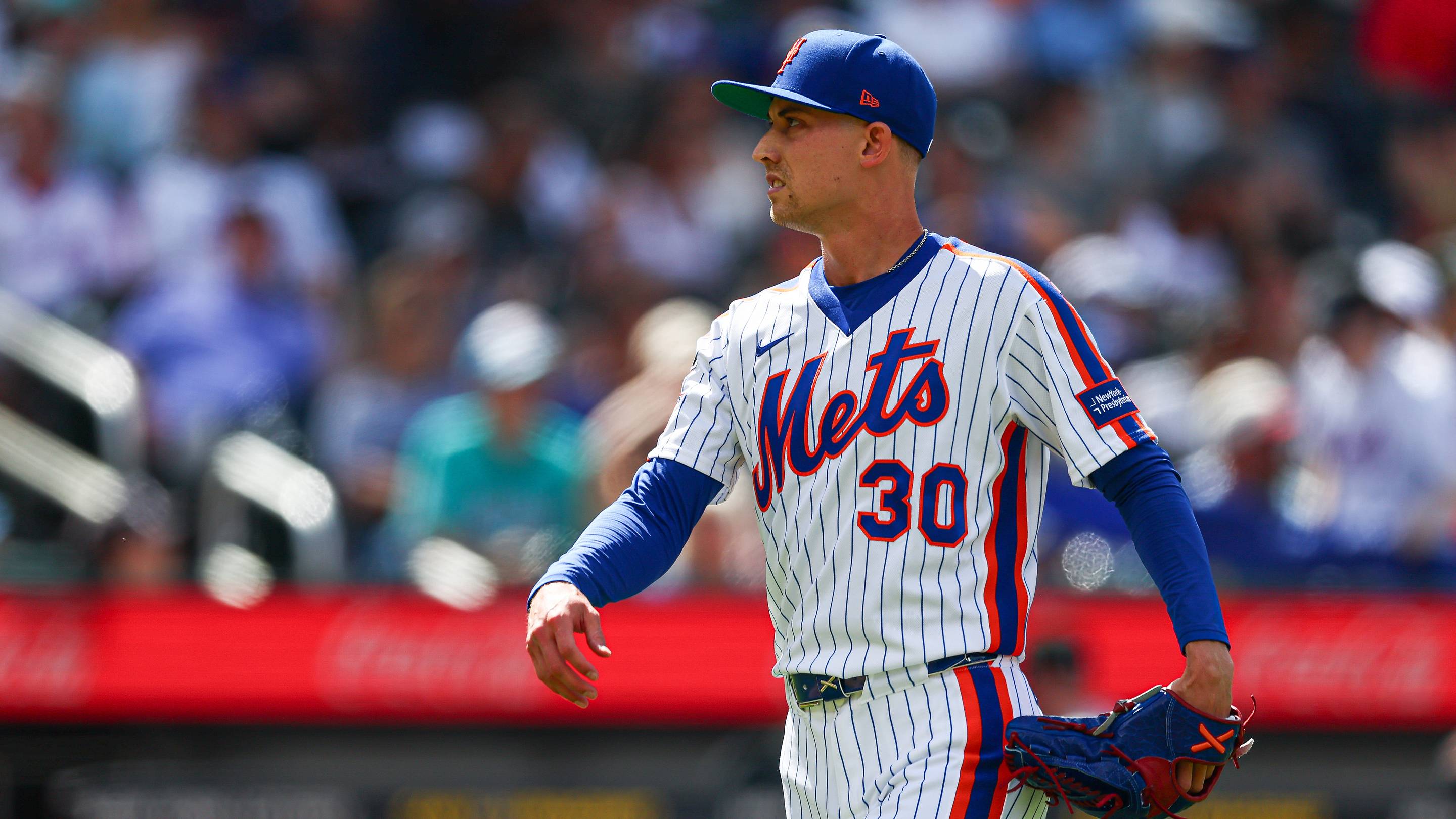
With the trade deadline now in the rearview mirror, the New York Mets face a challenging final stretch of the season, with 49 games remaining and a record 19 games under .500. Playoff hopes have evaporated, prompting a significant roster overhaul.
Over the past several weeks, the Mets executed a series of trades, shipping out eight players, starting with David Peterson to the Cubs and culminating in Clay Holmes and Tyrone Taylor joining him in Chicago. In return, the organization added nine prospects, all of whom now rank in the top 30 on MLB Pipeline, with the newest acquisition, Jefferson Rojas, coming in at No. 63 overall.
While general manager David Stearns made several shrewd moves, not all decisions were universally applauded. Here's a breakdown of what the Mets did well and where they stumbled.
What Went Right
One of the most debated moves was trading Clay Holmes, who had expressed interest in a midseason extension with the Mets. Despite his solid performance and the team's need for starting pitching, the Mets dealt him to the Cubs, receiving a top-100 prospect in Jefferson Rojas. The deal also included Tyrone Taylor, who is set to become a free agent after 2026. Rojas immediately becomes the Mets' No. 1 prospect and a potential long-term solution at third base.
The return for Freddy Peralta was another highlight, as the Mets landed three top-30 prospects from the Rays' system. Despite Peralta's mediocre stats this season, the trade netted promising talents like Emilien Pitre, who has shown impressive offensive potential, and Aidan Smith, known for his defense and speed. Pitcher Gary Gill Hill also came over and could factor into the 2027 pitching plans.
Staying put at catcher was a wise choice, as the market for backstops was exorbitant. By keeping Francisco Alvarez and Luis Torrens, the Mets retained a strong duo. Alvarez, at just 24, has posted a .781 OPS, ranking eighth among MLB catchers, while Torrens has been elite defensively with a +9 defensive run value, tied for third in the league.
What Went Wrong
Some of the returns for controllable relievers were underwhelming. For instance, trading Brooks Raley, a premier lefty, to the Phillies for their No. 27 prospect and an unranked pitcher seemed light. Similarly, the Mets moved Luke Weaver and Huascar Brazoban, both under control for 2027, for modest returns. Weaver, who has been outstanding with a 1.84 ERA, was traded to the Pirates for their No. 9 prospect, Sammy Stafura, but the Mets also had to pay down part of his salary, a questionable move.
The decision to keep Luis Robert Jr. was surprising, given reports that he would likely be dealt. Instead, the Mets will pay him $2 million for the rest of the season, while holding a club option. This blocks playing time for prospects like Nick Morabito, and it's unclear if the team maximized his trade value.
Ultimately, the biggest failure was the team's position to sell in the first place. With a massive $359 million payroll, the Mets should not have been forced to unload players at the deadline. The offseason moves, particularly signing Jorge Polanco to replace Pete Alonso, have backfired, with Polanco posting a dismal .131 batting average and -1.3 WAR. This has left the organization in a precarious state, needing to rebuild a depleted bullpen and find an ace in the upcoming offseason.