

 si
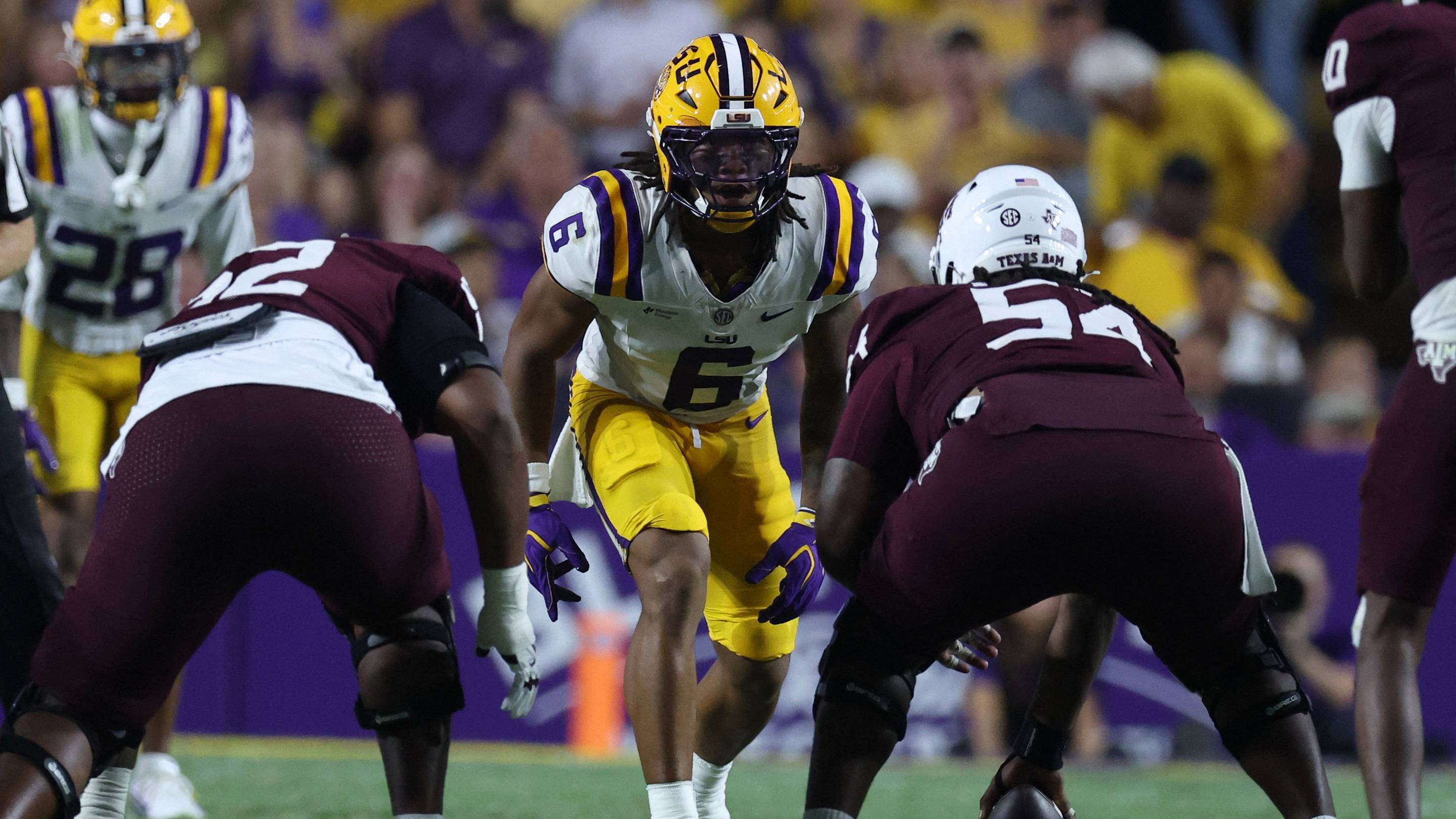
The LSU football team has relied heavily on its defense throughout the 2026 season, and that unit has delivered strong results. However, even after a commanding shutout victory over Mississippi State, the Tigers still require greater consistency from their offense to challenge the top teams in the SEC.
LSU blanked Mississippi State 31-0 last Saturday, with quarterback Sam Leavitt tossing four touchdown passes while the defense stifled the Bulldogs. But a single impressive outing does not alter the broader needs of the team moving forward.
The Tigers have demonstrated an ability to put points on the board, but they must also manage games more effectively when the pressure mounts. The defense can generate opportunities and limit opposing offenses, yet LSU cannot rely on that unit to solve every problem over the course of the season.
Offense Shows Promise Against Mississippi State
The performance against Mississippi State illustrated what the offense can achieve when it sustains drives and finishes them. Leavitt completed 31 of 38 passes for 289 yards and four touchdowns, helping LSU build a 21-0 halftime advantage. The Tigers also assembled a 16-play, 74-yard drive in the third quarter that culminated in a field goal.
LSU finished with 379 total yards and converted eight of 13 third downs, marking a solid offensive effort on a day when the defense never allowed Mississippi State to score. The defense also contributed to maintaining control. Safety Ty Benefield intercepted Mississippi State quarterback Parker Puckett in the first quarter, and the Tigers later stopped the Bulldogs on fourth-and-1 at the LSU 31.
Those plays kept Mississippi State off the scoreboard, but the offense still needed to capitalize on the opportunities. LSU cannot assume its defense will always produce a turnover or a fourth-down stop when a game begins to slip away. Against tougher competition, the offense will need to produce consistently instead of depending on the defense to keep the game under control.
Kentucky Loss Highlights Offensive Execution Issues
LSU's 35-34 overtime loss to Kentucky on Oct. 10 provided a contrasting example of why offensive execution matters. The Tigers moved the ball well early, opening the game with a 14-play, 69-yard drive that ended in a field goal. LSU followed with an 11-play, 75-yard touchdown drive and continued to find ways to move the ball throughout the first half.
However, costly mistakes made it harder for LSU to maintain control. Kentucky returned a punt 55 yards for a touchdown in the second quarter, giving the Wildcats points without requiring their offense to sustain a drive. Later, Leavitt threw an interception that gave Kentucky possession at the LSU 36-yard line. The Tigers also lost a late fumble when Leavitt was sacked at the LSU 28, giving Kentucky another opportunity to tie the game.
Those moments show why LSU needs to protect possessions and limit mistakes. Even when the offense is moving the ball, turnovers and special-teams mistakes can put the team in difficult situations. The defense cannot always be expected to overcome those problems. LSU needs to make the most of its offensive possessions, especially late in close games when one mistake can change the outcome.
Consistency and Field Position Key Moving Forward
Field position is another part of the equation. Against Mississippi State, LSU's defense repeatedly forced the Bulldogs to give up possession on fourth down. The Tigers then had opportunities to take control, including an 85-yard touchdown drive in the second quarter. That is the kind of response LSU needs more often.
When the defense creates an opportunity, the offense has to turn it into points. When a drive starts deep in LSU territory, the Tigers need to move the chains and avoid giving the opponent another chance to take control. The Tigers have already shown they can put together productive drives. The challenge is doing it consistently, regardless of the opponent or the situation.
LSU's defense has been an important part of the team's identity this season, and the Mississippi State shutout was another example of its potential. But the Tigers will face more difficult tests as the schedule continues, and those games will demand contributions from both sides of the ball. Leavitt and the offense took a step in the right direction against Mississippi State. Now they need to build on that performance, protect the football and finish drives when the opportunities are there. The defense has shown it can set the tone. For LSU to reach its goals in 2026, the offense has to do its part, too.