

 kansascity
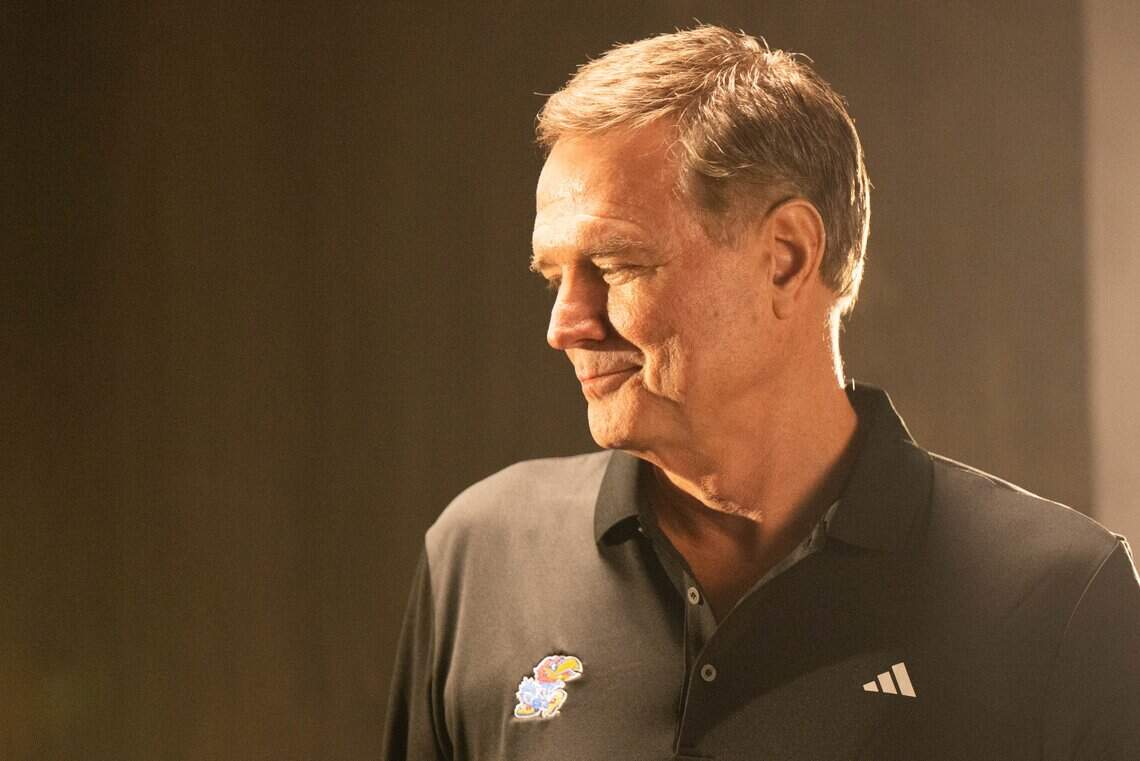
At T-Mobile Center in downtown Kansas City, the nation's top recruit, Tyran Stokes, sat ready for questions. Yet for ten minutes after his coach arrived, he faced none. Stokes, the No. 1 prospect, has been overshadowed before even playing a game for Kansas—because the real buzz surrounds who is actually on the roster.
On Monday, KU added 24-year-old forward Trey Kaufman-Renn, a former first-team All-Big Ten selection, after a court granted him eligibility. The timing was so late that it came just days after Late Night, the program's preseason event. This followed the reinstatements of Melvin Council and, earlier, Tre White—two more players who believed their college eligibility had ended but turned to the legal system for another year. They won that fight, at least for now. Appeals are expected, and further appeals may follow, leaving the final outcome uncertain as Kansas prepares to open its season in less than two weeks.
Coach Bill Self pushed back against the idea that KU is driving the disorder. "A disrupter?" he said. "If we don't play with them, we're going to play against them. This isn't a KU story. This is a KU example." The previous day, Missouri held its media day but did not make leading scorer Mark Mitchell available, as the program awaits court decisions on his eligibility. "That is not a Mizzou story. That is a Mizzou example," Self noted, emphasizing that neither he nor Missouri's Dennis Gates runs the NCAA; their duty is to their own teams.
Key Analysis
The situation reflects a system that relies on voluntary compliance from over 300 schools, which breaks down when competitors don't follow the same suggestions. Coaches are not embracing the mayhem by choice but are being forced into it as a means of survival. "All I want to do is within the guidelines of whatever has been set—how do we get our best team together?" Self said. "There's no disruption as far as creating the situation." While they didn't create the problem, their latest addition might prompt a solution. Self supports a five-year window for players, part of the Protect College Sports Act, which passed the U.S. Senate but not the House. Under those guidelines, Kaufman-Renn and Council would not be permitted to play. The Big 12 separately agreed to bar teams from adding professional athletes, and Kaufman-Renn was drafted 59th overall. "He was automatically put in the draft," Big 12 commissioner Brett Yormark argued. "He didn't declare for the draft. There's a huge distinction there." That distinction seems more technicality than substance, underscoring the sport's entanglement with legal nuances.
Kaufman-Renn's argument is that since redshirts would no longer exist, his redshirt season should not count. Council and White have different circumstances and arguments. Fans would rather ignore the confusion and simply know who is eligible for the season, not just for the moment. But that clarity remains elusive. Self is preparing as if Kaufman-Renn, Council, and White will be available for 2025-26, and he will adjust—as he would for a season-ending injury—if their statuses change. Two weeks before the opener, Kaufman-Renn has been with the team so briefly that teammates aren't sure what to call him. With two players named Tre/Trey, they might use TKR, but freshman Taylen Kinney often goes by TK. "I welcome the uncertainty, to be honest with you," Self said. "It would be nice if all the court cases were set on the same date, so if guys were going to be eligible or not eligible, they'd all go to school at the same time. That's not the way it works." Self followed two players at media day: Keanu Dawes and Kohl Rosario. Dawes arrived a couple of minutes late because he had stopped to see Utah's coaching staff—the place he played a year ago before entering the transfer portal, essentially free agency. These court rulings have delayed some athletes' professional pursuits, but the chaos of roster-building in the pros has come to them.
Originally reported by kansascity.