

 si
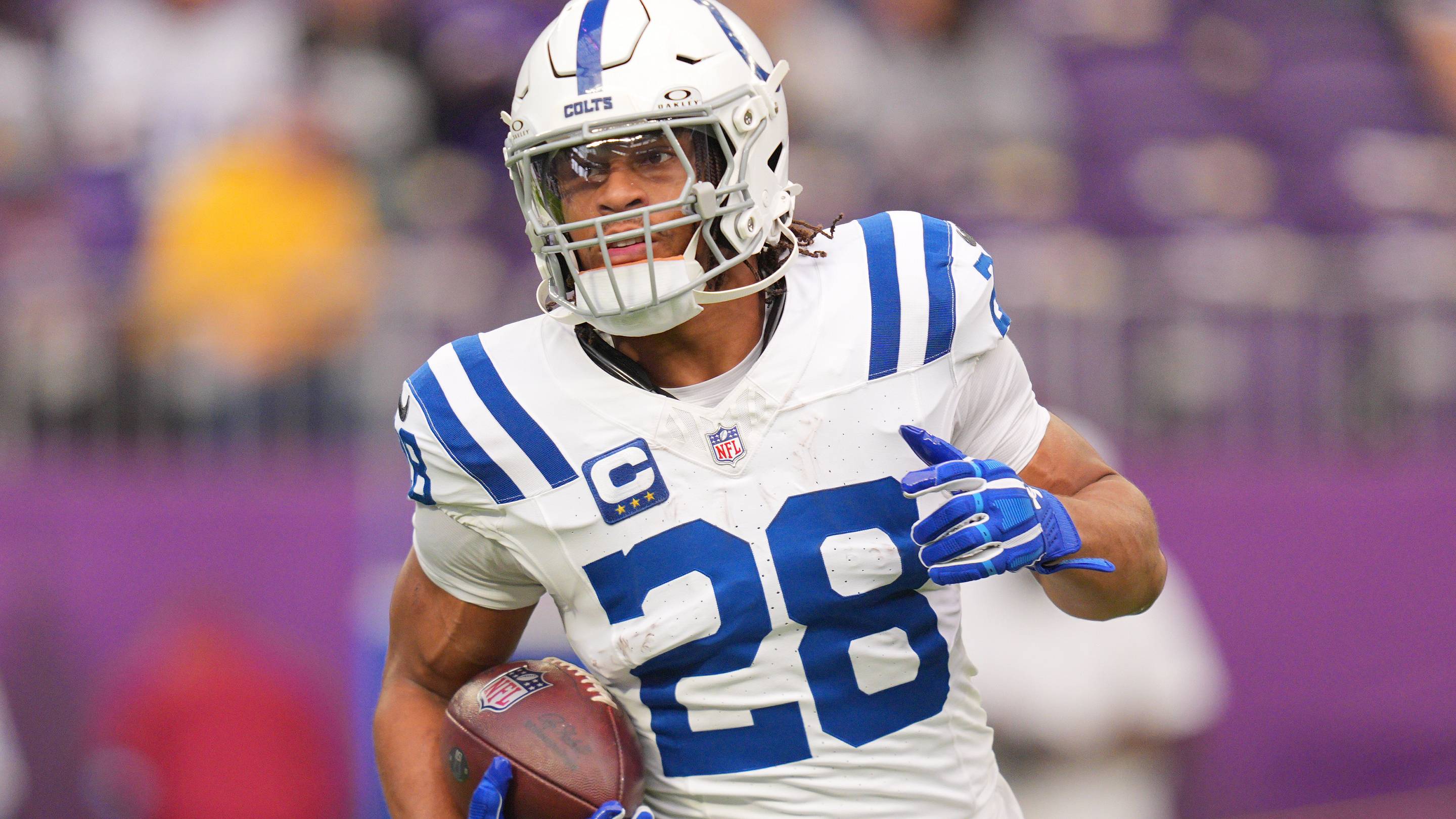
After shipping Quenton Nelson to the Seahawks and DeForest Buckner to the 49ers, the Colts have emerged as the NFL's most active sellers ahead of the trade deadline. The question now is who might be next, and star running back Jonathan Taylor is a name to watch. Both Nelson and Buckner were set to become free agents this offseason, so moving them was logical. But Taylor is signed through 2028, making any potential deal a different calculation.
According to Jake Arthur, head coach Shane Steichen said Wednesday that Taylor has not requested a trade, though he declined to say whether Nelson or Buckner had. As the Colts evaluate whether to trade their best player, here is a look at the pros and cons.
The Pros
The most obvious advantage of trading Taylor is the chance to stockpile more draft picks. The Colts won't have their 2027 first-rounder due to the Sauce Gardner trade, but they have already added a third-, fourth-, and fifth-round selection from the Nelson and Buckner deals. If they move Taylor, the pressure will be on to secure a strong return and hit on those picks. That pressure exists for the Nelson and Buckner picks as well, though both players were on expiring contracts and likely commanded less. Because Taylor is under contract through 2028, the Colts must ensure the value they receive—and the pick they ultimately use—justifies dealing a player who has been a major success.
Beyond draft capital, trading Taylor now could maximize his return and allow the team to move on before he exits his prime. Taylor is coming off an excellent 2025 season and is only 27, but by the time the Colts are ready to contend again, he could be past his prime or no longer under contract. Some running backs, like future Hall of Famer Derrick Henry, have thrived into their early 30s, but many others have not.
The Cons
As mentioned, Taylor is signed through 2028 after signing an extension this past summer—a clear sign the Colts view him as a face of the franchise. Indianapolis drafted him in 2020, and he has spent his entire career there. That could change given the team's current state, though ESPN's Adam Schefter said he doesn't believe the Colts want to trade Taylor. The primary reason to keep him is simple: he is very good. With Nelson headed to Seattle, Taylor is now the team's best player and still in his prime. He has rushed for over 1,000 yards and 10 touchdowns in every season in which he has played at least 14 games.
He is coming off a 2025 campaign in which he ran for 1,585 yards and an NFL-leading 18 touchdowns while earning his third career Pro Bowl nod. Although he has started the 2026 season slower, he still ranks fifth in rushing yards (587) and tied for first in touchdowns (eight). The Colts may be building for the future, but that task becomes easier with Taylor on the roster. They still need offensive weapons, and no one has been as reliable as Taylor. Without him, they would rely on seventh-round pick Seth McGowan to lead the running game and would still need to add another running back via the draft or free agency.
Taylor remains an explosive, elite back who could be even better if the Colts' offense performed anywhere near its early-2025 level. While Indianapolis might not be competitive again until Taylor is nearing 30, a quick turnaround is possible—as teams like the Bears and Patriots have shown in recent seasons, though those teams drafted star quarterbacks with top-three picks. Even if that doesn't happen, Taylor can provide a much-needed playmaker as the Colts transition into the post-Chris Ballard era. The Colts have a crucial decision to make on their best player, and their choice will set the tone for the next few years of Colts football.