

 si
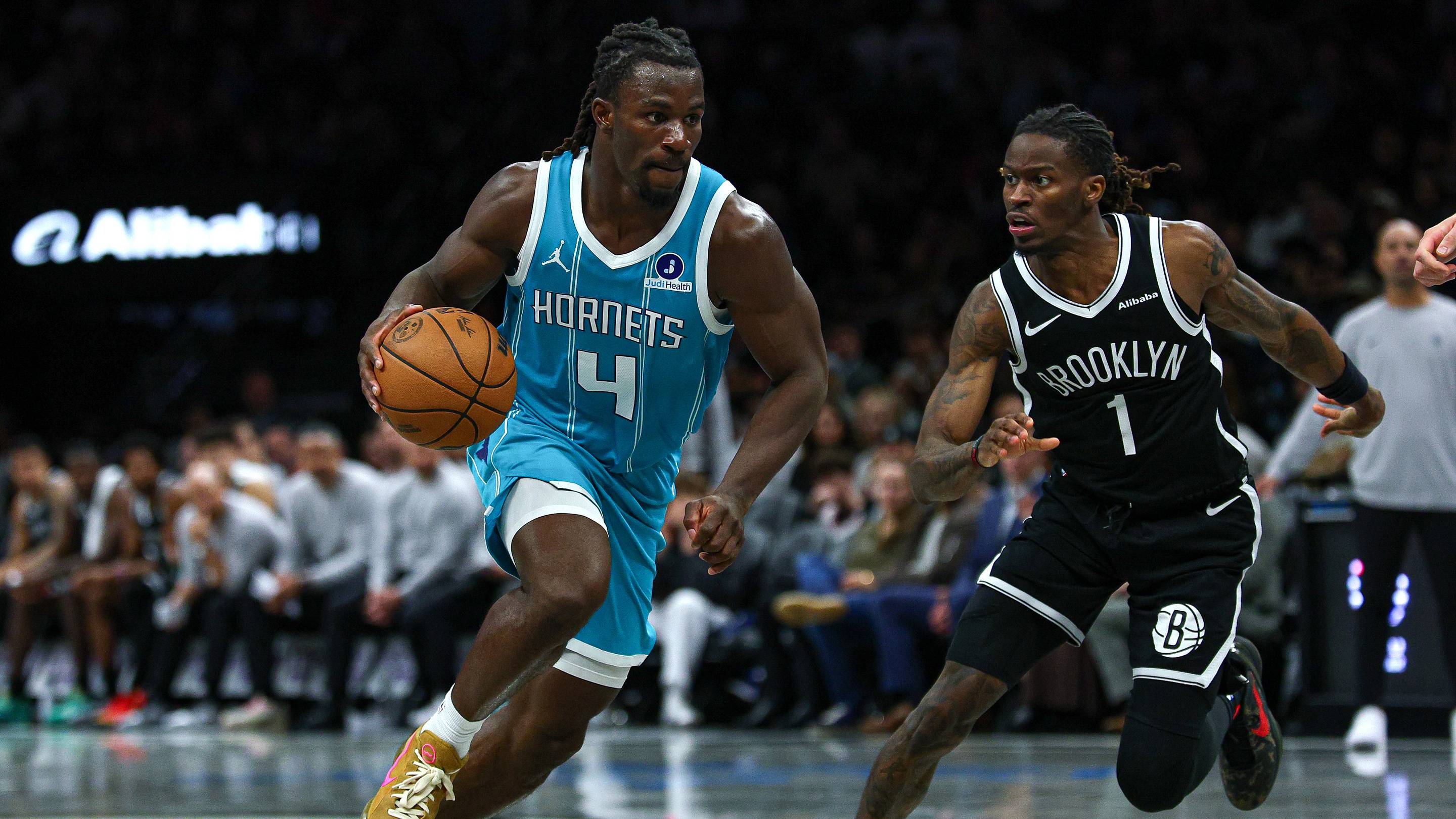
The Charlotte Hornets' 2026-27 season was expected to include some regression, especially after dealing away LaMelo Ball, the dynamic point guard who powered a top-five offense. But few anticipated the offensive collapse that has unfolded. Charlotte's 104.1 offensive rating ranks dead last in the NBA, and their half-court efficiency (85.2) is equally woeful. The team leads the league in three-point attempt rate (48.1% of field goal attempts) but converts just 30.7% of those looks, the fourth-worst mark in basketball.
Frustration is boiling over among the fan base, but those inside the locker room are feeling it even more acutely. The context matters: Coby White has played just two games with limited minutes as he recovers from a calf injury; Kon Knueppel lasted only six minutes before re-injuring his left hamstring; Grant Williams has yet to see the floor. The Hornets generate more wide-open threes than any team, but the shots simply aren't falling. Shooting variance should eventually regress positively, and struggling players like Brandon Miller and Naz Reid should benefit from extended time alongside White and Knueppel.
Last season, Charlotte started 4-14 amid injury woes before a stunning turnaround captivated the Carolinas. The hope is that a similar reversal occurs once coach Charles Lee has his full roster available. However, patience is wearing thin. Fans experienced whiplash: their last home game before October was a comeback win over the Miami Heat orchestrated by Ball—who was traded weeks later. When the new-look Hornets returned to Spectrum Center this fall, they were booed off the court. Lee acknowledged the fans' right to express displeasure, and those boos may grow louder.
Supporters are tired of being sold on future draft picks and cap space. Having tasted modest success last season, they crave more—and rightly so. While the team's short- and long-term potential remains promising, the on-court product has been objectively poor. Much of the ire is directed at EVP Jeff Peterson.
Key Analysis
Peterson finds himself caught between a rock and a soft place. The rock is the majority of Hornets fans frustrated by the team's unwillingness to build on last season's success and instead embark on another rebuild. These ticket-buying, merchandise-purchasing, TV-watching fans are growing apathetic to messaging about 'sustainable success' and 'optionality' with no tangible on-court results. The soft place is the runway Peterson created by trading Ball. By resetting the salary sheet and stockpiling future draft capital, he has earned the right to see the rebuild through. Ownership clearly backs his vision—they approved the franchise-altering Ball trade.
Peterson managed the rare feat of both expediting the fan base's demand for a winner and extending the grace period from his bosses. The long-term effects of the Ball trade will define his tenure. The next major move—when he cashes in those assets—carries immense stakes. Fans are ravenous for high-level basketball, and Peterson must get that move right, or his job could be in jeopardy if the Hornets sink into another endless rebuild.
Holistically, Peterson is very good at his job. Coby White, Brandon Miller, and Kon Knueppel are foundational pieces. Charles Lee is a stellar head coach. The groundwork is laid. But accumulating tradeable contracts and draft capital is the easy part; turning those assets into a championship-caliber team is where the rubber meets the road. Based on this season's start, the pressure is on Peterson to deliver meaningful basketball before his long-term message goes stale.