

 si
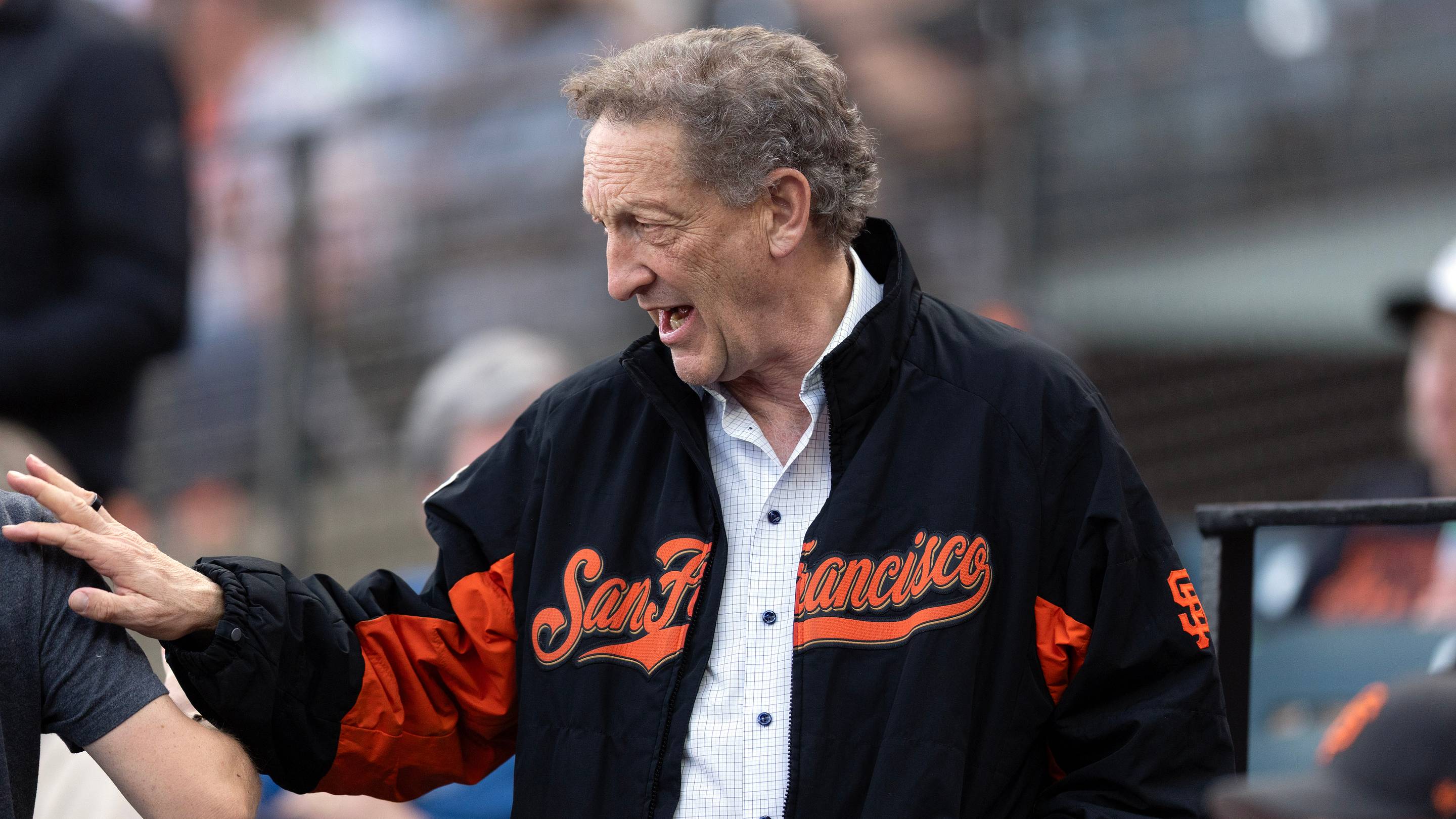
San Francisco's estimated luxury-tax payroll sits at $224,191,167, leaving a gap of $19,808,833 against the $244 million threshold, per Cot's current preliminary calculation. An October 25 report from Around the Foghorn brought renewed scrutiny to those numbers, though the estimate remains an approximation rather than MLB's final accounting.
The more pressing question for the Giants is how ownership will finance a improved roster following a 65-97 season. Last year's distance from the tax line cannot answer that question on its own.
Tax Math Is Not a Budget Blueprint
MLB's luxury-tax calculation relies on contract averages and player benefits rather than a simple sum of annual salaries, which makes it a different measure from the actual cash a club disburses in a given year. The Cot's worksheet therefore offers a helpful estimate of where the Giants stand under the 2026 system, but it does not establish an ownership-approved acquisition budget for the coming winter.
A new spending plan must account for returning contracts, arbitration decisions, new additions and whatever labor rules govern the next campaign. Treating the previous threshold as an automatic 2027 ceiling would assume an answer the current agreement does not provide. The same caution applies in the opposite direction: finishing below the threshold did not prove ownership intended to spend the entire difference. Any offseason outlook should separate estimates of contractual obligations from evidence of what the team actually authorized.
Building a Budget Around Roster Needs
President of baseball operations Buster Posey should construct his request around the work that needs doing. The Giants' offseason priorities include dependable starting pitching and a deeper late-inning bullpen, and those needs require a coordinated plan because a significant investment in one starter would affect the money available for other jobs.
Ownership should evaluate several credible versions of that plan: a larger rotation commitment with modest complementary additions, multiple midrange pitching acquisitions, or a combination of free agency and trades. Each version should show the expected role, health risk and remaining flexibility attached to every expenditure, and it also should leave room to respond when an initial solution fails.
The public payroll estimate did not reveal which approach ownership would approve, and that remains an unanswered question. The Giants should be judged by whether their spending produces a more dependable roster. An estimated cushion under the previous year's tax threshold was useful context, but it was neither a complete budget nor a substitute for a competitive plan.