

 si
With the college football season deep into conference play, it's an ideal moment to assess how first-year head coaches are performing. The results have been strikingly uneven, with some exceeding expectations and others falling short.
Feasting
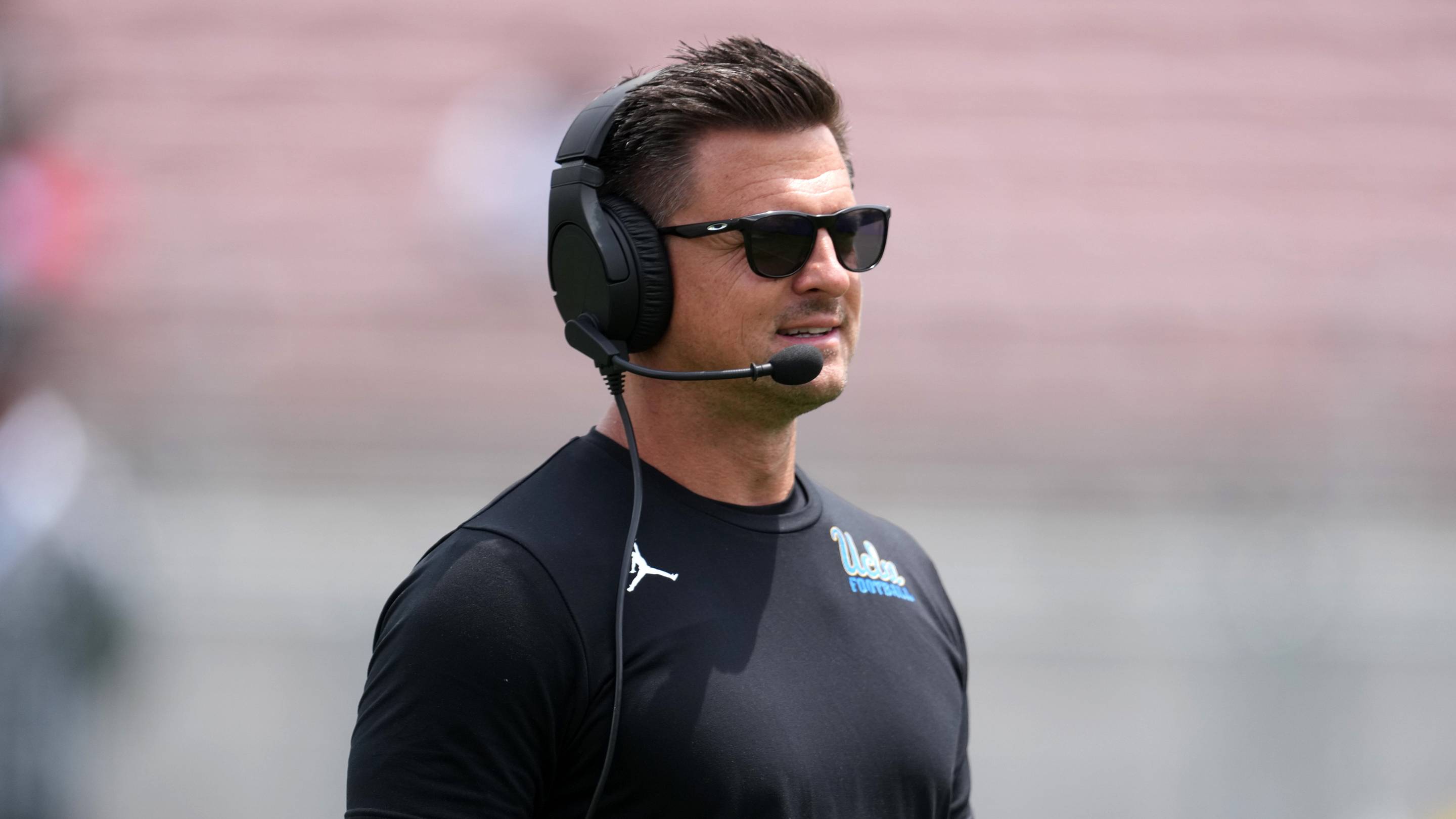
Bob Chesney, UCLA (7-0, 5-0 Big Ten): Chesney has engineered one of the most impressive turnarounds in the country. The Bruins are off to their best start since 2005, even after losing their starting quarterback to a season-ending injury. In terms of immediate impact, he's drawing comparisons to Curt Cignetti.
Morgan Scalley, Utah (7-0, 4-0 Big 12): Promoted from within after Kyle Whittingham was eased out, Scalley has kept the Utes rolling. The hire of offensive coordinator Kevin McGiven has paid off, and retaining quarterback Devon Dampier and running back Wayshawn Parker has been crucial. Upcoming games against Cincinnati, BYU, and Arizona will provide a clearer picture.
JaMarcus Shephard, Oregon State (5-2, 3-0 Pac-12): The Beavers, left for dead by their former Pac-12 peers, have been resurrected under Shephard, a former assistant under Kalen DeBoer. With quarterback Braden Atkinson (from FCS Mercer) and freshman wide receiver Jesse Legree (from Baltimore), Oregon State has won five straight and ranks fourth nationally in scoring at 42.7 points per game. Legree recently announced he'll stay despite interest from Power 4 schools.
Will Stein, Kentucky (7-1, 5-1 SEC): Stein's homecoming has been well documented, and for good reason. He has the best record through eight games for any first-year Kentucky coach since Edwin Sweetland went 9-1 in 1909, when the school was known as Kentucky State College and the Wildcats nickname was first adopted.
James Franklin, Virginia Tech (6-2, 3-2 ACC): Franklin has delivered as advertised, quickly making the Hokies competitive. Their win at Clemson on Saturday was their first over the Tigers since 2007 and first in Death Valley since 2006. Tech is inches away from being undefeated, having lost to Pittsburgh on a field goal that barely missed and to California on a last-minute touchdown.
Pete Golding, Mississippi (5-2, 3-2 SEC): Golding has done the two most important things: kept the program operating at a high level and beaten Lane Kiffin in a game that would have been intolerable to lose. The subsequent beatdown at Florida was bad but not surprising given the emotional investment in beating LSU, and the Rebels nearly pulled off an epic comeback at Texas on Saturday. All goals remain in play.
Alex Golesh, Auburn (4-3, 2-3 SEC): The Tigers have been up and down but scored perhaps the most surprising win of the season by shocking Georgia between the hedges. Given the difficult schedule, getting Auburn to seven wins for the first time since 2019 would be a fine start for Golesh.
Eric Morris, Oklahoma State (5-2, 3-1 Big 12): Morris brought most of his talented North Texas team with him, and after a shocking upset loss to Tulsa in the opener, the Cowboys have produced the expected upgrade. Drew Mestemaker is second nationally in passing yards, and Oklahoma State leads the Big 12 in scoring at 40 points per game. A home game against Texas Tech looms large in the Big 12 race if the Cowboys take care of business on the road the next two weeks.
Jon Sumrall, Florida (5-2, 3-2 SEC): It's been a season of wild mood swings: a 4-0 start highlighted by a beatdown of Mississippi, then two straight blowout losses, then a stunning upset win at Texas. That certainly beats the perma-gloom of the Billy Napier era. The Gators remain in the College Football Playoff conversation, something they last experienced this deep into the season in 2020.
Appropriate Portions
Scott Frost, UCF (4-3, 2-2 Big 12): The vibe around Frost 2.0 changed completely on Saturday when the Knights took down No. 2 BYU. Frost made some brutal decisions late in regulation regarding time and score but lived to tell about it, catching the Cougars in a hangover game and taking advantage. It was UCF's first win over a top-five team in school history. Prior to that, UCF had lost the games it should have lost and won the games it should have won.
Tavita Pritchard, Stanford (4-4, 2-3 ACC): The Cardinal have pulled off a couple of heartening league victories at home over Georgia Tech and North Carolina State. They've also been crushed by every good team they've faced, losing by a combined 172 points to Miami, Duke, Wake Forest, and Notre Dame. If Stanford can scrape out its first bowl bid in eight years, it would be a definitive sign of progress in the Andrew Luck-led rebuild.
Jimmy Rogers, Iowa State (3-4, 1-3 Big 12): No Power 4 coach took over a more decimated roster than Rogers, who is rebuilding after nearly everyone packed and left with Matt Campbell for Penn State. The results have largely been as expected, with losses to four teams with a combined record of 24-4. Rogers really won't be judged on this season.
Ryan Silverfield, Arkansas (3-4, 1-3 SEC): This looked like a meager season all along as the Razorbacks try to ramp up their roster spending, and that has played out as expected. But the Hogs already have one more SEC victory than all of last year, winning at Vanderbilt, and they were competitive in a loss to Tennessee. They might be able to win a couple more in the final five weeks.
Lane Kiffin, LSU (5-2, 3-2 SEC): They didn't pay Kiffin $13 million to lose to Kentucky, no matter how improved the Wildcats are. The loss at Ole Miss was more of a personal minefield for the coach than a problem for the program. The definitive chapters on Kiffin's first season in Baton Rouge are yet to be written, with all aspirations still attainable. But LSU has zero margin for playoff error and three straight difficult November games to play. A 9-3 or worse record would be a disappointment given the payroll.
Collin Klein, Kansas State (4-3, 2-3 Big 12): Klein was the hero coming home to where he starred at quarterback, back when the Wildcats were a national contender. Getting back there isn't happening this season. Despite missing Texas Tech, BYU, and Utah on the schedule, the Wildcats are all but out of the running in the Big 12. An injury to quarterback Avery Johnson took the wind out of the K-State offense's sails against defensively vulnerable Arizona State on Saturday.
Famine
Matt Campbell, Penn State (3-4, 0-4 Big Ten): For the second straight season, the Nittany Lions are seven games in without a single victory over a Power 4 opponent. Last year it was a case of collapsing under high expectations; this year the large-scale transferring of Iowa State talent simply hasn't been good enough. The true misfire here is that Penn State was gifted with the easiest schedule in the Big Ten and has done nothing with it.
Pat Fitzgerald, Michigan State (2-6, 0-5 Big Ten): Dreams of renewed, spit-in-the-eye competitiveness from the Spartans have dissolved into a likely fifth straight losing season under three different coaches. Fitz does not have great talent and his roster has been decimated by injuries, but the Big Ten is a no-excuses league. Maybe this week's open date will allow the depleted Spartans to finish with some vigor.
Tosh Lupoi, California (3-5, 2-3 ACC): If Cal wanted to muddle along near .500 with a bad offense, it could have kept Justin Wilcox. Instead, the Golden Bears opted to bring home alum Lupoi from Dan Lanning's Oregon staff, and the results have underwhelmed despite going to the mat to retain promising QB Jaron-Keawe Sagapolutele. The last two games have been especially ugly, losing to Wake Forest and SMU by a combined 73 points. Offseason staff changes are nonnegotiable.
Kyle Whittingham, Michigan (4-3, 1-3 Big Ten): Whittingham's Wolverines are 130th nationally in total offense and 118th in scoring, having shuffled through one highly touted quarterback and on to the next without success. There are some opportunities for big wins remaining, but to date an elite defense is going to waste. For Whittingham, starting over at age 66 in a completely foreign place might not have been the best idea, though it made sense at the time for Michigan in terms of a hire. (On the off chance Whittingham decides to be one-and-done in Ann Arbor and retire for real, one guy isn't coming back—Jim Harbaugh. The NCAA sanctions against him will last well into his 70s.)