

 cbssports
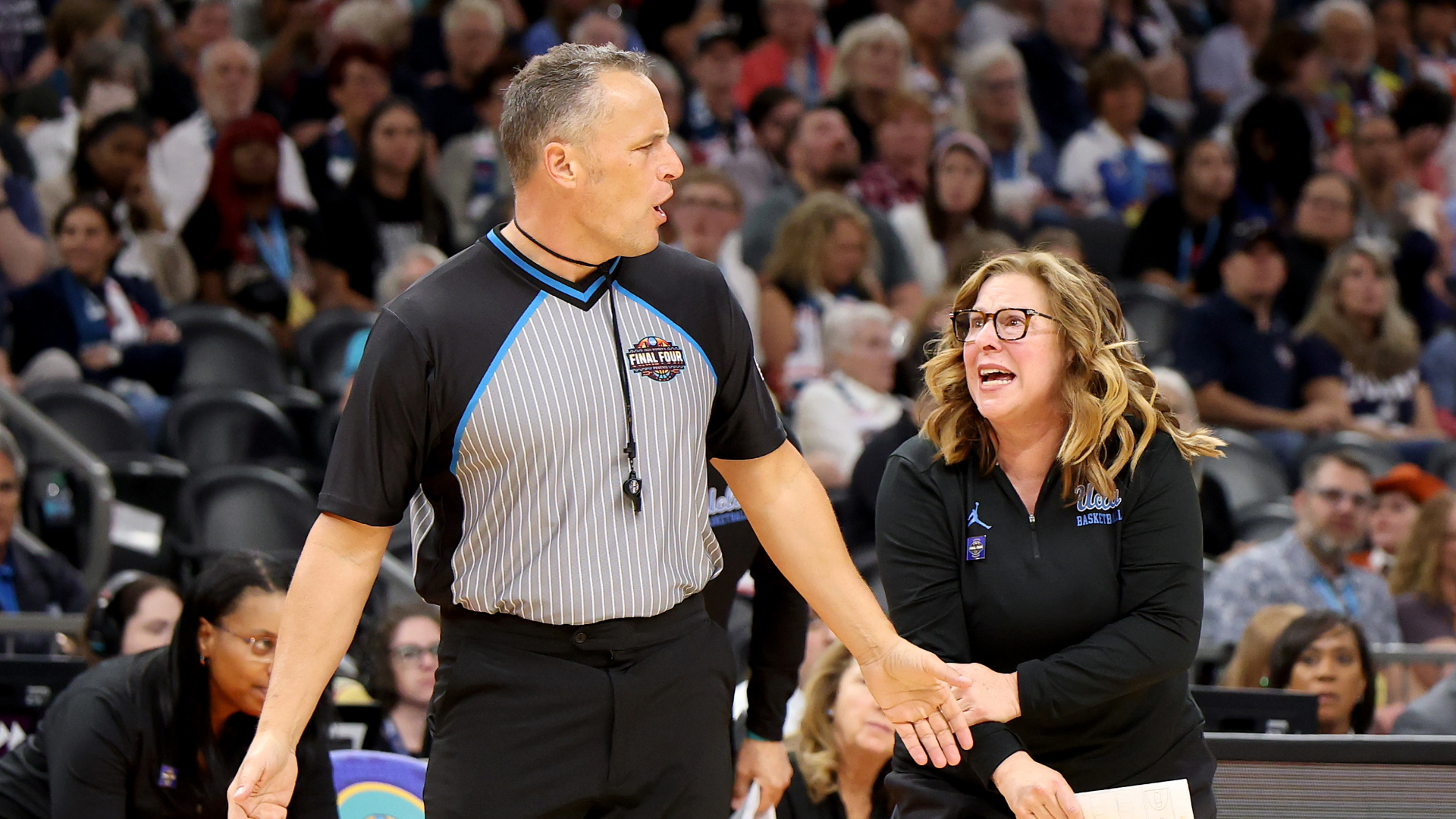
Eight Division I conferences are trying to improve the experience in women's college basketball with an official alliance that aims to "enhance the quality, consistency and development of officiating," the leagues announced on Monday.
The conferences involved are the ACC, American Conference, BIG EAST, Atlantic 10, Big South Conference, Coastal Athletic Association, Ivy League and Metro Conference (formerly Metro Atlantic Athletic Conference).
This group will be led by Pualani Spurlock-Welsh, who has been a full-time official for multiple conferences since 2011 and last month was named supervisor of officials for the ACC, Big East and American Conference.
"When you look at the consortium that was put together, it's an investment in women's basketball and an investment in women's basketball officiating," ACC Commissioner Jim Phillips told USA Today.
"You have to continue to groom young officials and new officials to the game in different ways.
And one way to do it is through the conferences.
I'm excited about it.
It's a strategic, dedicated group looking to make sure that they're delivering the very best quality of a women's basketball officiating." What will the alliance do? This effort aims to improve officiating "through a collaborative system of assigning, training, evaluation and oversight." These are the official services that will be provided for the member conferences: - Identify, recruit and retain officials - Enhance official training, education, mentorship, evaluation and feedback - Develop efficient, collaborative assigning strategies that maximize geographic efficiencies across the alliance - Conduct collaborative seasonal game management calls and provide updates related to alliance operations Having a clearer pipeline for officials will be an important part of these efforts.
Those who are less experienced will start out in smaller conferences and, with the proper training and development, can work their way up to bigger games in leagues like the ACC.
"You need a system that's got some tiers to it, so that you have a chance to move up as you get experience and become more familiar with women's basketball," Phillips told USA Today.
"It's a training mechanism for women's college basketball overall.
The commissioners will obviously have some oversight to it." Is this a new concept? Not exactly, but it is a more official effort now.
These eight conferences had already been working together under the leadership of Debbie Williamson, who served as a conference coordinator of officials since 2014 but retired earlier this year.
Williamson oversaw the eight conferences directly, but Spurlock-Welsh will delegate more of her work.
While she will still be the supervisor for the ACC, Big East and American, the other five conferences will have representatives who report to her.
Officiating has been a hot topic Officiating, always an easy target for critics, has been more of a discussion recently.
In women's college basketball, UConn coach Geno Auriemma just called out the lack of calls from referees in the 2026 national championship game against South Carolina.
"They've been beating the shit out of our guys down there the entire game," he said in April.
"I'm not making excuses, 'cause we haven't been able to make a shot.
But this is ridiculous." It is fair to point out that was a frustrating day for Auriemma, who also after the Huskies lost the game.
However, this is not a recent issue.
In 2023, for example, the NCAA conceded that officiating in the LSU vs.
Iowa national championship game "did not meet expectations," citing that the percentage of correct calls was lower than usual.The WNBA has also had similar issues with officiating.
During the 2025 playoffs, Minnesota Lynx head coach Cheryl Reeve blasted refs after a controversial no-call that led to an injury for star Napheesa Collier.
Ahead of the 2026 season, league commissioner Cathy Engelbert announced a specialized task force to address concerns about officiating consistency and the game's physicality.
"We've seen great improvements on the very things that were broken," said Reeve, who is part of the task force.
"There was a level of impeding players and trying to cut off a screen.
We don't want the unnecessary physicality." The league is still trying to figure out the balance.
Just last month, Phoenix Mercury forward Alyssa Thomas was suspended for while scrambling for a loose ball.
A foul was not called during the game, but she was later given a flagrant foul 2 penalty.