

 newsobserver
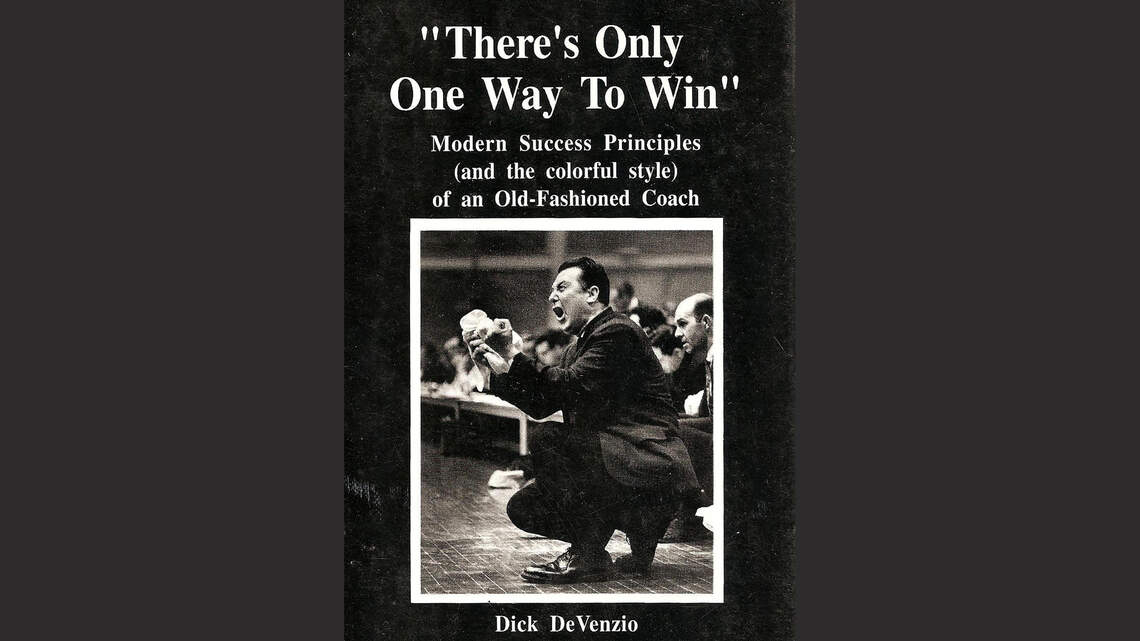
Dick DeVenzio, a Duke basketball standout from over five decades ago, may not be a household name today, but his prophetic views on college athletics are more relevant than ever. DeVenzio, who passed away in 2001 at the age of 51, was a vocal proponent for athletes' rights, including compensation and unionization, long before these ideas gained mainstream acceptance.
In a 1986 interview with the News & Observer, DeVenzio articulated his belief that a players' union was the only viable path to meaningful reform, expressing deep skepticism about the NCAA's ability to change. He described the organization as overly bureaucratic and fundamentally resistant to progress. His words, which went largely unheeded at the time, now resonate as remarkably prescient.
DeVenzio's activism was not limited to rhetoric. He authored the 1985 book 'Rip-Off U: The Annual Theft and Exploitation of Major College Revenue Producing Student-Athletes,' which laid out the systemic exploitation of athletes and proposed a unified players' association. He also founded the College Players Association and even mailed $100 checks to senior athletes in the 1990s to highlight the restrictive rules governing their compensation.
Key Analysis
DeVenzio's foresight is now being vindicated as college sports undergo seismic shifts. The recent surge in athlete empowerment, including NIL deals, revenue-sharing agreements, and unionization efforts, aligns closely with what DeVenzio championed decades ago. His brother, Dave DeVenzio, noted in a recent interview that Dick was advocating for NIL rights 40 to 50 years before they became reality.
Despite his efforts, DeVenzio's initiatives often fell short. His attempt to organize a sit-down strike before a 1986 Oklahoma-Nebraska game, with the help of Brian Bosworth, only resulted in a symbolic kneel at midfield. Yet, his persistence laid the groundwork for the ongoing movement, and his legacy as a pioneer for athlete rights is now being recognized.
Originally reported by newsobserver.