

 si
si
PITTSBURGH -- The Pittsburgh Pirates and the Los Angeles Dodgers may seem like polar opposites in Major League Baseball, yet their paths could soon intersect in unexpected ways.
The Dodgers are facing elimination in the National League Championship Series, down 3-0 to the Milwaukee Brewers. If Milwaukee, a division rival of the Pirates, clinches the pennant, it would mark their first since 1982 and represent a small-market triumph over a large-market powerhouse often cast as MLB's antagonist.
A Dodgers loss, particularly a sweep, might reverberate into Pittsburgh's offseason strategy and the looming labor negotiations.
Intense Labor Negotiations Coming This Offseason
The current collective bargaining agreement is set to expire at midnight on Dec. 2, with owners expected to lock out players, paving the way for contentious talks in the months ahead.
The MLB Players Association and the owners, led by commissioner Rob Manfred, remain deadlocked on numerous issues, with the salary cap emerging as the most divisive. MLB currently operates without a salary cap, which would limit spending and aim to foster competitive balance across all 30 teams.
A glaring disparity exists between baseball's big spenders and smaller markets: the New York Mets lead with a $346 million payroll, while the Cleveland Guardians sit at the bottom with $74 million.
This gap is stark in the NLCS, where the Dodgers' $339 million payroll ranks second, and the Brewers' $146 million ranks 19th.
The Dodgers' wealthy ownership group has secured massive deals, including a four-year, $240 million contract for outfielder Kyle Tucker last offseason, which drew criticism from fans and rival executives. Tucker, batting eighth, earns $60 million, while Milwaukee's highest-paid player, designated hitter Christian Yelich, made $24 million this season.
The only spending restraint comes via the Competitive Balance Tax, a luxury tax with penalties for exceeding a threshold set at $244 million in 2026. Los Angeles's payroll after luxury tax hits $433.1 million, surpassing the combined salaries of the Brewers, Guardians, and Tampa Bay Rays at $360.5 million.
Owners are likely to argue that such spending by large-market teams like the Dodgers is unsustainable for small-market clubs such as the Pirates. Players, conversely, will counter that owners have the means to spend similarly and can achieve success when they do, as the Brewers have demonstrated to a degree.
Could a Small-Market World Series Change Things?
If the Dodgers fail to reach the World Series, it would be a historic first small-market Fall Classic in decades. The last small-market champion was the Kansas City Royals in 2015, 11 years ago. The Guardians haven't won since 1948, while the Brewers and Rays have never claimed a title.
Anthony Castrovince of MLB.com highlighted the overwhelming presence of large-market teams in the World Series since 1995, with 80% of winners ranking in the top half of payroll.
Owners will point to this trend as evidence that high spending correlates with success. Players will highlight the Guardians, Brewers, and Rays, who, despite lacking a World Series title, have consistently reached the postseason and won divisions.
Both sides will present their cases at the bargaining table, ensuring a heated negotiation.
How Does This Impact the Pirates' Offseason and Future?
The Pirates have endured a lean recent history: just five winning seasons in the past 34 years and three postseason appearances from 2013 to 2015. In 2026, they finished 82-80, their first winning record since 2018, a step forward but still shy of playoff contention.
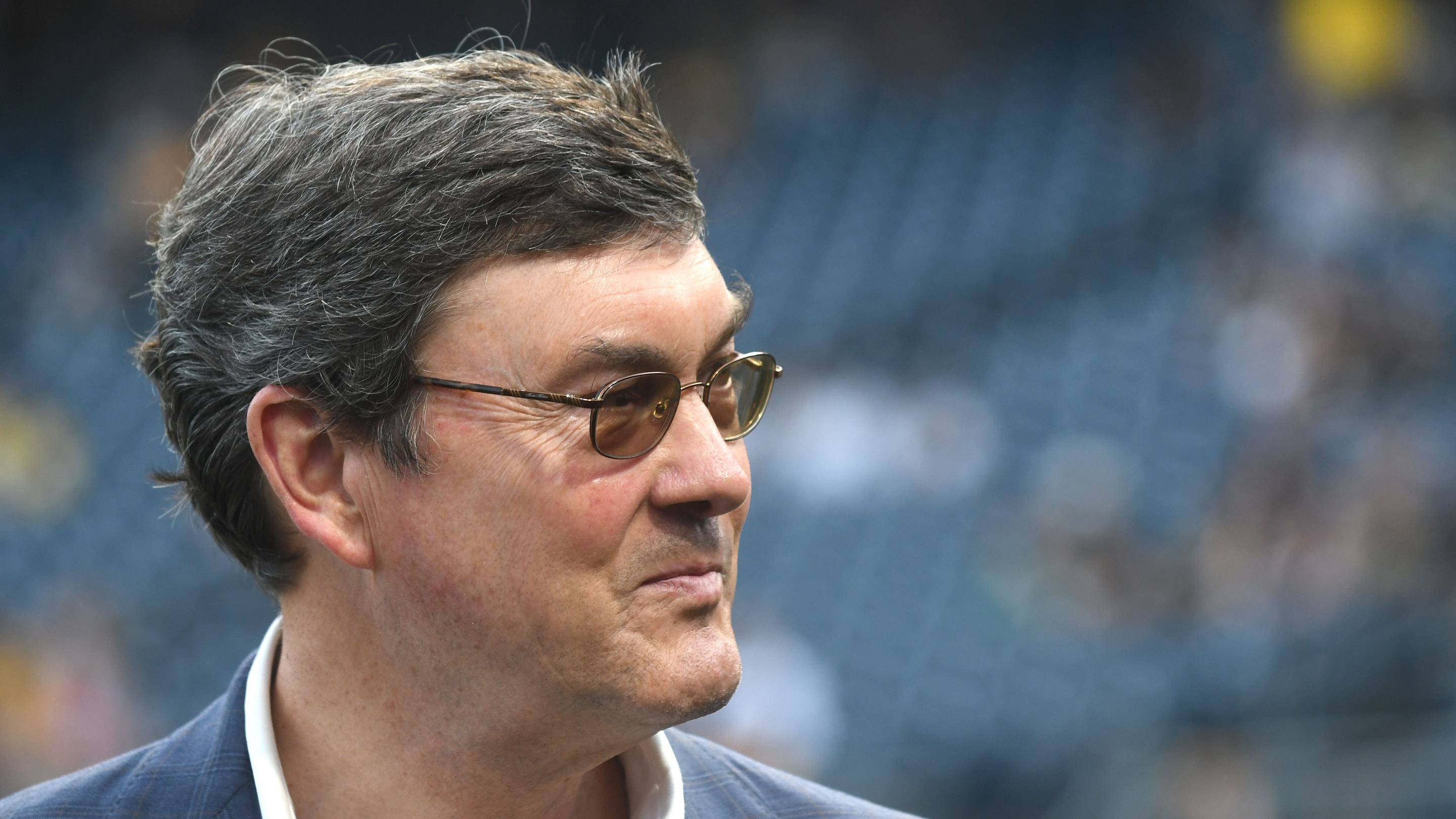
With a strong core returning in 2027 and a projected payroll of $100 million before any free-agent or trade additions, the Pirates face a pivotal offseason. Owner Bob Nutting has consistently maintained among the lowest payrolls since becoming chairman in 2007, and this could be his largest yet, though the final figure remains uncertain.
The top priority is re-signing star second baseman Brandon Lowe, who slugged 35 home runs and is a National League Gold Glove finalist. Pittsburgh also faces long-term concerns about retaining top talents, notably pitcher Paul Skenes, who is set to become a free agent at the end of the decade.
Skenes serves on the eight-player executive subcommittee for the MLBPA, giving him a significant role in the labor negotiations. Pirates fans are excited about the team's potential but worry about keeping stars like Skenes long-term.
A salary cap could enable the Pirates to retain their best players rather than losing them to larger markets. However, players are unlikely to concede on a cap, raising the possibility of lost games in 2027 or even a canceled season.
The 2027 season is crucial for the Pirates, and the outcome of labor negotiations will shape the franchise's future.
Dominic writes for Pittsburgh Pirates On SI, Pittsburgh Panthers On SI, and Pittsburgh Steelers On SI. A Pittsburgh native, he grew up watching Pittsburgh sports and wrote for The Pitt News as an undergraduate at the University of Pittsburgh, covering Pitt Athletics. He later wrote for Pittsburgh Sports Now and has years of experience covering sports across Pittsburgh.