

 yardbarker
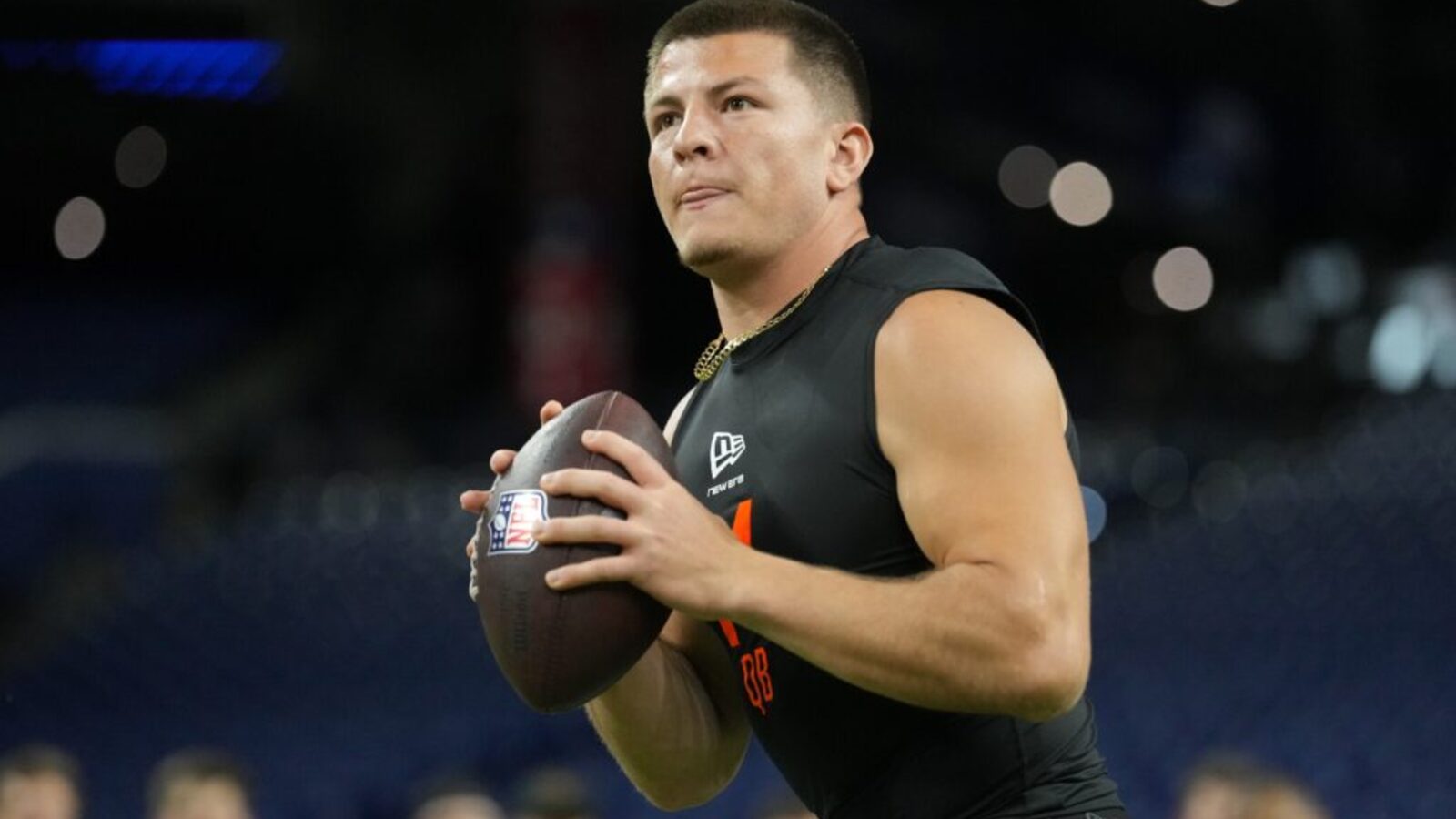
Former Vanderbilt quarterback and recent Heisman Trophy finalist Diego Pavia was just released by the Baltimore Ravens, which leaves him searching for the next chapter in a career that has already defied conventional expectations.
After going undrafted in April and landing a short-lived opportunity with the Ravens under new head coach Jesse Minter, the 24-year-old was waived ahead of training camp, closing what many viewed as his most realistic path to the professional ranks in the United States.
In the wake of that decision, attention has turned to alternative destinations that keep him on a football field or, more provocatively, off it entirely.
Austen Bundy of FanSided has outlined several possibilities, none of which involve an NFL roster.
While opportunities in the Canadian Football League or the United Football League remain viable if Pavia wishes to continue competing, Bundy places particular emphasis on a third route that capitalizes on the personality and online presence the quarterback has already cultivated: becoming a football social media influencer.
Pavias time at Vanderbilt made him more than just a dual-threat signal-caller.
His outspoken demeanor and willingness to challenge the status quo after teams passed on him in the draft generated significant attention, helping him build a following that now stands at roughly 113,000 on Instagram and 21,500 on X.
Bundy notes that this existing audience creates a ready-made foundation for content creation.
Launching a YouTube channel or expanding his current platforms with football-related materialanalysis, skill demonstrations, behind-the-scenes commentary, or the kind of chaotic, personality-driven videos that thrive in the modern sports media landscapecould allow Pavia to maintain relevance and generate income without needing a traditional team contract.
The precedent for such a pivot is already established.
Bundy points to Donald De La Haye, better known as Deestroying, who transformed a college kicking career into a thriving online brand built around skills challenges, trick shots, and collaborations.
That digital success eventually opened doors back onto the field in both the CFL and UFL, driven in part by fan interest and the players own advocacy.
A similar trajectory is conceivable for Pavia.
By leaning into his distinctive style and vocal confidence online, he could not only sustain a career in the public eye but potentially create the kind of pressure or visibility that prompts a professional team to reconsider him down the line.
Of course, the influencer path carries its own uncertainties.
Sustaining audience engagement requires consistency and creativity, and there is no guarantee that digital success would translate into renewed on-field opportunities.
Yet for a player whose NFL window appears to have closed before it fully opened, the option represents a pragmatic acknowledgment of how modern athletes can extend their careers and influence beyond the boundaries of traditional leagues.
Bundys analysis underscores that Pavias combination of name recognition, existing followers, and larger-than-life persona positions him uniquely for this transition, turning what might otherwise be viewed as a setback into a potential platform for reinvention.
Whether Pavia ultimately pursues the CFL, the UFL, or the algorithmic demands of social media, his situation illustrates a broader shift in professional football.
For athletes who fall short of the NFLs narrow pipeline, alternative leagues and digital entrepreneurship are no longer afterthoughtsthey are legitimate destinations.
In Pavias case, the most intriguing of those destinations may not involve a locker room at all, but a camera, a content calendar, and the same unfiltered energy that first made him a college football phenomenon.
More must-reads:.