

 dallasnews
College sports need some help.
For those of us who have watched the spectacle of the last few years especially the Brendan Sorsby spectacle here in Lubbock we know that football has a problem.
So does basketball, field hockey and every other sport trying to navigate new rules that are funneling millions of dollars into collegiate athletic programs.
But lets be honest in Texas, football is king.
U.S.
Sens.
Ted Cruz, R-Texas, and Maria Cantwell, D-Wash., have formulated a fix that will essentially leave college sports more vulnerable than it previously was, while also ramping up viewership costs and barriers for committed fans.
In a rare stroke of bipartisanship, the Protect College Sports Act, commonly referred to as the Cruz-Cantwell Act, found common ground on issues that needed national structure, such as controlling name, image and likeness (NIL); preventing coaches and staff from leaving midseason from one team to coach another; and mandating that schools cover medical costs for the student-athletes.
While those are issues that need attention, weve got bigger problems: namely, media rights and sports gambling.
The Cruz-Cantwell bill addresses media rights, but not adequately.
It prevents lawsuits against the NCAA concerning sports broadcasting.
Section 202 creates a targeted antitrust exemption allowing schools and conferences to voluntarily form a covered entity to pool and sell certain college sports media rights, mirroring the antitrust exemption for the NFL, NBA, MLB, and NHL, provided 75 percent of current FBS schools agree to do so, subject to the bills guardrails.
The sponsors argue that if the conferences pool and sell their media rights the way professional sports do, then it would lead to lower prices for the consumer.
However, copy-and-pasting an NFL- or NBA-style model could end up making viewing options more fragmented.
Fans hate the NBA TV experience, for example.
The League Pass is expensive, comes with numerous local blackouts and doesnt include special streaming games on Peacock or Amazon Prime.
Emulating pro sports is hardly putting fans first.
What makes this provision even more problematic is the role of private equity.
According to reporting by the Associated Press, the Cruz-Cantwell bill was written with the help of private equity investors.
The Cruz-Cantwell bill completely ignores the most troubling issue in collegiate sports right now: gambling.
In the last month, the biggest college sports news had nothing to do with the aims of the Senate bill.
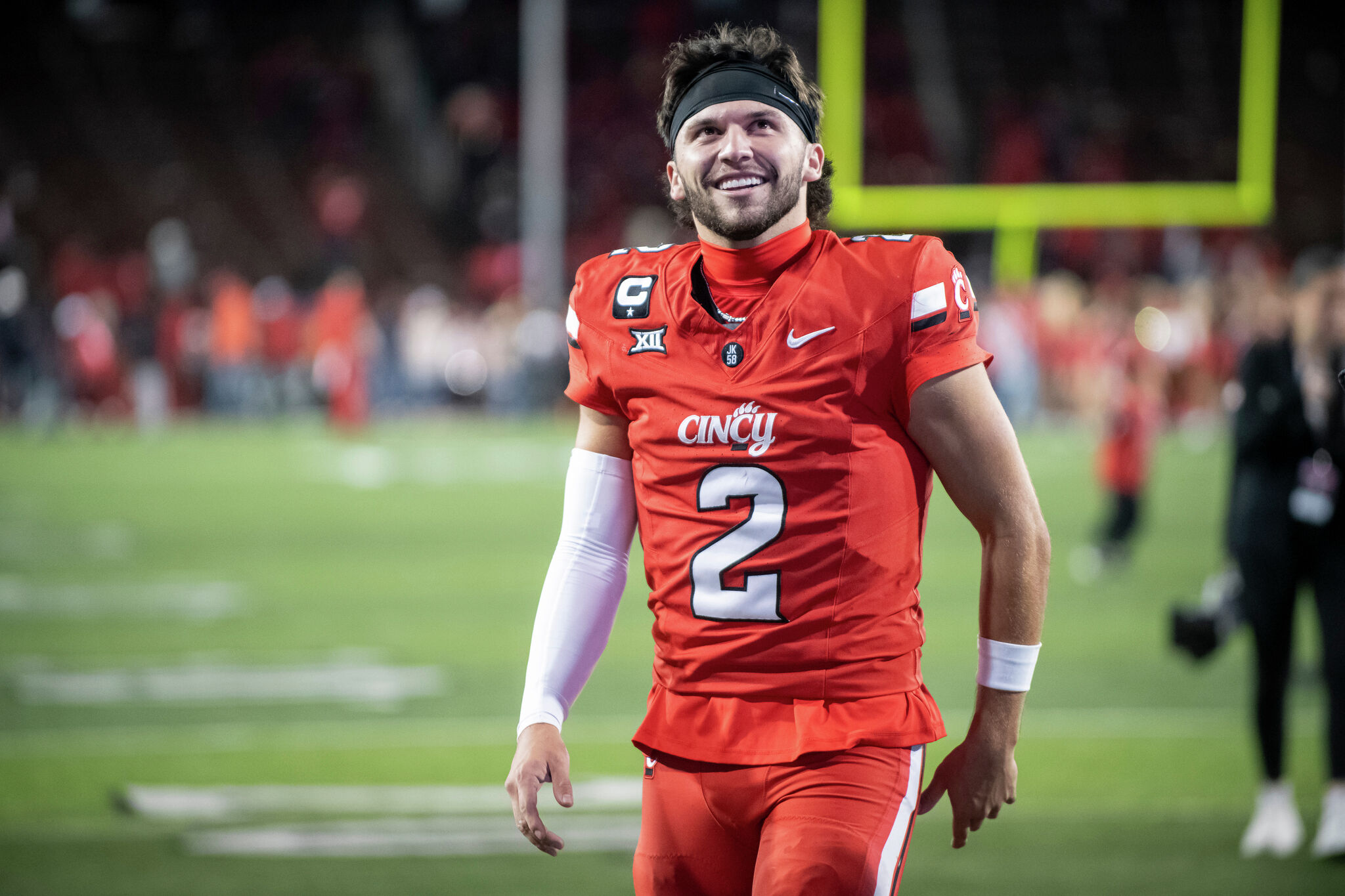
It had everything to do with former Texas Tech quarterback Brendan Sorsby who gambled on his team when he was a redshirt freshman at Indiana University, and made bets while attending the University of Cincinnati and Texas Tech.
Sorsby received permanent ineligibility status from the NCAA.
He sued for an injunction against the NCAAs ruling and it was granted.
He then tried to enter the NFL draft and was denied.
This whole situation, from Sorsbys actions to those who made decisions on how to handle it, exhibits just how broken this system is.
We have no mechanism for enforcement, punishment and protecting the integrity of on-the-field play.
Cruz-Cantwell must take the necessary steps to address gambling during the bills upcoming markup phase.
The bill needs meaningful additions to dissuade private equity firms from getting involved at the expense of the loyal college football audience, and to put an end to gamblers influence on the NCAA.
Until then, Cruz-Cantwell falls 15 yards short of the goal line.
And dedicated fans are the ones who lose.
Drew Landry is an assistant professor of government at South Plains College in Lubbock.
Have thoughts about this? Send a letter to the editor using our letters form or email [email protected].
Letters should be no more than 200 words and include the first and last name of the writer and city of residence.