

 si
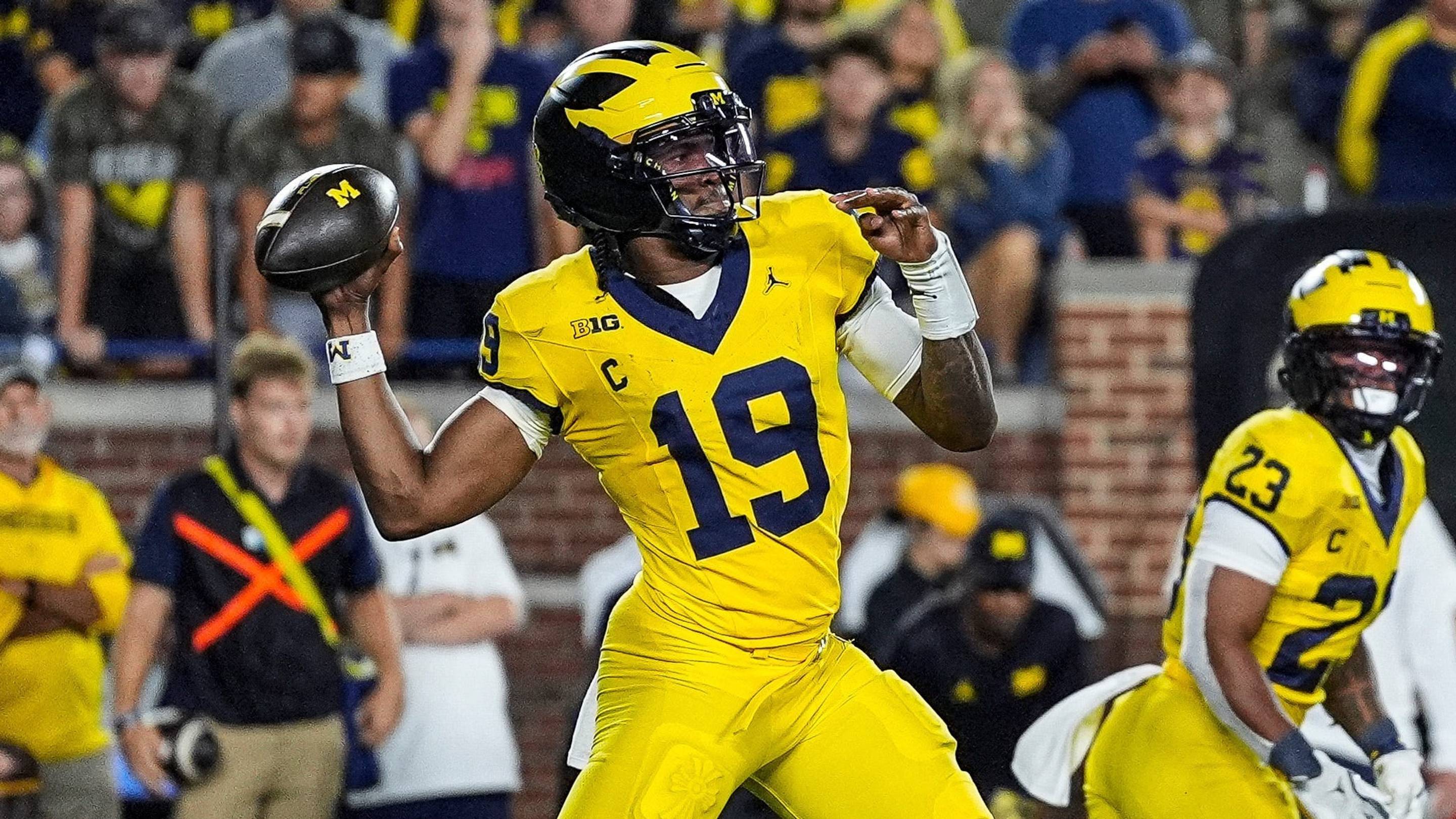
In a game that will be remembered for its controversial ending, Michigan emerged victorious over Western Michigan with a 13-12 score, thanks to a last-second Hail Mary that was made possible by a disputed clock adjustment. The play, which occurred after time appeared to have expired, has ignited a firestorm of debate about the fairness and accuracy of college football officiating.
The pivotal moment came when Bryce Underwood's incomplete pass was reviewed, and officials determined that one second remained on the clock, despite the broadcast showing zero. This decision allowed Michigan to attempt one final play, resulting in a touchdown that sealed the win. Critics argue that the review process was flawed, pointing to procedural errors and a lack of synchronization between the official game clock and the television broadcast time.
Key Analysis
The controversy extends beyond this single game, highlighting systemic issues within college football's officiating structure. The use of conference-specific replay officials in non-conference games creates a perceived conflict of interest, as conferences have a vested interest in the success of their member teams. Additionally, the discrepancy between the official clock and the broadcast clock has eroded public trust, as fans rely on the visible time to understand the game's flow.
Experts suggest that college football could benefit from adopting a national officiating system, similar to the NFL, to eliminate biases and ensure consistency. Furthermore, the sport might consider implementing clocks that display time to the tenth of a second, as used in basketball, to reduce ambiguity in such situations. Until these changes are made, controversies like this are likely to persist, fueling cynicism among fans who already question the fairness of a system that favors the sport's powerful programs.