

 si
si
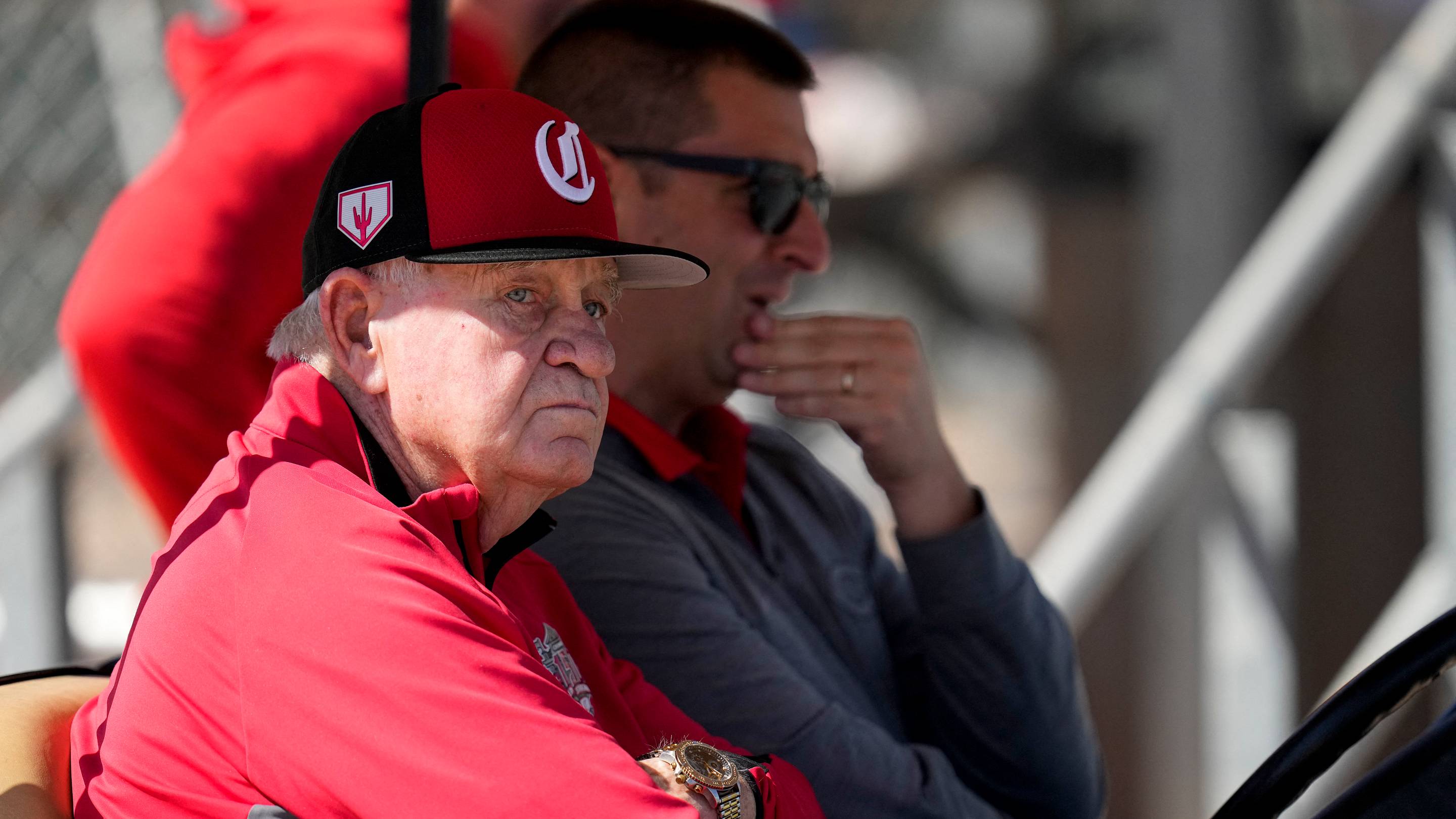
For fans of the Cincinnati Reds, watching the MLB Postseason has become a painful exercise. The Milwaukee Brewers, Cleveland Guardians, and Tampa Bay Rays—teams that operate in similarly small markets—are battling for a title, while the Reds fell far short in 2026. After a surprising 83-win campaign and a playoff appearance in 2025, Cincinnati regressed significantly, managing only 75 victories this past season. That decline has made one thing abundantly clear: the gap between the Reds and the remaining contenders is not just about money or market size.
The Small-Market Dilemma
Cincinnati is the second-smallest television market in Major League Baseball, with Milwaukee being the smallest. Consequently, the Reds cannot rely on the massive local TV revenues that fuel teams like the Dodgers and Yankees. Additionally, the Castellini family, which owns the team, ranks among the least wealthy ownership groups in the sport. Controlling owner Bob Castellini once publicly asked, "Why aren't we the Brewers?"—a question that has haunted Reds fans ever since. Yet, the answer is not simply about ownership.
The Real Separation
While ownership has its flaws, the core issue separating Cincinnati from clubs like the Guardians, Rays, and Brewers is the front office. Those organizations consistently construct competitive rosters despite financial constraints, thriving on smart drafting, player development, and finding value in overlooked areas. The Guardians, for example, won 85 games and a third straight AL Central title in 2026 even as their star, José Ramírez, endured a down year. Ramírez hit just 12 home runs with 53 RBIs and a .235 average in 125 injury-plagued games, yet Cleveland still had enough talent around him to succeed. The Reds' front office, by contrast, has failed to replicate that model. Cincinnati hasn't advanced past the first round of the playoffs since 1995, and fans have grown weary of the lack of progress.
As the sport braces for a potential lockout after the current CBA expires in December, the Reds' faithful deserve a front office capable of putting a competitive team on the field. Until that changes, the separation from the league's small-market success stories will remain as wide as ever.