

 kansascity
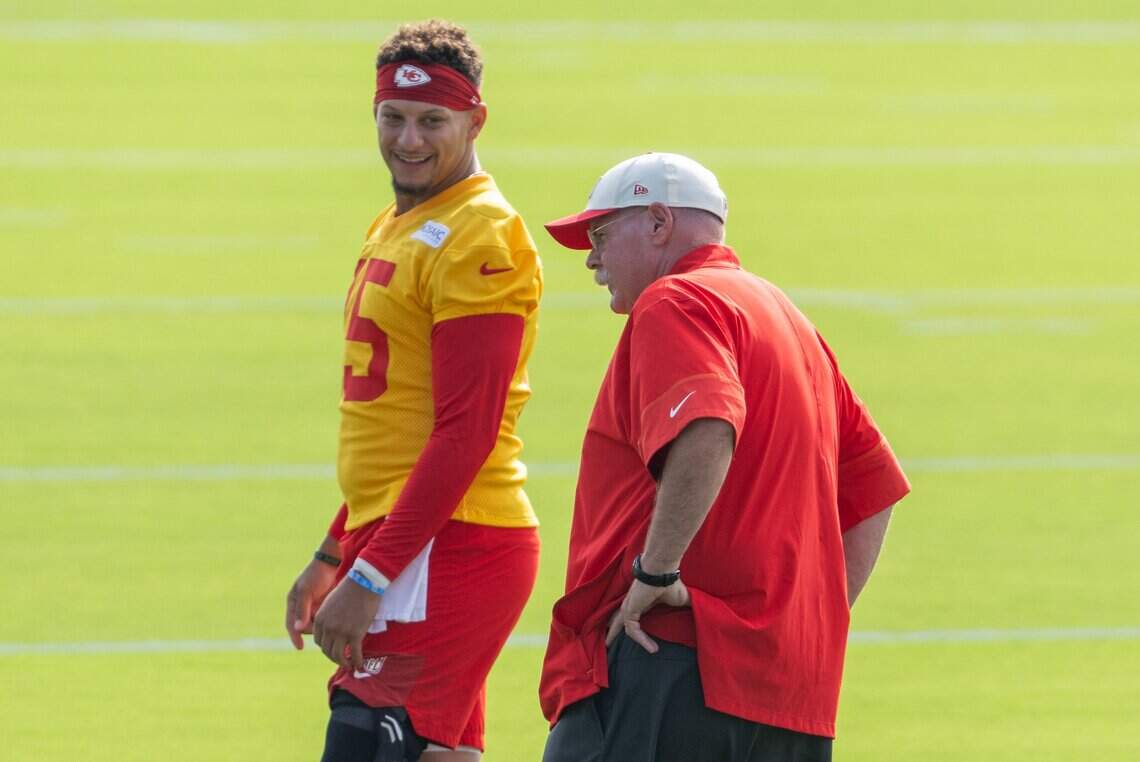
The most significant on-field development of the Kansas City Chiefs' training camp emerged before any player took the field. Quarterback Patrick Mahomes, medically cleared just 48 hours prior to the team's gathering in St. Joseph, addressed the media for 12 minutes, delivering a simple message: he is back. While this serves as the primary on-field storyline, the more critical football narrative of the season belongs to head coach Andy Reid.
This camp will focus on evaluating Mahomes' health, but the season's outcome will be dictated by Reid's offseason introspection. To transform a disappointing 6-11 record into a mere anomaly, the Chiefs must scrutinize their own performance, particularly in the running game. The passing attack's perceived staleness can be traced back to an ineffective ground game, as defenses can easily neutralize the offense when they know the run is not a threat.
The Chiefs' path to maximizing Mahomes' effectiveness lies in pairing his talent with a productive running game. Last season, Isiah Pacheco, when healthy, failed to deliver as a lead back. According to FTN Fantasy data, Pacheco avoided only 14.4% of potential tackles, ranking 48th among 49 qualified running backs, with only Carolina's Chuba Hubbard worse. Kareem Hunt, who shared carries, ranked 44th. This duo placed the Chiefs among the worst in the league in missed tackles forced, contributing to the team's second-lowest explosive rush total. The lack of production also led to fewer running plays, all stemming from the same root cause: inadequate running back performance.
That deficiency has been addressed with the signing of Kenneth Walker, who led the NFL in avoided tackle percentage and ranked fourth in explosive play rate. However, Walker's success comes from a specific style: he thrives on planned rushes, not run-pass options (RPOs). On non-RPO carries, Walker averaged 4.9 yards per carry and amassed over 1,000 yards in the regular season. In contrast, the Chiefs led the league with 155 RPO rushes last year but averaged just 3.7 yards per carry on those plays.
Key Analysis
Reid now faces a critical decision: adapt his offensive scheme to leverage Walker's strengths or risk wasting a $43.05 million investment. Early signs from the second day of camp suggest a shift, with the Chiefs frequently lining up under center even during passing drills. Center Creed Humphrey noted the team's excitement about the new direction, emphasizing a more purposeful running approach. Reid's playful comment about running every down hints at a philosophical change, but the true test will be whether he commits to a more balanced and effective ground game.
The narrative that Reid simply needs to hand the ball off more is incomplete. Last season, Pacheco and Hunt averaged only 3.8 yards per carry despite facing favorable defensive looks. The addition of Walker provides Reid with the opportunity to run more effectively, but it is his responsibility to seize it. The Chiefs' season hinges not just on Mahomes' health, but on Reid's willingness to evolve.
Originally reported by kansascity.