

 kansascity
The latest renderings for the Chiefs' proposed $3 billion stadium present a picturesque scene: autumn leaves framing a packed parking lot of tailgaters and a game played beneath a translucent roof that opens to a bright blue skyline. It's a charming vision, but the simultaneous release of dense, black-and-white documents and agreements this week paints an equally striking picture—the full scope of the deal the Chiefs secured.
For some time, it has been known that Kansas and its top lawmakers offered the Chiefs a sweet deal to leave Arrowhead Stadium after half a century and move 25 miles west across the state line. As it turns out, the latest revelations show a couple more packets of sweetener were thrown in.
The newly released and freshly approved agreements reveal how the Chiefs could fulfill a portion of their commitment to the $3 billion project, if they choose. The public share, which accounts for 60% of the project cost, starts with taxpayers, restaurant-goers, and entertainment seekers. The private commitment, meanwhile, might also start with the same people—this time as season-ticket holders.
One document is almost entirely devoted to the prospect of the Chiefs selling personal seat licenses (PSLs), which is a fancy way of describing an additional and expensive fee passed on to fans. It would require fans to purchase licenses for seats, only to then buy the season tickets for those same seats. This is a lever several other NFL teams have pulled while building new stadiums, including the Bills with their venue that opened this year and the Titans, whose stadium is slated to open in 2027.
But here's the catch in Buffalo, Tennessee, and now likely Kansas City: if the Chiefs do sell PSLs, that money—which totaled in the hundreds of millions in Buffalo—would count toward the Chiefs' private contribution rather than public funding. In other words, fans become part of the team financially.
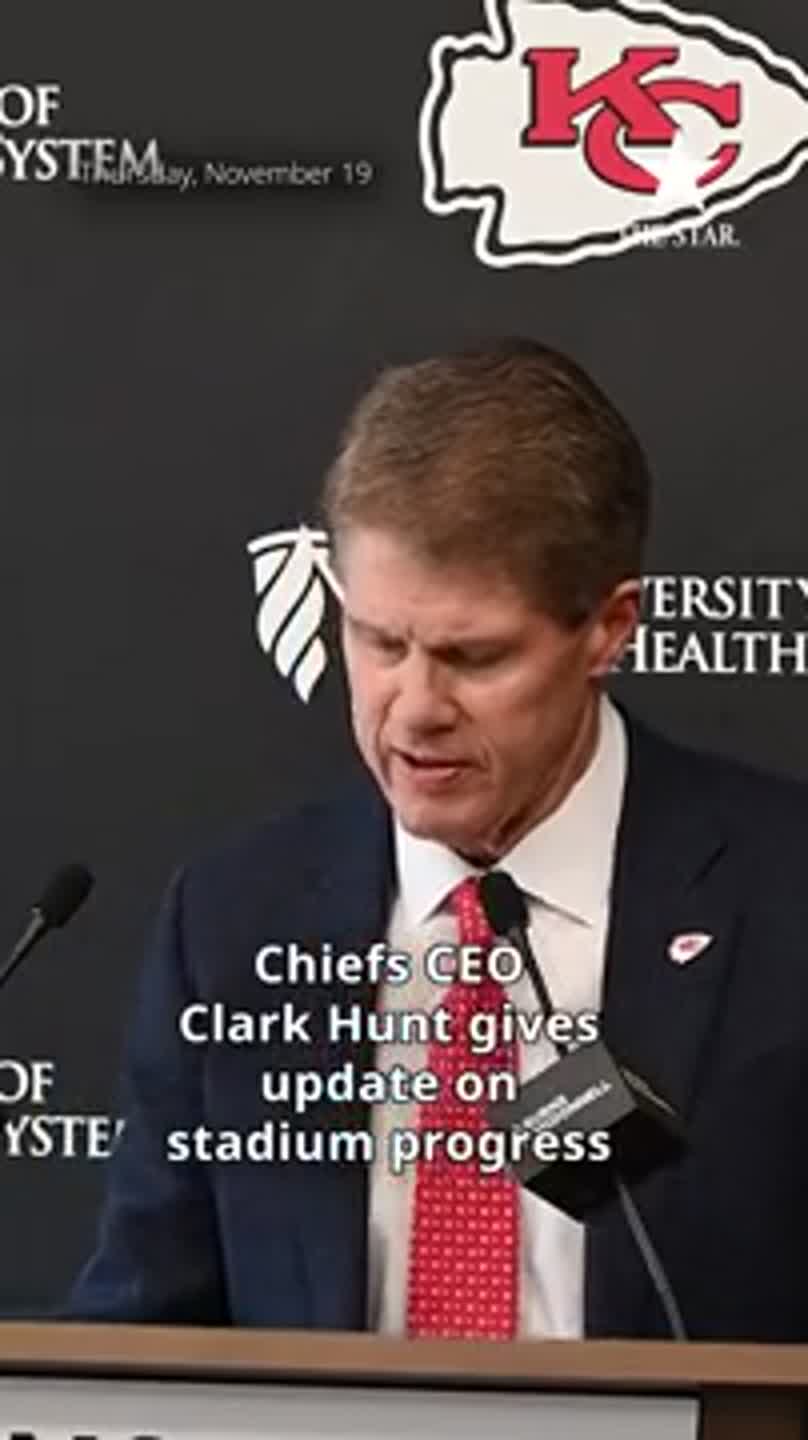
Clark Hunt, Chiefs owner and CEO, declined to commit to PSLs when asked about the possibility Thursday, but a single document included in records made public Wednesday references the possibility sixty-seven times. They're coming.
And what's among the items coming back across the table in return? The state and its designees will have their own suite inside the joint. So those who had no say in a deal that was never put up to a public vote will pay upfront for seats, just for the right to then later pay again for the tickets for those same seats; and those who signed, sealed, and delivered the deal behind closed doors will get a red carpet to the Red Kingdom. There's a fitting image.
That state designees clause is guaranteed as part of a document referred to as a community impact agreement, part of the batch of files released during the first meeting for the Kansas Sports Facilities Authority. The remainder of the community impact agreement reads closer to a summary of the charitable endeavors the Chiefs already provide, rather than a hefty list of new initiatives. Which isn't starting from nothing, by the way. The team has been active in the community, both financially and with player appearances, and that's without a current benefits agreement in place.
Kansas, therefore, secured something in writing. But the evaluations for a strong community agreement—is it specific, measurable, and enforceable?—are absent. Instead, the agreement lands on phrases like 'reasonable efforts,' as in the Chiefs will use reasonable efforts to achieve local hiring goals and develop and implement sustainability plans. Thus, those inside the sprawling STAR bonds district who are set to foot the bill for the public's obligation will be required to feel its effects, and the literal requirement is a reasonable effort to make good on the details.
It's as though the goal all along has been to ensure the Chiefs are happy. That isn't a unique story. This is happening across the country. In fact, if you ask experts who follow this sort of thing whether the Chiefs received the best deal in the NFL, they will immediately point out what the Commanders just received from Washington, D.C. They will debate other possibilities.
In Kansas City, the full-fledged documents show a team that will not be on the hook for property taxes and will receive incentive taxes from miles and miles away. They will have plenty of mechanisms to supplement the more than $1 billion in private investment they plan to make. It paints the clearest picture to date of how the Chiefs could leave behind a historic Arrowhead Stadium. The pastures on the other side of State Line Road are a particular shade of green.
Key Analysis
The Chiefs' stadium deal exemplifies a growing trend in professional sports where public funds heavily subsidize private ventures while teams secure favorable terms. The reliance on PSLs shifts the financial burden onto fans, and the community impact agreement's vague language raises questions about accountability. As other cities like Washington, D.C., set new benchmarks, the Chiefs' deal may be scrutinized for its balance of public benefit versus private gain.
Originally reported by kansascity.