

 cbssports
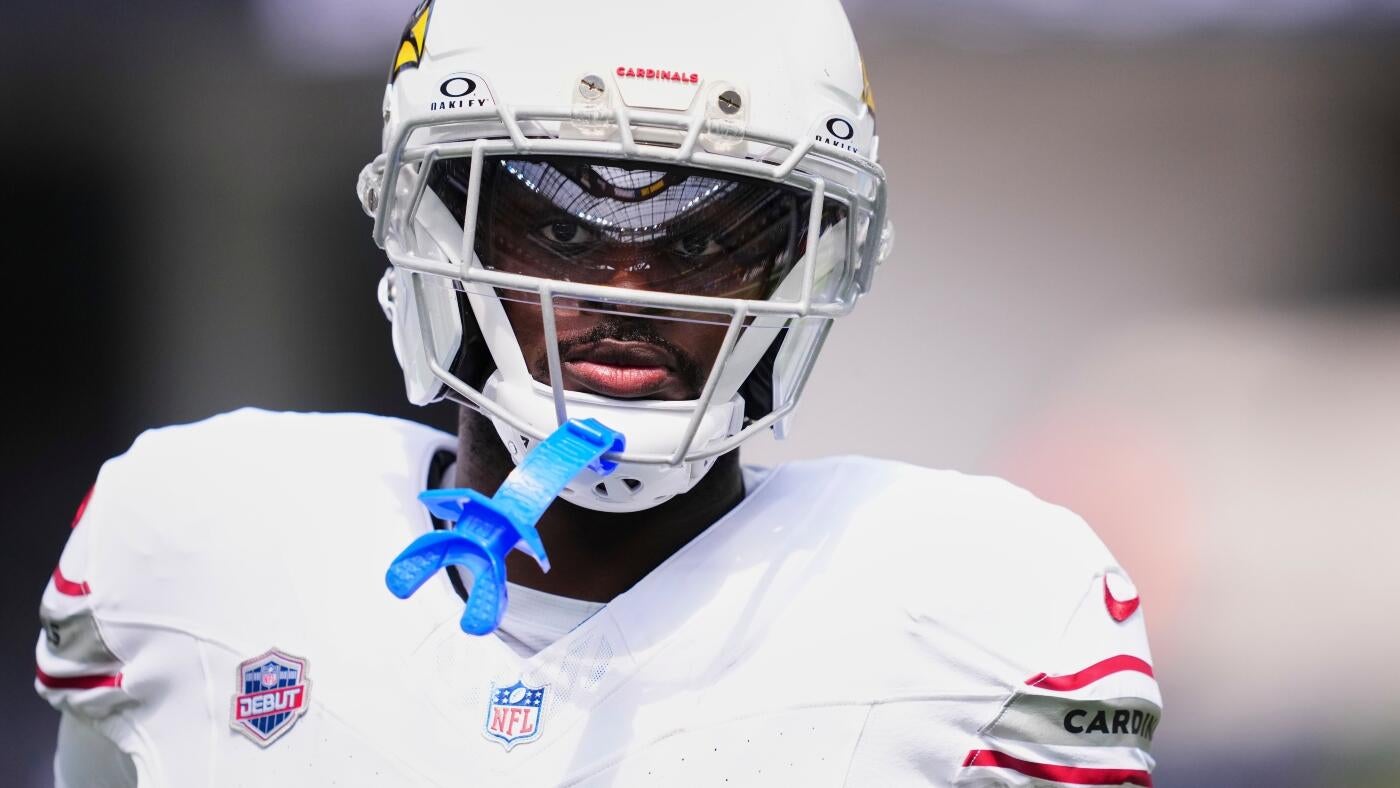
Before the 2026 NFL Draft, first-year head coach Mike LaFleur faced scrutiny over his team-building philosophy and which foundational players he would target for the Arizona Cardinals. The offensive line was widely expected to be a priority for the offensive-minded coach, but was there a prospect worthy of the No. 3 overall pick, or was taking the best player available the smarter strategy? It wasn't until the final month before the draft that Notre Dame running back Jeremiyah Love began to be linked to Arizona.
That connection sparked a debate: could the Cardinals afford to use such a high pick on a luxury position when the roster had so many other needs? The Las Vegas Raiders selected Ashton Jeanty at No. 6 overall in 2025, and the team regressed the following season. Now, with the regular season nearly halfway complete, the question lingers: was Arizona justified in taking a running back at No. 3?
Love's Impact and the Opportunity Cost
The rookie from Notre Dame has appeared in five games this season but has missed time with a high ankle sprain. Through Week 7, he has been on the field for 34.4% of the offensive snaps. In those snaps, he has recorded 67 carries for 245 yards (3.7 yards per carry) and one rushing touchdown, along with 11 receptions for 36 yards and one touchdown through the air. Free agent addition Tyler Allgeier has shouldered a portion of the workload.
At 6-foot, 212 pounds, Love is an upright runner who shows patience in letting blocks develop and follows them. He displays excellent vision and has the skill set to stay on the field for all three downs. He stands tall in pass protection and takes on incoming rushers but inconsistently sustains blocks and leaks out into routes. However, among running backs with at least 50 carries, Love ranks last in tackle avoidance rate (6.0%), according to TruMedia.
Love has been a good player, yet the Cardinals are 2-5. Suggesting that a team in Arizona's position should not take a running back is not a knock on Love's talent but a reflection of the opportunity cost. The value of his contract is fourth-highest among running backs and includes the largest guarantee at the position. By comparison, the contract of Carnell Tate, who was taken one pick later, ranks No. 10 among wide receivers and is second-most on his own team. Had the Cardinals selected the highest-drafted offensive tackle (Spencer Fano) or Arvell Reese, those contracts would have been more valuable to the team and arguably more impactful on the field.
The situation is comparable to Jeanty's in Las Vegas last season. A running back should be the whipped cream or cherry on top of an offense. The offensive line must be sound, and the quarterback must be able to threaten downfield so that defenses are not stacking the box. If those roles are intact, then a team would be justified in using a high selection on the position regardless of the defense's competency.
Long-Term Outlook
Is Love one of the league's elite running backs? Perhaps not, but he will be a key contributor through his rookie contract at the very least. As a draft prospect, he looked like an improved, more patient version of Travis Etienne, but it would be unfair to place a ceiling on him until Arizona adequately addresses the offensive line. Ironically, a previous stance against running backs has softened. NFL teams have shown more willingness to extend running backs beyond their rookie contracts. Running backs are also playing into their late 20s and early 30s, which has slowly eroded the longevity argument. As the run game evolves, the value of the position should rise.
Originally reported by cbssports.