

 si
si
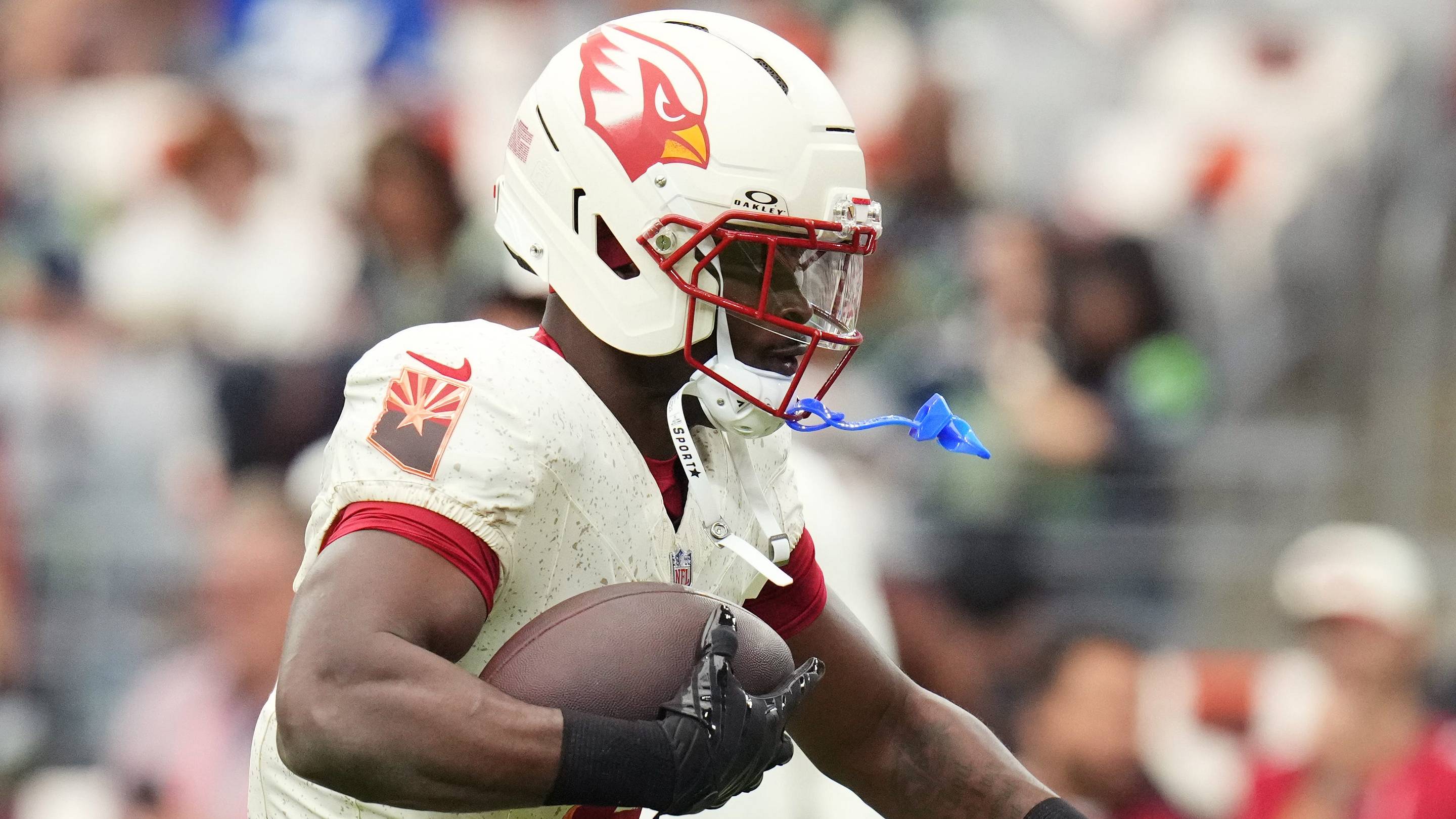
Two weeks into the NFL season, the Arizona Cardinals are making headlines for reasons beyond their play on the field. Speculation about quarterback trades and the development of Marvin Harrison Jr. has dominated conversations. However, the team has a chance to quiet the noise when they travel to San Francisco to face the 49ers this week.
While off-field narratives persist, a critical on-field issue demands attention: the Cardinals' inability to run block. Through two games, Arizona's rushing attack has been virtually nonexistent, and the numbers paint a grim picture. The team's average of 0.6 yards before contact per rush ranks among the bottom five in the NFL, indicating a lack of push at the line of scrimmage.
This deficiency has far-reaching consequences. Without a reliable running game, the Cardinals cannot wear down opposing front sevens, control the clock, or maintain possession. They often find themselves in obvious passing situations, unable to keep their defense off the field. The importance of a strong run game is evident from last year's playoffs: of the eight divisional round teams, only the Houston Texans (ranked 32nd) were outside the top half in ESPN's run-block win rate metric. The conference championship games featured teams ranked 12th (New England), 4th (Denver), 8th (Seattle), and 2nd (Los Angeles Rams) in that metric. Through two weeks, the 2026 Cardinals rank 24th, and they are one of ten teams averaging fewer than 95 rushing yards per game.
Of course, facing a defense like Seattle's can skew these numbers, but such is life in the NFC West. Offensive coordinator Mike LaFleur is tasked with finding solutions. When asked about the run game, LaFleur told reporters, "There's certain aspects of our run game that I think we've done a decent job at where we can improve. Then there are other areas of our run game where I think we can get a lot better. Work in progress is the way I kind of summed it up; whether that was Monday or last week. I still feel that way (and I'm) excited to get after it today."
The good news is that it's only Week 2, and the Cardinals are still improving. They have talented running backs in Jeremiyah Love and Tyler Allgeier, and the passing attack boasts plenty of weapons to keep defenses honest. The focus now shifts to the offensive line, which underwent several changes this offseason. Arizona signed Isaac Seumalo to start at left guard and Elijah Wilkinson at right tackle, then drafted Chase Bisontis in the second round to compete at right guard. The early returns have been underwhelming: Bisontis is likely out for the season with a torn meniscus, while the right side duo of Isaiah Adams and Wilkinson has struggled. Seumalo has neither stood out nor been a liability.
There's no magic wand to fix the offensive line, but LaFleur admits there are coaching adjustments that can help. "Across the board, we have to call better plays, and we have to get better clarity to these guys," he said. "That fine balance of calling two plays in what we call our Cam Package. Sometimes it's 'Hey, let's get into the perfect play.' Other times it's like, 'Don't worry about the perfect play. Let's get off the ball and get on people.' It takes all 11 in the run game, but it also takes good scheme and the right time of calling these plays."
Play-calling might be the most viable lever to pull. Aside from inserting Jon Gaines at right guard or making a surprise move for an upgrade at right tackle, Arizona is essentially stuck with its current personnel. The Cardinals rank near the top of the league in pre-snap motion but near the bottom in play-action usage. While the two may not directly correlate, if defenses aren't kept honest when reading run/pass keys, Arizona is already at a disadvantage. It's a simple question that demands complex answers—but one the Cardinals must solve if they hope to return to the win column.