

 si
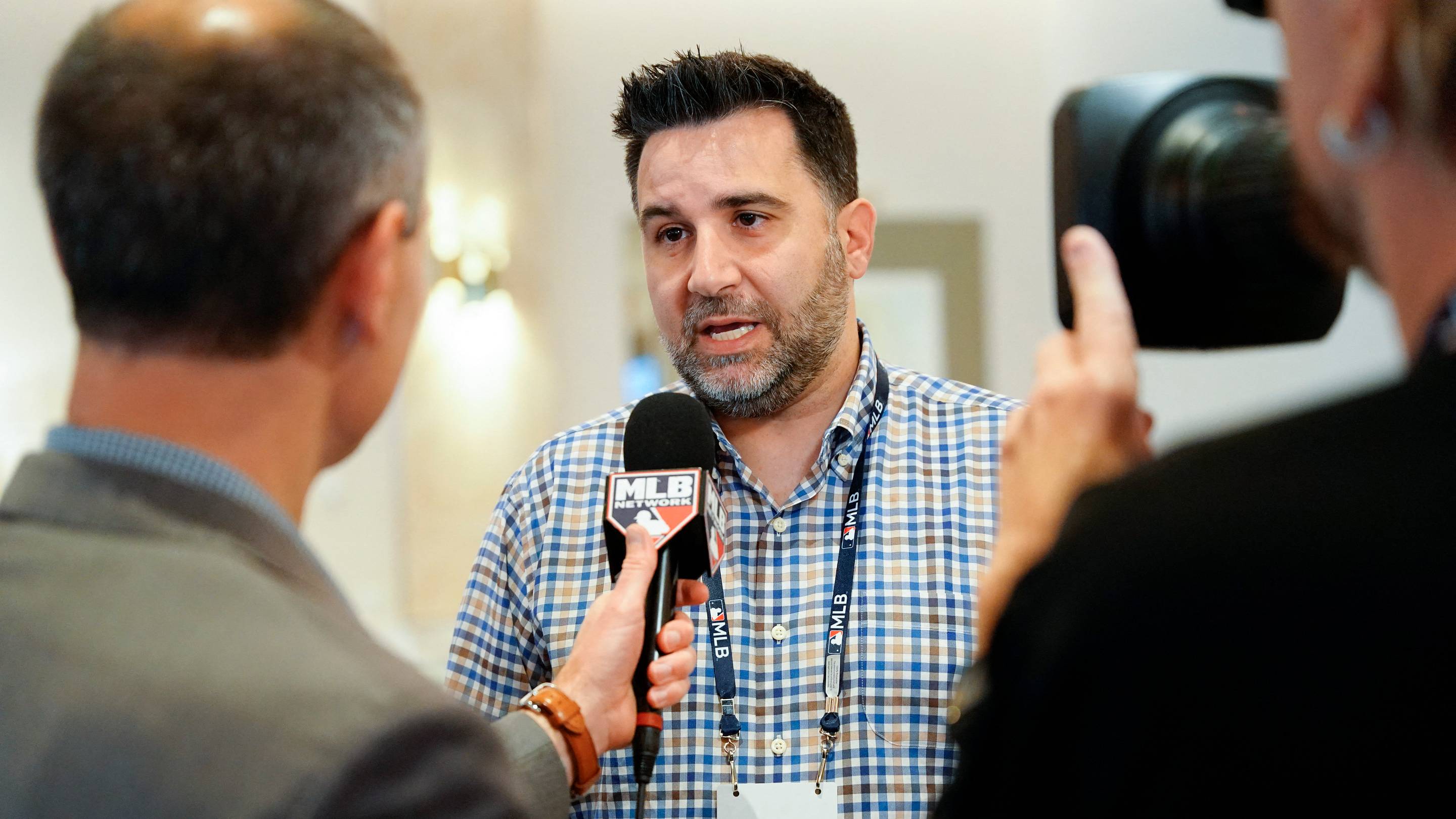
The Atlanta Braves are heading into an offseason that is expected to be unlike any other, primarily due to the looming expiration of the collective bargaining agreement (CBA) on December 1 at 11:59 p.m. ET. If Major League Baseball and the Players Association fail to agree on a new deal, team owners are anticipated to impose a lockout, which would halt all major league transactions until a resolution is reached.
During an appearance on the All The Smoke podcast with Matt Barnes earlier this season, MLB Insider Jeff Passan did not mince words about the likelihood of a lockout. He stated it is not just probable—it is happening. This view is not merely Passan's opinion; it reflects the widely accepted expectation across the industry. Proposals involving a salary cap, a salary floor, and significant modifications to free agency, the draft, and the number of games have intensified labor discussions, and the MLB Players Association is resistant to many of these ideas.
While the intricacies of the negotiations are beyond the scope of this analysis, it is worth examining what this means for the Braves, as the offseason calendar could become significantly tighter. Normally, players become free agents the day after the World Series ends, and all 30 teams can sign them about five days later. That would typically give general manager Alex Anthopoulos the entire month of November and most of December to assess the market, wait for prices to stabilize, and execute his plan. This year, however, he may have only about a month before a potential shutdown.
The tender deadline falls in mid-November, and the Winter Meetings, scheduled for December 7 to December 10, would likely be canceled in the event of a lockout, as was the case during the previous work stoppage five years ago. Could this force the Braves to be more aggressive in the early weeks of free agency? Atlanta certainly has plenty of needs to address. The team requires additional starting pitching depth, a more reliable bat in left field, and clarity in the middle infield. They also must decide on several of their own free agents, with Tyler Mahle and Mauricio Dubón among the most prominent names.
Mahle recorded a 1.99 ERA over nine appearances after joining the Braves from San Francisco and has expressed interest in returning. Dubón evolved from a modest trade acquisition into one of Atlanta's most valuable players in 2026, finishing as a finalist for his third career Gold Glove Award. Both are exactly the type of players another team might target once free agency opens, and both are familiar, productive pieces that would check two items off Atlanta's to-do list.
Key Analysis
If the labor situation compresses the calendar, the Braves should lean toward securing their own guys first. Re-signing proven, familiar contributors establishes certainty, and certainty is invaluable when a team may suddenly be unable to make a move for weeks or even months. The last lockout, in the 2021-22 offseason, did not end until March 10, resulting in a shortened Spring Training and a one-week delay to Opening Day. That is a long time to sit on unresolved roster holes.
There is a counterargument, and it is a strong one. Moving too quickly can lead to overpaying or committing to a player before having time to evaluate internal options, especially pitchers returning from injury. The league has seen what happens when a team invests heavily in one player without sufficient certainty or depth behind him. As has been written about with Ha-seong Kim, a big commitment that does not pan out can ripple through the rest of the roster. A rushed decision about a pitcher with an injury history could be equally costly.
So how should Anthopoulos balance it? The Braves can afford to be decisive on players they already know and trust, like Mahle and Dubón, while staying disciplined on bigger, riskier additions. Giving up a little negotiating flexibility to lock in two proven pieces is a trade worth making. Giving up a lot of flexibility to rush into an expensive outside deal that is not certain is not. To be clear, there is no indication that Anthopoulos plans to change his approach because of the labor situation, and a lockout is still only a possibility. But the Braves' offseason now has a clock hanging over it, and the teams that handle the calendar best may be the ones who come out ahead.