

 si
The Philadelphia Phillies face a critical offseason as they aim to reestablish themselves as contenders in the National League. After a midseason managerial change, Don Mattingly guided the team to a 79-55 record following a 9-19 start under Rob Thomson, but the club still has gaps to fill.
A late-season slump and a brief playoff appearance exposed persistent issues: inconsistent offense and a shaky bullpen. The Phillies were ousted in the Wild Card Round by their NL East rivals, the Atlanta Braves, in three games, highlighting the need for roster upgrades.
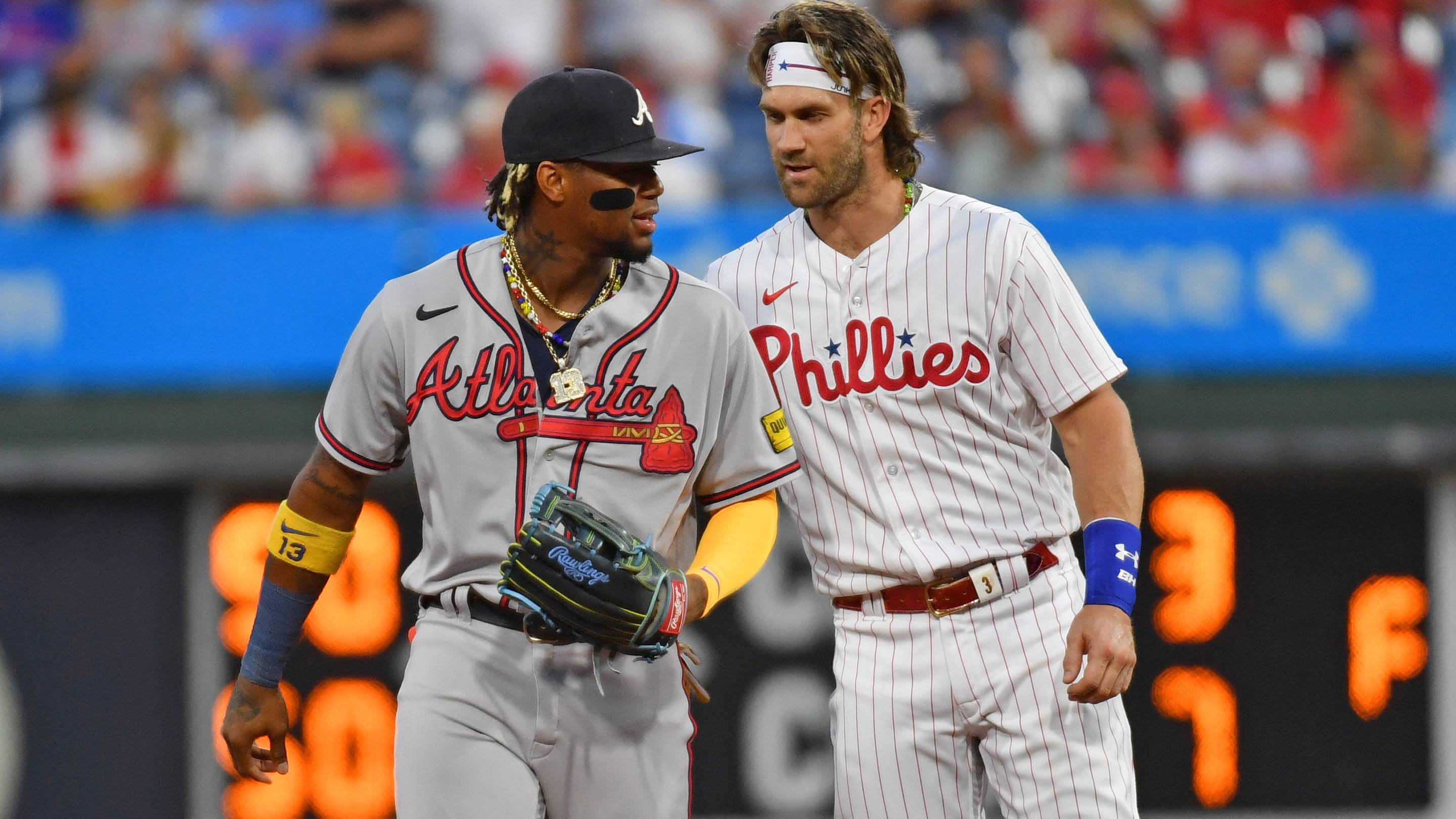
Could Philadelphia look to its division rival for help? Bleacher Report's Zachary D. Rymer has floated a blockbuster trade that would center on each team's superstar. The proposal would send 2023 NL MVP Ronald Acuña Jr. to the Phillies, with two-time NL MVP Bryce Harper and shortstop prospect Bryan Rincon going to the Braves.
If such an offer were presented to Phillies President of Baseball Operations Dave Dombrowski, he would have to weigh the significant implications. The deal would cost Philadelphia another highly-touted prospect but could address multiple needs.
The current Phillies core is another year older and coming off a disappointing campaign. Swapping Harper, who is now 34, for Acuña, who turns 29 in December, would inject youth into the roster. The trade would also fill the team's biggest lineup need: the outfield. Additionally, Acuña's right-handed bat would help balance a lefty-heavy lineup.
Financially, the move would benefit Philadelphia. Acuña has only $34 million in club options remaining on his contract, while Harper has five years and $125 million left on his deal. However, Acuña's injury history since his MVP season raises concerns, which could give the Phillies pause. Still, his talent and ability to address multiple needs make the deal appealing.
Nevertheless, a trade of this magnitude between division rivals seems far-fetched. While it would generate headlines and chatter, seeing Acuña in a Phillies uniform and Harper in a Braves uniform is highly unlikely.