

 si
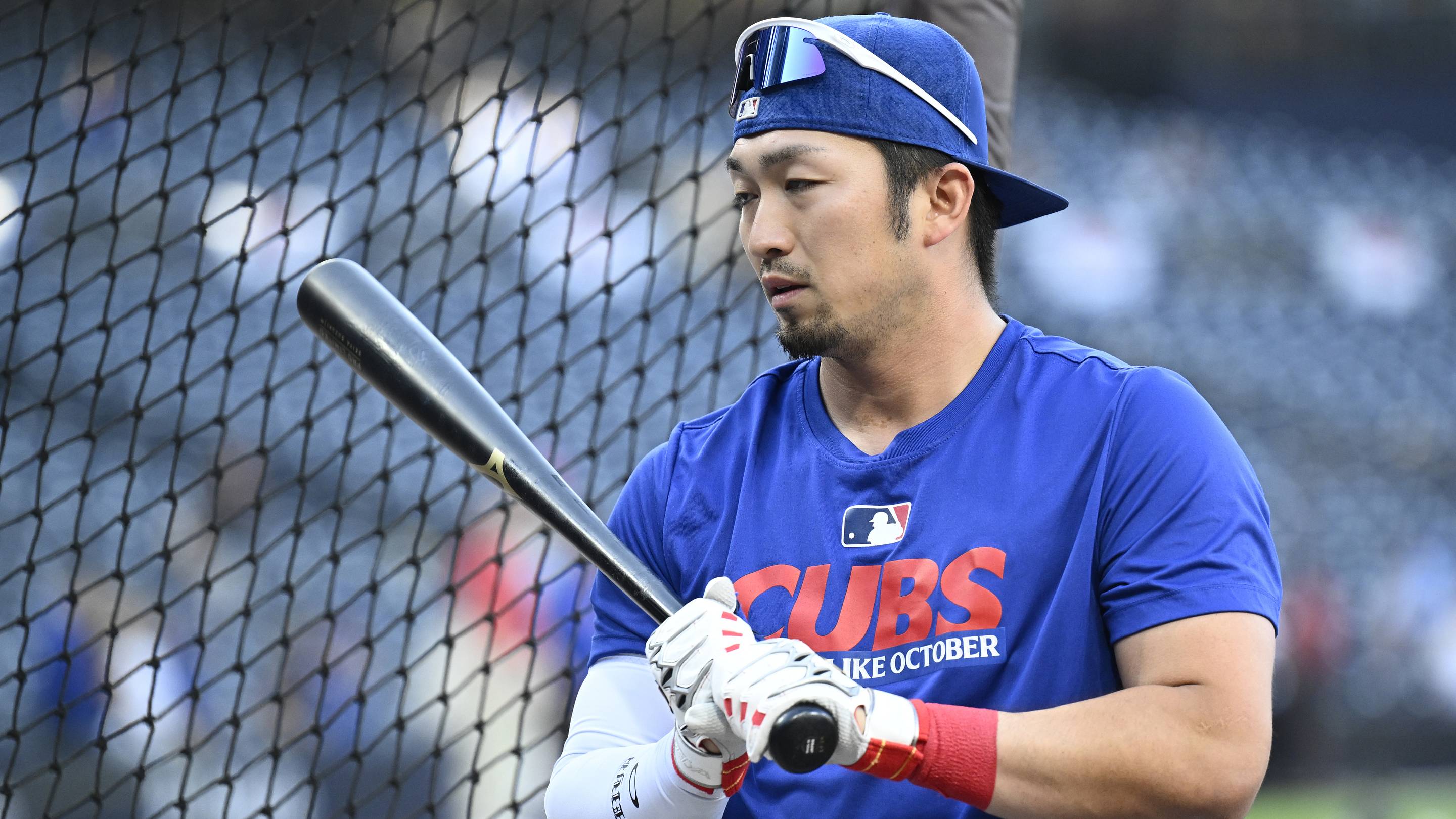
Seiya Suzuki is an exceptional baseball talent, and any team aiming to contend for a World Series title within the next two to three years should aggressively pursue him in free agency this offseason. However, for the Los Angeles Angels, signing the Japanese slugger would be a misstep.
On the surface, Suzuki appears to fill several glaring needs for the Angels. Right field is a clear void following the trade of Jo Adell, and the lineup could benefit from a 5.1 bWAR player who posted a 130 OPS+ last season. But when considering the bigger picture, committing to the premier free agent would be a mistake.
The Draft Capital Penalty: Navigating a Record Qualifying Offer
With a farm system that is improving but still lacking in position player talent, the Angels must use this offseason to build a foundation for a sustained winning window in the near future. If there is one mistake the Angels must avoid, it is signing a player with a Qualifying Offer attached that would cost them draft capital and slow down the rebuild.
The first major obstacle to a potential pairing is not the direct salary—it is the luxury tax and draft compensation tied to his market entry. Chicago is widely expected to extend Suzuki a qualifying offer. This winter, that figure rises 5.1% to a historic $23.15 million, the highest single qualifying offer in Major League Baseball history. Suzuki is virtually guaranteed to decline the one-year tender to secure a larger, long-term deal on the open market. Consequently, any team that signs him will forfeit crucial draft picks and international signing bonus pool space. In the Angels' case, they would lose their second overall pick and $500,000 in international signing bonus money. Last year, the Angels drafted NCAA batting champion Jarren Advincual with their second overall pick. For a franchise deeply committed to cultivating a robust farm system, burning top-tier draft capital simply to enter negotiations directly contradicts the organization's philosophy.
Misaligned Timelines: Suzuki's Age Curve vs. the Angels' Core
Beyond the structural penalties, Suzuki's personal timeline does not fit with the current trajectory of the Angels' building blocks. Suzuki turned 32 this past August. While his defensive metrics took a giant leap forward as a Gold Glove finalist in right field, projection systems heavily flag the natural regression curves hitting position players as they reach their mid-30s. Adding a declining Suzuki in right field alongside a declining Mike Trout in left field is a recipe for poor defense and likely multiple IL stints. Only one of them can occupy the DH spot at a time, meaning at least one would need to be on the field every game. And with lefty Moises Ballesteros brought in to split time behind the plate and at DH, adding Suzuki would clog up the roster quickly.
Furthermore, the team is currently structured around Reid Detmers and Zach Neto, with a very talented group in Double-A expected to reach the big leagues in the coming years. The Angels are likely looking at having a solid foundation around the time Suzuki's skills severely decline.
The True Financial Cost of a Shallow Free Agent Class
Finally, the sheer dollar amount required to land Suzuki will be artificially inflated by a distinct lack of impact bats on the open market. Early industry projections price Suzuki at a multi-year deal hovering around four years and $110 million, with some experts predicting a push toward a five-year, $150 million commitment. For a team that has spent years unburdening itself of high-priced contracts for declining veterans, walking right into a new one on Suzuki would be a mistake. The team has too many holes to dedicate $25 million-plus per year to right field at the moment, and that financial commitment could hinder extensions for young players and/or bringing in much-needed talent to supplement a young team ready to win in 2028 or 2029.
Adding a huge contract while sacrificing draft capital is exactly the opposite of what the Angels need to do right now. If the team is going to fish in the big-name pond this offseason, targeting players such as Freddy Peralta and Luis Arraez, who do not impact next year's draft, makes much more sense.