

 si
The 2026 season is shaping up to be a banner year for the Prospect Promotion Incentive (PPI), with as many as three MLB teams potentially earning a draft pick at the end of the first round. This would mark the highest single-season total since the incentive was implemented in the 2022 Collective Bargaining Agreement. The 2026 campaign is also the fifth and final year of the current CBA, making the potential outcomes even more noteworthy.
According to Baseball America's Matt Eddy, 97 prospects met the prospect list requirement in 2026, and 15 of them have retained PPI eligibility through the season. The PPI was designed to encourage teams to promote top prospects and prioritize player development, and its impact has been evident in each of its first five seasons.
How the Prospect Promotion Incentive Works
To qualify for the PPI, a prospect must be ranked on at least two of the three major Top 100 lists: MLB Pipeline, Baseball America, or ESPN. While the players who typically earn PPI picks are near the top of those lists, recent seasons have seen some lower-ranked prospects achieve the feat. A team receives a pick at the end of the first round if its PPI-eligible prospect accrues a full season (172 days) on the active roster during his rookie year and either wins the Rookie of the Year award or is named a finalist (top three) for the MVP or Cy Young Award before becoming arbitration-eligible. Each player can earn only one PPI pick for his team while eligible.
Why Three Picks Are Possible in 2026
In every season since the PPI's inception, at least one player has earned his team a pick. Here is a year-by-year recap of the winners:
- 2022: Julio Rodríguez (Mariners/AL ROY)
- 2023: Corbin Carroll (Diamondbacks/NL ROY) and Gunnar Henderson (Orioles/AL ROY)
- 2024: Bobby Witt Jr. (Royals/AL MVP Finalist)
- 2025: Drake Baldwin (Braves/NL ROY) and Hunter Brown (Astros/AL CYA Finalist)
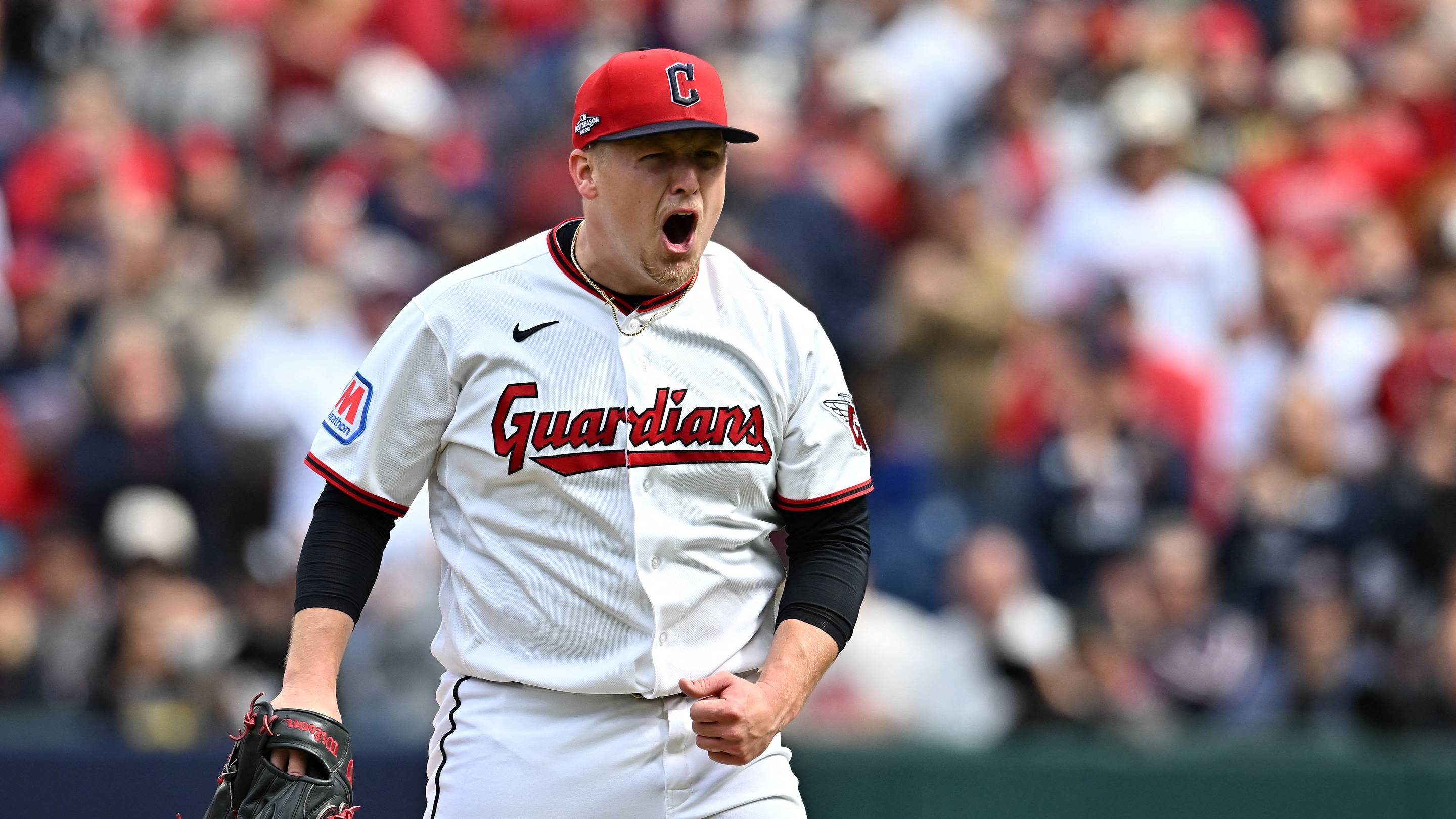
For 2026, the Guardians are guaranteed a pick for Parker Messick, who was named an American League Cy Young Award finalist. Whether Messick also wins Rookie of the Year is irrelevant for the PPI, as the team can only receive one pick per player. The other two potential picks hinge on the Rookie of the Year races. In the National League, the winner is guaranteed to net his team a pick, as JJ Wetherholt, Sal Stewart, and Carson Benge were all qualifying prospects. In the American League, the third pick depends on whether Kevin McGonigle can beat out Messick for Rookie of the Year. If McGonigle wins, it would mark the first time three teams receive PPI picks in a single season.
Over the first five seasons, a total of nine draft picks will have been awarded through the PPI. While teams already have a natural incentive to promote top prospects, the additional premium draft capital provides a significant boost to team-building efforts. The three additional picks would be added to the end of the first round, with projected spots likely in the No. 28-30 range of the 2027 MLB Draft, depending on whether the Mets and Blue Jays receive lottery picks that cannot be moved down.
How Teams Have Benefited
The PPI has rewarded teams that excel at identifying, drafting, and developing young talent. Beyond the draft picks, five of the six players who have earned a PPI pick also played in the postseason that same year, with Drake Baldwin being the lone exception (though he reached October baseball the following season). All six players have made at least one MLB All-Star team in their careers. Additionally, the PPI may have an unintended consequence: teams appear more willing to extend players at a younger age. Witt, Rodríguez, and Carroll all signed long-term extensions with their current clubs in the same year they earned PPI picks. Depending on how the 2026 Rookie of the Year races unfold, that list could grow to five players with Wetherholt and McGonigle.
Given its success and mutual benefits, the PPI is expected to be part of the next CBA and beyond. It gives teams extra premium draft slots and access to needle-moving talent at a discount, while the players' union benefits from top prospects reaching the majors in more ideal circumstances to establish themselves and earn more money.