
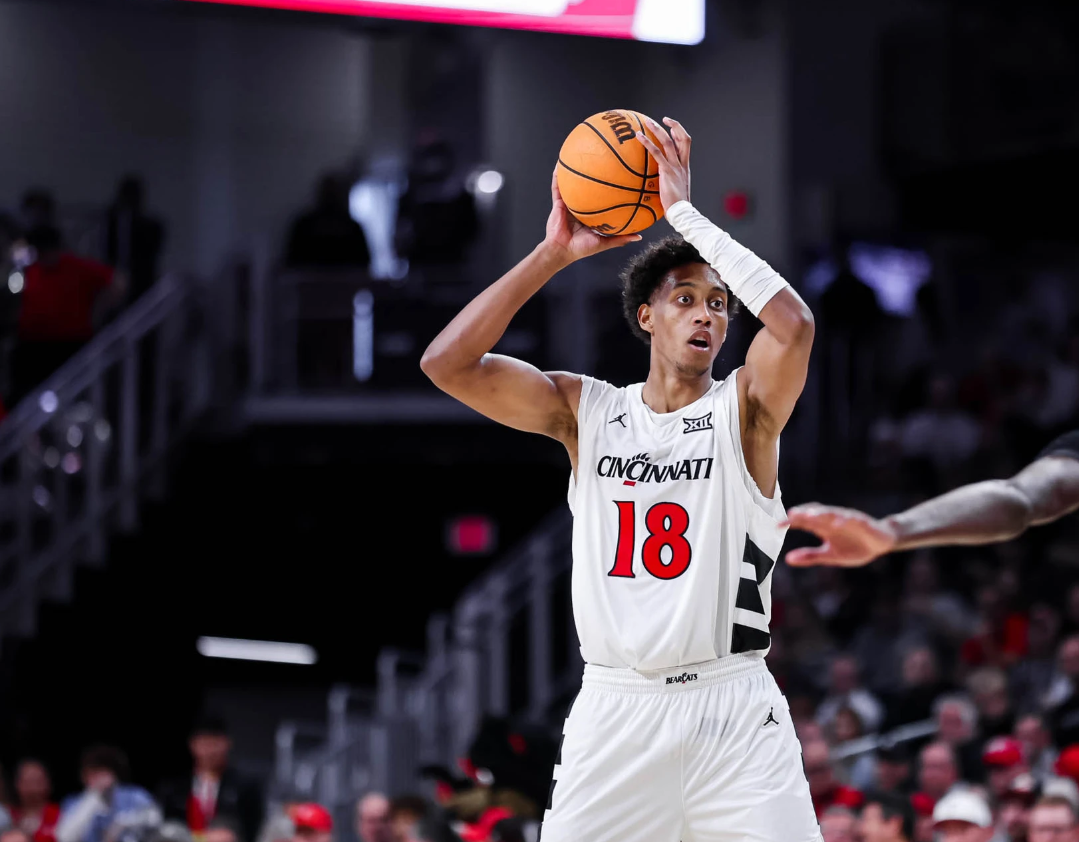
Few conference games set the tone the way this West Virginia vs Cincinnati matchup does. Both teams are fighting through a demanding Big 12 schedule, both rely far more on defense than explosive offense, and both understand that every possession matters. This is the kind of game where pace, physicality, and execution decide the outcome more than highlight plays. If you enjoy disciplined basketball and close finishes, this one checks every box.
As tipoff approaches, the data points clearly toward a slower, lower-scoring contest. When you combine tempo, efficiency, roster makeup, and recent performance, one theme stands out consistently: this game is far more likely to be controlled and methodical than wide open.
Team Overview and Season Context
West Virginia enters this matchup with a strong overall record and an identity rooted in defense. The Mountaineers do not rush possessions, they value positioning, and they are comfortable winning games in the 60s. Their offense can be inconsistent, but their defensive effort travels well, even on the road.
Cincinnati, meanwhile, has endured a tougher road through conference play. The Bearcats are competitive, physical, and disciplined, but injuries and rotation changes have limited their offensive ceiling. What has not changed is their commitment to defense and rebounding, especially at home.
Both teams understand the importance of this game within the Big 12 standings. Neither side wants a track meet. That shared mindset matters when projecting how the game will unfold.
Offensive Efficiency vs Defensive Structure
From an efficiency standpoint, neither team profiles as an elite offensive unit. West Virginia averages just over 70 points per game, but that number comes with a slower pace and lower shooting efficiency. Their primary scorers rely on volume rather than elite shot-making, and turnovers remain a concern.
Cincinnati scores at a similar rate, but their offense is heavily dependent on ball movement and interior efficiency. When the Bearcats face strong half-court defenses, their scoring often drops noticeably.
Defensively, both teams are far stronger. Cincinnati grades as a top-tier defensive team in multiple advanced systems, while West Virginia ranks well above average and excels at forcing opponents into difficult shots late in the shot clock. When two defense-first teams meet, scoring opportunities naturally shrink.
Tempo: The Most Important Factor in This Matchup
Tempo is the foundation of this game projection. West Virginia plays at one of the slowest paces in major college basketball. They deliberately shorten games, reduce possessions, and force opponents to execute in the half-court.
Cincinnati is capable of playing faster, but against slow-tempo teams, the Bearcats consistently adjust downward. When Cincinnati faced similar opponents this season, total possessions dropped significantly, and final scores followed suit.
With both teams comfortable grinding through long possessions, the pace alone strongly supports a lower total outcome.
Rebounding and Shot Selection
Cincinnati holds an edge on the glass, led by a frontcourt that generates second-chance opportunities. However, West Virginia’s defensive rebounding has been reliable enough to prevent major scoring runs. More importantly, neither team creates a high volume of transition chances off rebounds.
Shot selection also favors controlled scoring. Both teams take a modest number of three-point attempts, and neither ranks among the most efficient perimeter shooting teams. That combination reduces variance and limits sudden scoring spikes.
Recent Performance Trends
Looking at recent games provides further clarity. West Virginia’s last several contests have consistently landed in the low-to-mid 120s or below, especially against conference opponents with similar profiles. Their wins and losses alike follow the same script: slow starts, physical defense, and tight finishes.
Cincinnati’s recent games show the same pattern. When facing elite defensive teams, the Bearcats struggle to break into the high 60s. Their defensive effort keeps them competitive, but their offensive output remains capped.
These trends are not random. They reflect team identity, coaching philosophy, and roster strengths.
Coaching Influence and Game Management
Coaching matters significantly in games like this. Both staffs emphasize discipline, shot selection, and defensive communication. Neither coach encourages reckless pace, especially in conference play where mistakes are punished quickly.
In close games, both teams are comfortable shortening rotations and protecting leads rather than pushing tempo. Late-game fouling scenarios exist, but because scoring margins tend to stay tight, extended foul sequences are less likely than in high-scoring matchups.
Why I’m Confident in the Under 129.5 Total Goals Prediction
This confidence comes from alignment across multiple data points rather than one isolated trend. Tempo projections alone place this game well below average possession counts. Offensive efficiency metrics show limited scoring upside for both teams. Defensive rankings confirm sustained resistance on both ends of the floor.
Rebounding patterns reduce transition scoring. Three-point profiles limit explosive runs. Recent game results support consistency rather than outliers. Coaching philosophy reinforces control over chaos.
Most importantly, five respected prediction models independently project totals that sit comfortably below 129.5. When different systems agree despite using different inputs, that consensus deserves attention.
Prediction Model Score Projections
Here is how five widely respected college basketball models project this matchup:
-
KenPom: Cincinnati 66, West Virginia 63
-
Sagarin Ratings: Cincinnati 67, West Virginia 64
-
Torvik: Cincinnati 65, West Virginia 63
-
Haslametrics: Cincinnati 66, West Virginia 62
-
Bart Torvik: Cincinnati 67, West Virginia 64
Every projection lands between 127 and 131 total points, with most clustering below the 129.5 mark. None project a fast-paced or high-scoring outcome.
Key Matchups to Watch
The most important matchup is not a single player but the battle between Cincinnati’s rebounding and West Virginia’s half-court defense. If the Mountaineers limit second chances, scoring becomes even more difficult for the Bearcats.
Another key factor is turnover control. West Virginia’s offense struggles when rushed, but Cincinnati does not pressure at a pace that forces chaotic possessions. That balance further supports a measured tempo.
Final Thoughts: What to Expect on Game Night
Expect a physical, disciplined Big 12 battle defined by long possessions and tough defense. Runs will be short, adjustments will matter, and every basket will feel earned. Neither team is built to blow the other out, and neither wants to accelerate the pace unnecessarily.
The data, the trends, and the models all point in the same direction. This game is about control, not fireworks. Fans should look forward to a competitive, well-coached contest where execution outweighs speed and patience proves valuable from the opening tip to the final horn.
My pick: under 129.5 total scores WIN