The 2026 Stanley Cup Playoffs have already delivered their fair share of chaos, but perhaps no storyline is more jarring than the Vegas Golden Knights finding themselves in a 2-1 hole against the Utah Mammoth. This isn’t just a clash of seeds; it’s a collision of a battle-tested dynasty and a hungry, relocated franchise playing with “house money” in front of a deafening Salt Lake City crowd. As we look ahead to Game 4 on Monday night, the pressure is squarely on the visitors to prove that their regular-season dominance wasn’t a fluke and that the “Tortorella Effect” can survive the postseason furnace.
For bettors, this game represents a fascinating intersection of advanced analytics and old-school momentum. Does the data suggest a Vegas correction is imminent, or has Utah found a sustainable way to dismantle the Pacific Division champions? Let’s dive into the numbers to find the betting value.
Vegas Golden Knights: The Statistical Giant Facing a Glitch
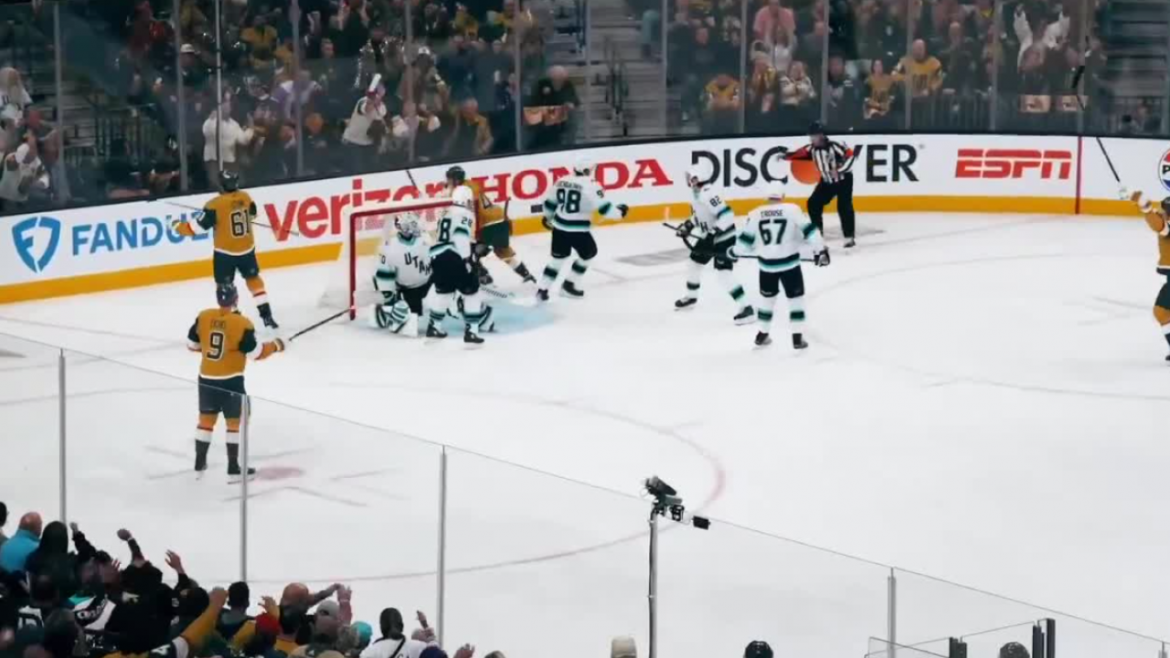
Vegas entered this series as a heavy favorite for a reason. Under John Tortorella, who took the reins late in the season, the Knights morphed into a defensive juggernaut, finishing the regular season on a blistering 7-0-1 run. However, Game 3 was a statistical anomaly that will likely be studied by hockey analysts for years. Vegas allowed a franchise-low 12 shots on goal—a defensive performance that usually guarantees a win—yet they lost 4-2.
The Knights’ underlying metrics remain elite. They are currently controlling 58.4% of the Expected Goals (xG) in the series and outshooting Utah by a nearly 3-to-1 margin. Key players like Mark Stone and Jack Eichel have been productive, each tallying three points in three games. The issue hasn’t been creating chances; it’s been finishing them. Vegas is shooting just 6.2% as a team in this series, well below their season average.
The concern for Vegas lies in the “special teams battle.” Tortorella was vocal about his dissatisfaction with the 2-for-9 power play. If Vegas cannot punish Utah for their physical style of play, they allow the Mammoth to stay within striking distance regardless of the shot clock. According to ESPN’s NHL coverage, teams that outshoot their opponents by 20+ shots in a playoff game but lose, as Vegas did in Game 3, tend to bounce back with a win in 72% of the following matchups.
Utah Mammoth: High-Efficiency Chaos
The Utah Mammoth are playing like a team that doesn’t know it’s supposed to lose. Their transition from the desert of Arizona to the mountains of Salt Lake City has ignited a fan base and, seemingly, the roster. In Game 3, they became only the eighth team since 1974 to win a playoff game with 12 or fewer shots. While that speaks to incredible efficiency, it also signals a massive regression risk.
Karel Vejmelka is currently the X-factor. Postseason hockey often comes down to a hot goaltender, and Vejmelka’s .916 save percentage in the series is significantly higher than his regular-season mark of .897. He is seeing the puck exceptionally well, particularly on high-danger chances from the slot. Offensively, Utah is a “committee” team. Twelve different players have recorded a point, led by defenseman MacKenzie Weegar, who has been a transition monster.
However, playing with fire eventually leads to burns. You cannot consistently give up 30+ shots while generating fewer than 15 and expect to advance. The Mammoth are currently sporting a PDO (shooting percentage + save percentage) of 108.4 in this series. In the world of sports betting, a PDO that high is a flashing red light for an impending “cool down.” For a deeper look at how these efficiency ratings impact playoff longevity, NBA.com provides excellent parallels in how high-volume shooting eventually overcomes defensive anomalies in playoff series.
Tactical Edge and Matchup Analysis
The most significant tactical shift heading into Game 4 is Tortorella’s decision to shuffle the power-play units and line combinations. By spreading the veteran leadership of Ivan Barbashev and Mark Stone across two different lines, Vegas aims to force Utah’s top defensive pair (Weegar and Durzi) into uncomfortable matchups.
The goaltending duel is equally compelling. Despite the Game 3 collapse, Vegas is sticking with Carter Hart. Hart was 7-1-0 with a .932 save percentage leading into the playoffs. His performance in Game 3—allowing 4 goals on 12 shots—was an outlier. In the NHL, goaltenders with Hart’s pedigree rarely put together two “stinkers” in a row, especially with a coach like Tortorella breathing down their neck.
Utah’s strategy is clear: clog the neutral zone, block shots (they blocked 22 in Game 3), and pray for the counter-attack. It worked once, but Vegas has the depth to adjust. The Knights’ physicality should start to wear down Utah’s smaller forward group as the series progresses into the later stages of Game 4.
Betting Insights: Where is the Value?
The market is still showing respect to Vegas, listing them as road favorites despite the series deficit. This is a classic “buy low” spot on a superior team.
-
The Trend: Vegas is 14-5 in their last 19 games following a loss where they outshot the opponent.
-
The Odds: The Moneyline for Vegas has stayed steady around -145. While not a massive payout, it reflects the statistical probability of a talent correction.
-
The Risk: Utah’s home-ice advantage is real. The Delta Center is a “snake pit” for visiting teams, and the Mammoth are 6-1 in their last 7 home games dating back to the regular season.
If you’re looking for a higher-value play, the Vegas Puck Line (-1.5) offers enticing odds. If Vegas breaks through Vejmelka early, the floodgates are likely to open, as Utah doesn’t have the offensive firepower to chase a game from behind. For comprehensive historical data on playoff Puck Line trends, BBC Sport offers great archives on how favorites perform when trailing in a series.
Final Prediction: The Knights Strike Back
Statistics usually win out over “vibes” in a seven-game series. While Utah’s Game 3 victory was a feel-good story for the ages, it was a statistical miracle. Vegas is the better team in almost every measurable category: puck possession, expected goals, faceoff percentage, and veteran experience.
Expect Carter Hart to return to his elite form and for the Vegas power play to finally click against a Utah PK that has been playing over its head. Tortorella’s adjustments will tighten the neutral zone, preventing the breakaway opportunities that Utah feasted on Friday night.
PICK: Vegas Golden Knights Moneyline (-117)