Some NHL games grab attention because of star power. Others stand out because of what won’t happen on the ice. The Utah Mammoth versus New York Rangers matchup falls firmly into the second category. This game isn’t about explosive offense or highlight-reel goals. It’s about structure, missing key scorers, strong goaltending, and two teams forced into cautious hockey.
At first glance, this matchup looks even. The standings suggest a competitive contest. The team stats show modest scoring. But once you dig deeper into recent form, injuries, and advanced data, a very clear picture starts to emerge. Everything about this game points toward tight margins, limited scoring chances, and a pace that stays under control from start to finish.
Let’s break down why this contest projects the way it does and what to expect when the puck drops.
Match Context and Team Form
Utah enters this game averaging just over three goals per game, while New York sits well below that mark. Neither team plays fast, and neither team thrives in wide-open situations. Utah prefers controlled entries and patience in the offensive zone. New York leans heavily on structure, defensive positioning, and disciplined line changes.
Over the past several games, both teams have leaned even further into those tendencies. Utah’s scoring rate has dipped slightly, while the Rangers continue to grind out close results. One-goal games have become common. Early leads matter more than ever in this spot.
This matchup also comes at a point in the schedule where both teams value points but lack the personnel to push pace aggressively. That combination often leads to conservative coaching decisions, especially early in games.
Key Injuries Shape the Game
This is where the matchup truly changes.
Utah is without Logan Cooley, their top center and most dynamic transition player. His absence removes speed through the middle of the ice and limits Utah’s ability to generate high-danger chances off the rush. Without him, Utah’s offense relies more on perimeter shots and extended zone time, which are easier to defend.
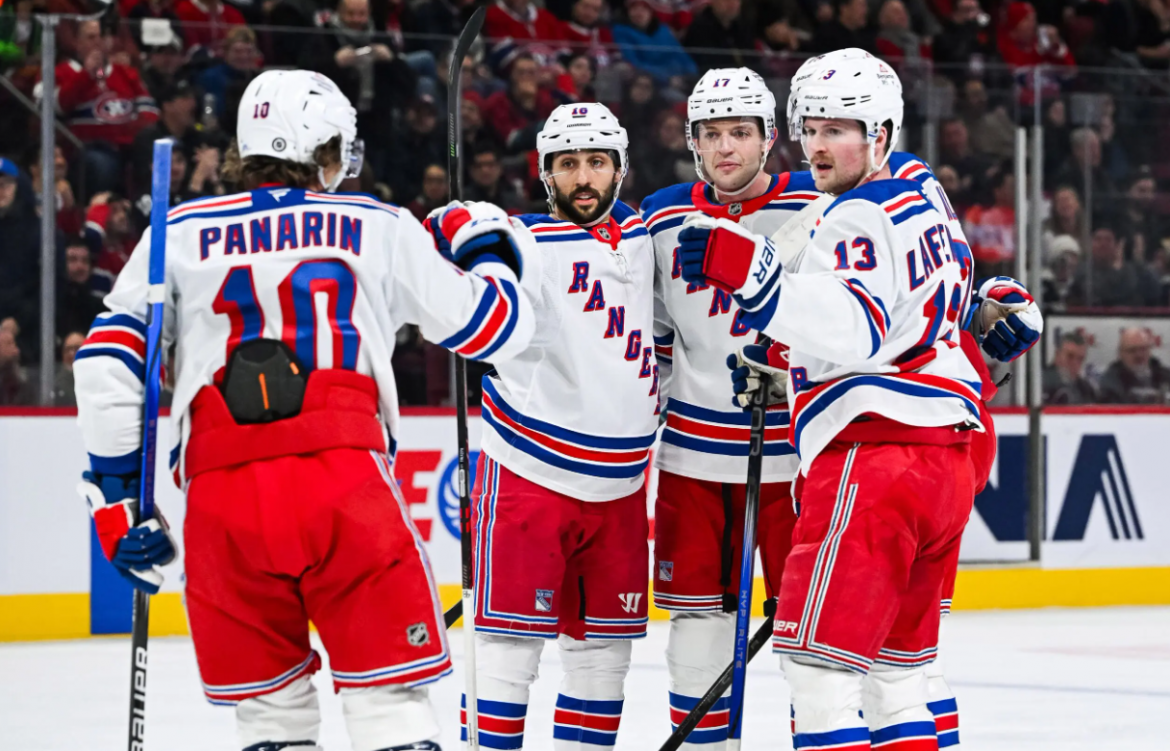
New York is dealing with even more offensive disruption. J.T. Miller and Conor Sheary are both out, thinning an already inconsistent forward group. The Rangers are missing multiple players who normally drive scoring at even strength and on the power play. As a result, line combinations are less stable, and offensive roles are being filled by players better suited for defensive assignments.
When both teams are missing top-six forwards, scoring ceilings drop quickly.
Goaltending and Defensive Structure
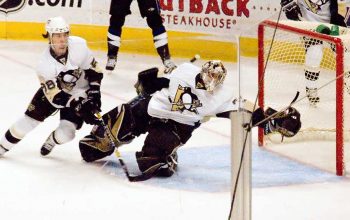
Goaltending is one of the most reliable elements in this matchup. New York’s starting netminder continues to perform at an elite level, particularly in low-event games. His rebound control and positioning limit second chances, which is critical against a Utah team that struggles to finish without its top center.
Utah’s goaltender has been steady as well. While not as dominant, he benefits from a defensive system that protects the middle of the ice and limits cross-slot passes. Utah’s defensive group allows shots, but not many clean looks.
Both teams are comfortable protecting a tie game or a one-goal lead. That mindset shows up in how they manage risk, especially late in periods.
Advanced Metrics Tell a Consistent Story
The underlying numbers reinforce what the eye test suggests.
Utah’s expected goals have dropped since losing Cooley, particularly at five-on-five. Their shot volume remains respectable, but shot quality has declined. New York’s expected goals remain low, but their expected goals against are among the better marks in similar matchups.
Corsi and Fenwick numbers show neither team dominating possession. Instead, the game projects as balanced, with extended stretches where nothing dangerous develops. PDO numbers also suggest this isn’t a matchup driven by unsustainable shooting or save percentages. What you see is what you get.
Low expected goals plus stable goaltending is a strong indicator of limited scoring.
Why I’m Confident in the Under 5.5 Total Goals Prediction
This game checks nearly every box associated with lower-scoring NHL matchups.
First, both teams are missing key offensive players, especially at center. That alone reduces scoring efficiency and power-play effectiveness.
Second, the pace profile is slow. Neither team ranks high in rush chances, and both prefer set plays over transition attacks. Games with fewer rush attempts consistently produce fewer goals.
Third, goaltending stability matters. When teams trust their netminders, they play tighter in front of them. That leads to fewer breakdowns and fewer odd-man rushes.
Fourth, advanced models agree on the scoring range. Expected goals projections cluster tightly around four to five total goals, not six or seven. That consistency across data sources strengthens confidence in the projection.
Finally, coaching tendencies play a role. Both benches prioritize structure when short-handed offensively. That approach shows up in neutral-zone play and defensive-zone coverage.
All signs point in the same direction.
Model Score Projections
Several respected analytics models project similar outcomes for this game:
-
MoneyPuck: Rangers 3, Mammoth 2
-
The Athletic’s Model: Rangers 2.9, Mammoth 2.3
-
Sportlogiq: Rangers 3, Mammoth 2
-
Natural Stat Trick: Rangers 2.8, Mammoth 2.4
-
Evolving Hockey: Rangers 3.1, Mammoth 2.2
Each model arrives at its projection using different inputs, yet the conclusions are remarkably consistent. None project a high-scoring game. Most settle comfortably below six total goals.
Special Teams Outlook
New York’s power play rates higher on paper, but the current lineup limits its effectiveness. Without key playmakers, puck movement slows, and entries become predictable. Utah’s penalty kill has been disciplined and positioning-focused, which helps neutralize that advantage.
Utah’s power play has struggled all season and becomes even less threatening without its top center. That further reduces the likelihood of quick scoring swings.
Special teams are unlikely to push this game into a higher scoring range.
What to Watch During the Game
The opening ten minutes will set the tone. Expect cautious starts, controlled breakouts, and few risks. If the game remains scoreless early, it reinforces everything the data suggests.
Watch the neutral zone. If both teams continue to clog passing lanes and dump pucks deep rather than attack with speed, scoring chances will remain limited.
Also watch line matching. New York will look to keep its strongest defensive pairings against Utah’s top scoring threats, further suppressing offense.
Final Thoughts
Utah versus New York may not be the loudest game on the schedule, but it’s one of the most interesting from an analytical standpoint. Injuries, pace, structure, and data all align toward the same outcome. This is a game defined by discipline, patience, and small details rather than explosive moments.
Fans should expect a competitive contest, strong goaltending, and tension deep into the third period. Every goal will matter, and chances will be earned the hard way. For viewers who appreciate structured hockey and tight margins, this matchup offers plenty to look forward to.
My pick: under 5.5 total goals WIN