The NFL supplemental draft is one of the league’s least-used entry points, but it has not disappeared from the sport’s landscape. As detailed in recent reporting from AP News and the Santa Fe New Mexican, the process remains a complicated and uncommon mechanism that can still alter a player’s career path — and it is the route that once helped launch Cris Carter’s journey to the NFL.
A rare draft process with a real football purpose
The supplemental draft exists for players who become eligible after the league’s regular draft has already passed. That unusual timing is part of what makes it so easy to overlook. Unlike the annual draft, which dominates the NFL’s offseason calendar and produces a long list of selection storylines, the supplemental version is limited, quiet, and used only when a player’s circumstances change after the traditional draft has concluded.
According to the reporting, the process is designed to give teams a chance to acquire players who were not available at the standard draft. In exchange for selecting a player in the supplemental draft, a team must surrender a corresponding pick in the next year’s regular draft. That structure is meant to keep the system orderly and to discourage teams from treating it like a shortcut. It also helps explain why the draft is so rarely used: the cost is real, and the number of eligible players is often small.
For NFL front offices, that makes the supplemental draft less of a spectacle and more of a contingency plan. Teams have to evaluate whether a player is worth sacrificing future draft capital, even though the pool of available players is usually limited. The process is unusual enough that it rarely generates the same kind of public attention as the spring draft, but it remains part of the league’s rules for a reason.
Why Cris Carter’s name still comes up
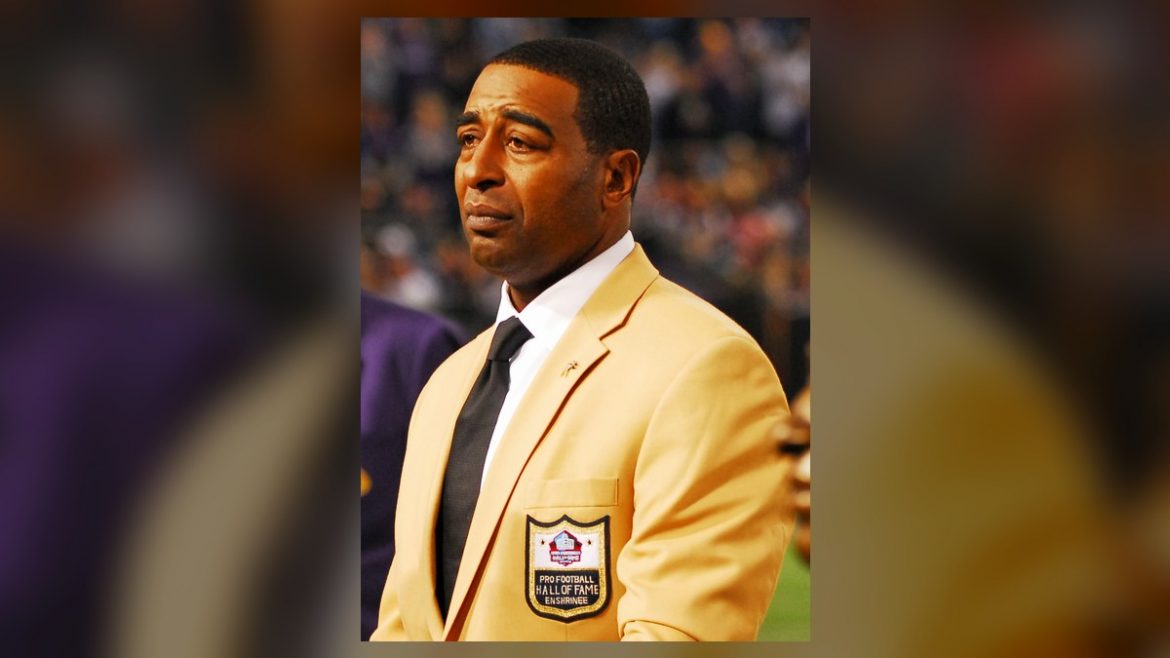
Carter’s career remains the best-known example of the supplemental draft producing a significant NFL player. The AP and the Santa Fe New Mexican noted that the path once started his professional career, which is a reminder that the mechanism can matter when the right player is involved.
Carter became one of the most recognizable pass catchers of his era and later a Hall of Fame receiver, but his entry into the league was not through the standard draft process. His story is often referenced because it illustrates both the opportunity and the rarity of the supplemental draft. It is not a system built to create stars, but it can provide a legitimate avenue for talent that emerges outside the normal timeline.
That history gives the process a lasting place in NFL discussion, even in years when no major supplemental selection is made. Whenever the draft comes back into conversation, Carter’s name tends to surface because it remains the clearest example of what the mechanism can do if a team is willing to take the risk.
How the NFL’s supplemental draft differs from the regular draft
The normal NFL draft is a highly structured, highly visible event in which teams select eligible players from a large and carefully prepared pool. The supplemental draft is far more limited. It is typically reserved for players whose eligibility changes after the regular draft, often because of circumstances that arose later in the year.
The key distinction is timing. Once a player enters the supplemental draft, he is not part of the standard draft class. That means teams have to make a separate decision with separate consequences. The league’s approach is intentionally conservative, which is why the process has remained uncommon for decades.
That scarcity also affects public understanding. Many fans know the regular draft structure well, but the supplemental draft is less familiar because it rarely produces a long list of selections or major TV coverage. Still, it is part of how the NFL handles uncommon roster-entry situations, and it remains available when player circumstances require it.
Why the process still matters for teams and players
Even though the supplemental draft is rare, it can matter significantly for both sides. For a player, it can offer a path into the league when the standard window has closed. That may be especially important in cases where eligibility changes or where a player’s status is determined too late for the regular draft.
For teams, it is a judgment call shaped by roster needs, scouting confidence, and the long-term value of draft picks. Because selecting a player requires giving up future capital, organizations generally do not participate unless they believe the player can help. That built-in caution is one reason the process remains so uncommon. It is not designed to encourage volume; it is designed to address exceptions.
That makes the supplemental draft a good example of how the NFL’s system tries to balance opportunity and competitive fairness. Teams can add talent, but they must do so at a cost. Players can still find a way into the league, but only under a narrow set of conditions.
A small process with a long memory
There are plenty of NFL offseason mechanisms that draw far more attention, from the regular draft to free agency and training camp battles. The supplemental draft is not one of them. Yet its staying power says something about the league’s need for flexibility. Football does not always fit neatly into a single annual intake process, and the league has long kept a secondary path available when circumstances demand it.
That is why the subject still draws interest when it comes up. It is not just a procedural footnote. It is a reminder that a player’s NFL path can begin in more than one way, and that a rare mechanism can still shape a career. Carter’s success remains proof of that point, while the continued existence of the supplemental draft shows the league has kept a door open for unusual cases.
In a sport that often emphasizes the predictability of draft boards and offseason planning, the supplemental draft stands apart. It is rare, it is complicated, and it is easy to ignore — until a team sees value in a player who arrives outside the normal schedule. Then it becomes exactly what it was built to be: a narrow but real route into the league.
Sources
- NFL supplemental draft a complicated, uncommon process that once started Cris Carter’s career – Santa Fe New Mexican
- The NFL supplemental draft is a complicated, uncommon process that once started Cris Carter’s career – AP News