The latest Arkansas basketball update combined two meaningful developments for the Razorbacks: a recap of the NBA Draft and the SEC’s release of home-and-away conference matchups. Together, they offer a clearer picture of where the program stands after another offseason of roster turnover and how the 2026-27 schedule will shape the next phase of the John Calipari era.
Arkansas keeps building around NBA-level talent
The “NBA Draft Recap” portion of the report underscores a familiar reality for Arkansas under Calipari: the program continues to lean into high-end talent with professional aspirations. While the brief news item did not provide a full draft breakdown, the framing alone reflects Arkansas’ long-running identity as a place where one-and-done prospects, portal additions and veteran role players can coexist on a roster built for immediate competitiveness.
That matters for Arkansas because roster continuity has become increasingly difficult to maintain in the modern college game. Every offseason now comes with the possibility that key players leave early, test the draft process or depart through the transfer portal. For a program trying to stay near the top of the SEC, that means the challenge is not just recruiting talent, but replacing production quickly and accurately.
Calipari has spent much of his college coaching career managing exactly that kind of turnover. At Arkansas, the expectation remains the same: attract elite players, develop them fast and keep the team competitive in a league that has become deeper and more physically demanding by the year.
SEC schedule release adds important context
The other half of the update — the SEC unveiling its home-and-away games — gives Arkansas fans an early look at the structure of the conference slate. Even before the full nonconference schedule is considered, the home-and-away split is often one of the first details analysts use to gauge the difficulty of a season.
In the expanded SEC, where several schools now pack legitimate NCAA tournament aspirations, the difference between playing a contender once or twice can shape a team’s seeding path and overall record. For Arkansas, those designations will matter not only for the standings but also for how the roster is managed through the grind of conference play.
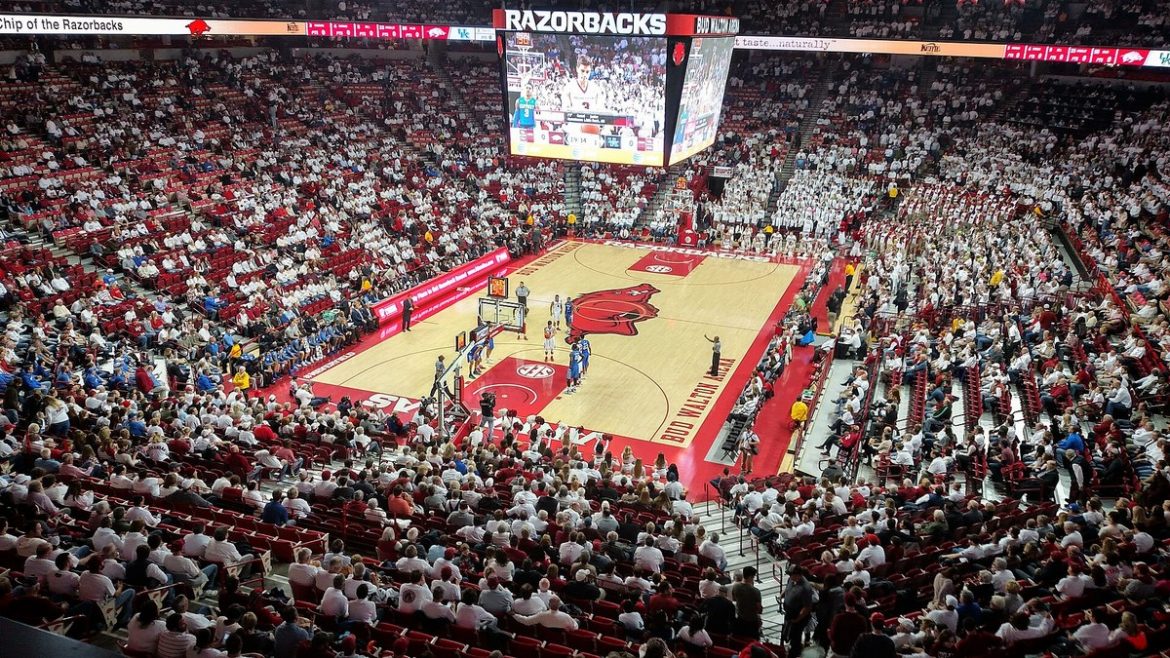
Road games in the SEC have rarely been routine, and that is especially true now. The league’s blend of athleticism, size and coaching depth turns nearly every away date into a major test. At home, Arkansas will be expected to defend Bud Walton Arena and capitalize on its crowd support; away from home, the Razorbacks will need poise and defensive consistency to survive longer stretches against top competition.
Why the home-and-away split matters for Arkansas
The SEC’s scheduling decisions can have a direct effect on how a team like Arkansas is judged in March. A favorable home-and-away balance can provide a steadier route through league play, while a tougher draw can place more pressure on the nonconference schedule and on late-season performance.
That is particularly important for a program in transition. Arkansas has spent recent seasons trying to blend new personnel with a style that can hold up against the SEC’s upper tier. When a team is still shaping its identity, every home game becomes a chance to bank a win, and every road game becomes a measurement of toughness and execution.
The schedule also influences how a coaching staff prepares its team physically and tactically. A roster with younger players or a retooled backcourt must be managed differently when consecutive road trips or a difficult stretch of home opponents arrives. In that sense, the schedule release is more than a list of dates; it is the blueprint for how the season will unfold.
What this means for the Razorbacks’ roster outlook
For Arkansas, the draft recap and the schedule release are related in one key way: both events point toward another year of evaluation. If the program is producing NBA-caliber talent, it suggests the front end of the roster remains strong. If the SEC schedule is demanding, it means the Razorbacks will need that talent to mature quickly.
That combination can work in Arkansas’ favor, but it leaves little margin for slow starts or uneven development. The Razorbacks have to integrate newcomers, establish a rotation and create defensive habits early enough to survive the league portion of the season. In a conference as competitive as the SEC, that process often determines whether a team enters February with momentum or with work still to do.
Arkansas has also made clear over the years that its basketball brand is tied to visibility and ambition. NBA Draft conversations reinforce that image, because they keep the program in front of elite recruits and transfers who want a path to the next level. At the same time, the SEC schedule reminds everyone that talent alone is not enough. The league demands consistency, and there are no easy nights for long.
How Arkansas can turn the early offseason news into momentum
The most important takeaway from the report is not just that Arkansas had players mentioned in an NBA Draft context, but that the program remains part of that conversation. That keeps recruiting leverage intact and helps validate the development pitch that coaches make to incoming players.
Still, the upcoming season will be judged on results, not reputation. If Arkansas wants to turn offseason optimism into something tangible, it will need to use the SEC schedule to its advantage at home, hold up in the league’s most difficult road environments and find enough balance to avoid long stretches of inconsistency.
In practical terms, that means the Razorbacks must treat the schedule release as an early test of their organizational readiness. The best college teams do not just react to the calendar; they plan around it. Arkansas now has a clearer idea of the road ahead, and the combination of draft news and conference scheduling gives the staff a useful early snapshot of the challenges waiting next season.
For a program that expects to compete nationally, that is exactly the kind of offseason update that matters: a reminder that the roster keeps moving toward the NBA, and the SEC keeps getting harder.