
This matchup between the Calgary Flames and the Chicago Blackhawks may not grab national headlines at first glance, but a closer look shows why it deserves real attention. Both teams are in important spots in their season, and the details under the surface strongly point in one direction. When you dig into form, pace, player impact, and advanced data, this game becomes much clearer than the standings alone suggest.
Let’s break it all down in a clear, easy-to-follow way and explain why Chicago is in a strong position heading into puck drop.
Current Match Context and Game Environment
The Blackhawks return home to the United Center, where their overall structure and discipline have been noticeably stronger. Home ice matters more for Chicago than most teams because their young roster plays with more confidence when last change is available. That allows the coaching staff to protect certain defensive matchups and maximize offensive zone starts for their top line.
Calgary, meanwhile, continues a road-heavy stretch and has struggled to generate consistent offense away from home. Their scoring depth has been unreliable, and when the top line is contained, the offense tends to stall. This sets up a matchup where Chicago can control pace, manage matchups, and force Calgary into low-efficiency scoring areas.
Team Form Over the Last Stretch
Chicago’s recent form shows steady improvement. While wins have not always followed, the underlying play has trended up. Shot quality has improved, the power play has been more decisive, and defensive zone exits have become cleaner. These are signs of a team that is executing its system better, even if the results lag slightly behind.
Calgary’s recent form tells a different story. The Flames have struggled to finish chances, especially at five-on-five. Their goal totals remain low despite average shot volume, which points to poor shot quality and limited net-front presence. Defensive breakdowns have also become more frequent late in games, an issue that has cost them points in close contests.
Momentum does not always decide games, but structure and execution usually do. Right now, Chicago has the edge in both.
Key Player Impact That Shapes the Game
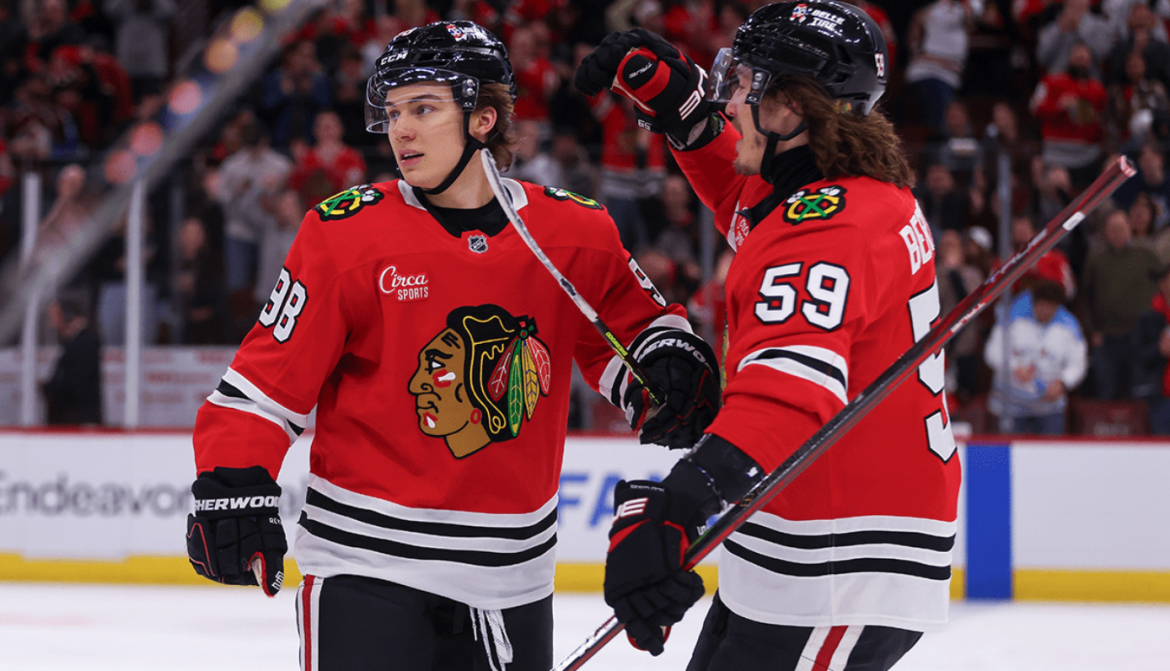
Connor Bedard remains the engine of Chicago’s offense. His impact goes beyond goals and assists. He draws defensive attention, opens space for linemates, and drives zone entries at an elite rate. When Bedard is on the ice, Chicago’s expected goal rate jumps significantly, and opposing teams are forced to defend deeper in their zone.
On the Calgary side, offensive responsibility is spread thinner. While they have capable forwards, there is no single player consistently tilting the ice. That makes it easier for Chicago to defend in layers and avoid overcommitting resources to any one matchup.
Goaltending also leans Chicago’s way. The Blackhawks’ likely starter has posted stronger recent save percentages, especially against mid-range and slot chances. Calgary’s goaltending has been serviceable but vulnerable when defensive coverage breaks down, which has happened too often lately.
Advanced Metrics Paint a Clear Picture
When you move past basic stats, the gap becomes more obvious.
Chicago holds an edge in expected goals at even strength over the last ten games. Their high-danger chance rate has increased, while their expected goals against has dropped. This combination shows a team improving on both sides of the puck.
Calgary’s advanced numbers are trending the wrong way. Their Corsi and Fenwick percentages have dipped, especially on the road. More importantly, their shooting percentage at five-on-five remains below league average, which aligns with the eye test of low-quality chances.
PDO numbers also favor Chicago. Calgary’s PDO suggests limited positive regression coming, meaning their scoring issues are not just bad luck. Chicago’s numbers are closer to neutral, indicating their recent play is more sustainable.
Special Teams Could Decide the Outcome
Special teams are a major separator in this matchup. Chicago’s power play has been more efficient and more aggressive with puck movement. Their entries are cleaner, and they generate quicker shots off the pass, which stresses penalty-killing units.
Calgary’s penalty kill has been inconsistent, particularly against teams that move laterally well. That is a concern against a Chicago unit that thrives on quick puck rotation.
At the other end, Calgary’s power play has struggled to create second chances. Too many possessions end with a single perimeter shot, making life easier for Chicago’s goaltender.
If this game features a normal number of penalties, Chicago gains a meaningful edge.
Why I’m Confident the Blackhawks Will Win
The Chicago Blackhawks Moneyline (-114) stands out because multiple independent models agree on the direction of this game.
MoneyPuck projects a tight but clear Chicago win, driven by stronger expected goal totals and better goaltending projections.
The Athletic’s model gives Chicago a higher win probability based on shot quality and home-ice impact.
Sportlogiq’s data favors Chicago due to superior puck retrievals and controlled zone entries.
Natural Stat Trick shows Chicago with a recent edge in high-danger chances and scoring chance differential.
Evolving Hockey’s projections also lean toward Chicago, highlighting Calgary’s declining offensive efficiency.
Across all five models, Chicago consistently grades better in the areas that matter most: chance quality, special teams, and defensive structure. The price reflects a close game, but the underlying data supports Chicago more often than not.
This is not about short-term noise. It is about repeatable advantages that show up across different analytical approaches.
Predicted Scores From Leading Models
Here is how five respected projection systems see this game playing out:
MoneyPuck: Blackhawks 3.4, Flames 2.6
The Athletic’s model: Blackhawks 3.2, Flames 2.7
Sportlogiq: Blackhawks 4.0, Flames 2.8
Natural Stat Trick: Blackhawks 3.3, Flames 2.5
Evolving Hockey: Blackhawks 3.5, Flames 2.6
Each model lands in a similar range, reinforcing the expectation of a Chicago win with controlled scoring.
What to Watch Once the Puck Drops
Early zone time will be telling. If Chicago establishes offensive pressure in the first period, Calgary may struggle to adjust. Watch faceoff deployments, especially after icings, where Chicago can dictate matchups.
Also keep an eye on special teams momentum. A strong Chicago power play shift could swing the game quickly, while Calgary will need clean discipline to stay competitive.
Final Thoughts on This Matchup
This game sets up as a showcase of structure versus struggle. Chicago enters with better form, stronger data support, and a clear plan that fits their roster strengths. Calgary has paths to stay close, but too many indicators point in the same direction.
Fans should expect a competitive, well-paced game with moments of high skill, especially from Chicago’s top players. If the game unfolds as the data suggests, Chicago’s consistency and efficiency should be the difference by the final horn.
My pick: Blackhawks ML – 114 LOSE