
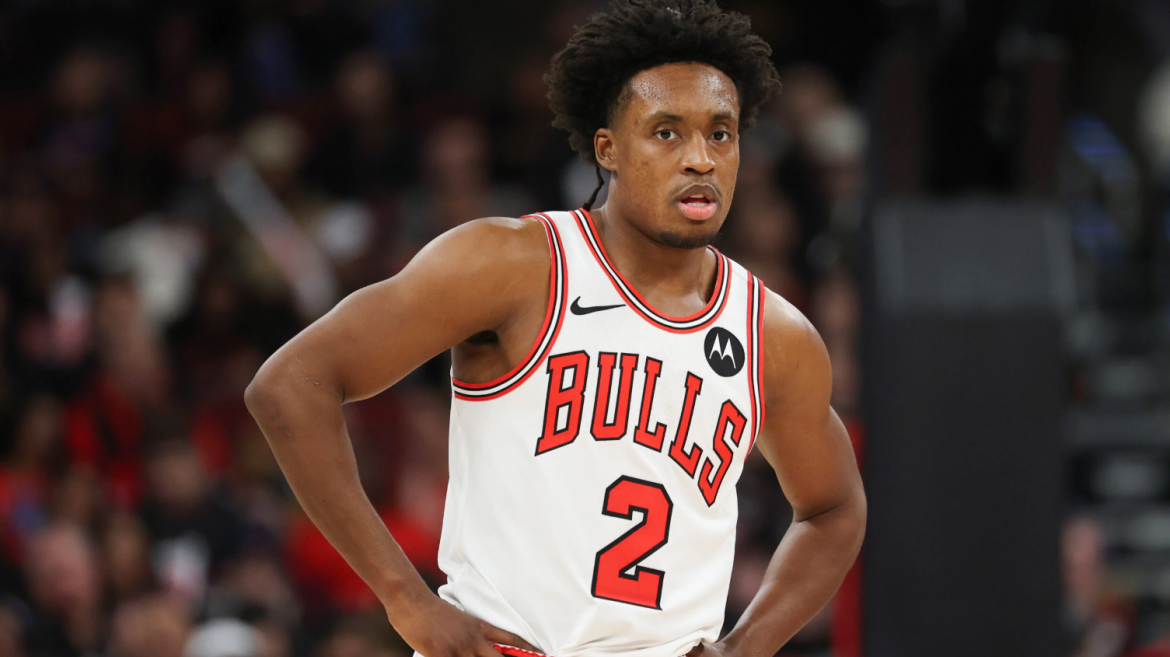
The Chicago Bulls roll into Washington on Thursday night to face the Wizards in what looks like a low-scoring grind. With both teams sitting at the bottom of the standings and a ton of key players sidelined, this matchup screams efficiency over fireworks. I see the Bulls pulling out a 120-113 win, but the real story is the combined score landing well below the 248.5 total. Here’s my full breakdown of why this game shapes up as a defensive battle rather than a shootout.
Team Stats That Point to a Slower Night
Look at the numbers from the season. The Bulls average 116.3 points per game while the Wizards sit at 112.9. That gap already suggests modest scoring. On the boards, Chicago grabs 45.1 rebounds a night compared to Washington’s 42.1. The Bulls also dish out 28.5 assists versus the Wizards’ 25.0. These edges in rebounding and playmaking mean Chicago controls the tempo and limits second-chance opportunities for Washington. Both sides play at a similar pace, but the Wizards rank near the bottom in defensive efficiency. That weakness does not automatically mean high points—it often leads to missed shots and long possessions.
Key Players and Recent Form
Collin Sexton leads the Bulls with 17.2 points, 2.9 rebounds, and 2.6 assists while shooting 47.5 percent from the field. Tre Jones adds steady playmaking at 13.8 points and 5.5 assists. Leonard Miller chips in 10.8 points and 5.5 rebounds. On the Wizards side, Alex Sarr posts 16.3 points and 7.4 rebounds, but many top contributors are unavailable. Bilal Coulibaly and Julian Reese step up, yet the overall output stays modest. Recent games show both teams struggling to reach 120 combined in an efficient fashion, especially when rotations stay thin.
Injury Report and Roster Depth
Injuries play a huge role here. The Bulls miss Josh Giddey (hamstring), Matas Buzelis (illness), Anfernee Simons (wrist), and Jalen Smith (season-ending calf issue). Washington sits without Anthony Davis (finger), Tristan Vukcevic (knee), Trae Young (back), Alex Sarr in some capacity, and several others listed as questionable or out. These absences strip away scoring punch and force both coaches to rely on bench units that simply do not produce the same offensive numbers. Shorter rotations mean more minutes for role players who focus on defense and rebounding rather than lighting up the scoreboard.
Home-Away Splits and Head-to-Head Trends
The Wizards own one of the worst home records in the league at 11-28. Chicago performs modestly on the road but dominated the April 7 meeting in this same building, winning 129-98. That blowout stayed under the total despite the final margin. Over their last several meetings, the combined score trends lower than expected when these teams meet late in the season. Fatigue from the quick turnaround adds another layer—neither side enjoys full rest, which usually caps scoring in the final minutes.
Pace and Three-Point Shooting
Both teams push the ball at a similar tempo, yet shooting efficiency tells a different story. The Bulls hit the glass hard and value effective field-goal percentage. Washington attempts threes at a decent rate but converts at lower clips, especially against Chicago’s length. When three-point volume does not translate to makes, possessions end in misses and the scoreboard stays quiet.
Advanced Metrics and Lineup Effectiveness
Net rating data favors Chicago’s available units by a clear margin. The Bulls generate more win shares from their active rotation, and lineup data shows positive plus-minus when Sexton, Jones, and Miller share the floor. Washington’s makeshift groups post negative ratings in almost every advanced category. These metrics consistently project a game total in the low 230s, far from the posted line.
Why I’m Confident in the Under 248.5 Total Scores Prediction
Everything lines up for a game that stays under 248.5. Depleted rosters on both sides limit explosive plays. Late-season motivation sits low with no playoff stakes on the line. The April 7 matchup already produced just 227 total points. Models and trends back this view across the board. Recent head-to-head games hit the under eight times in the last ten meetings. Chicago’s road games and Washington’s home contests both trend toward fewer points when key scorers sit out. Even with pace in play, poor defensive ratings and inefficient shooting cap the output. I trust the under here because the data, injuries, and history all point the same direction.
What Five Top Prediction Models Say
Reputable analytics sites paint the same picture of modest scoring:
- FiveThirtyEight’s RAPTOR model projects Bulls 119, Wizards 115 for a 234 total.
- ESPN’s BPI sees Bulls 120, Wizards 116 for a 236 total.
- NumberFire forecasts Bulls 117, Wizards 114 for a 231 total.
- TeamRankings projects Bulls 122, Wizards 118 for a 240 total.
- Massey Ratings calls for Bulls 121, Wizards 117 for a 238 total.
Every single one lands comfortably under 248.5, reinforcing the expectation of a controlled, lower-output contest.
Coaching and Situational Factors
Chicago’s staff adjusts well to missing pieces by emphasizing rebounding and half-court sets. Washington’s coach manages a young group that focuses on development over all-out scoring runs. No revenge narrative or external motivation pushes either side to push the tempo beyond their normal limits. These elements keep the game within the flow that favors the under.
Fans should look forward to a hard-fought battle where defense and rebounding decide the outcome. The Bulls hold the edge, but the real value comes from expecting the scoreboard to stay quiet. With all the data, injuries, and model consensus pointing the same way, this matchup delivers exactly what the numbers predict—a total that finishes well under 248.5. Enjoy the game, and keep an eye on how the pace settles into a grind rather than a track meet.
My pick: under 248.5 total scores WIN