The Minnesota Timberwolves and Memphis Grizzlies meet again, with two teams heading in very different directions. Minnesota is pushing toward the top of the Western Conference standings, while Memphis continues to navigate injuries, rotation instability, and uneven results. This matchup is not just about talent—it is about structure, consistency, and which team can control the game from start to finish.
Everything about this game points toward Minnesota being in the stronger position, especially when the margin sits at −7.5. Below is a full, clear breakdown of why this matchup favors the Timberwolves and what to expect when the ball goes up.
Current Team Form and Season Context
Minnesota enters the game with a 31–19 record, reflecting one of the most stable and efficient seasons in the conference. Their success is built on two pillars: elite half-court defense and reliable scoring from multiple positions. They are not dependent on one player or one style of play.
Memphis, at 18–29, has struggled to build momentum. Injuries, inconsistent lineups, and efficiency issues have made it difficult for the Grizzlies to close games against stronger opponents. While there is still talent on the roster, the overall results show a team that has not been able to sustain high-level performance for four quarters.
Offensive and Defensive Profile Comparison
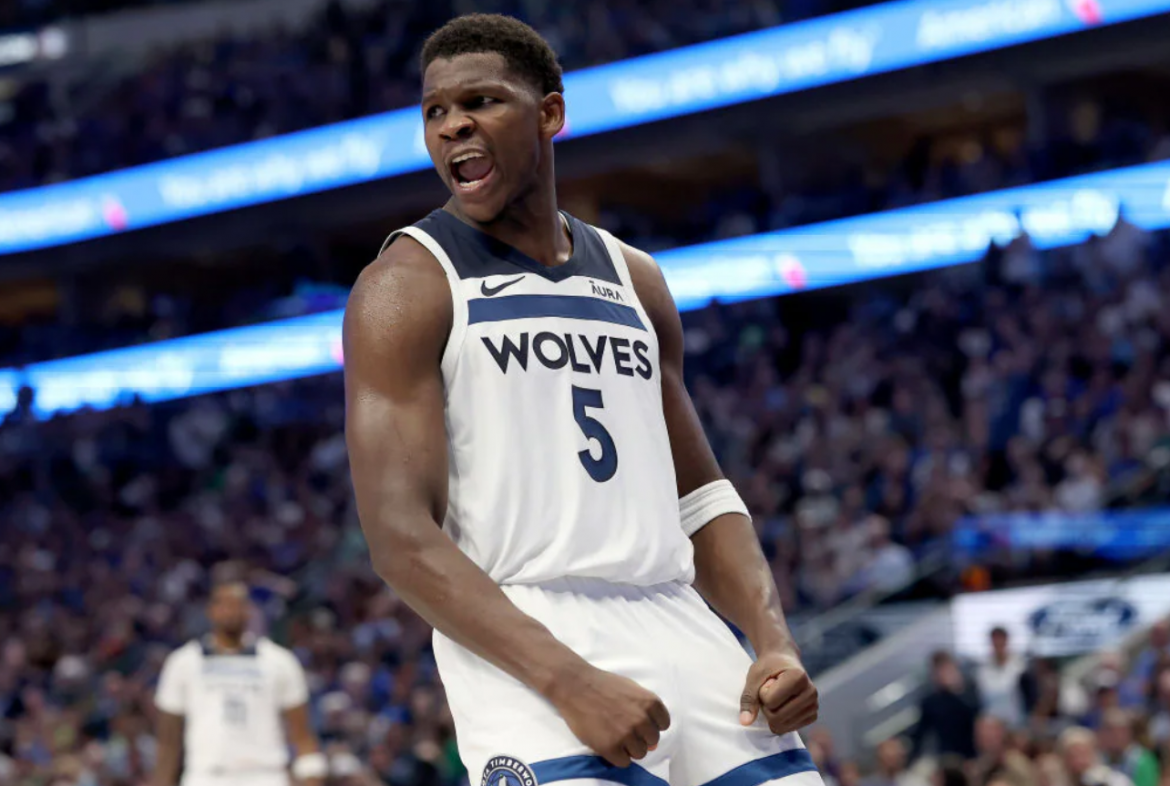
Minnesota averages 119.3 points per game, one of the strongest offensive marks in the league. More importantly, that scoring comes with balance. Anthony Edwards, Julius Randle, and Naz Reid all contribute consistently, and the spacing created by Donte DiVincenzo and Jaden McDaniels allows Minnesota to attack mismatches.
Defensively, Minnesota remains elite. Rudy Gobert anchors the paint, limits second-chance opportunities, and forces opponents into lower-percentage shots. This defensive structure is especially effective against teams that rely on dribble penetration and interior scoring.
Memphis averages 114.6 points per game, but that number comes with lower efficiency. Several rotation players are shooting below league average, and the offense becomes stagnant when forced into half-court sets. Against Minnesota’s defense, those issues are magnified.
Key Player Matchups That Shape the Game
Anthony Edwards vs. Memphis Perimeter Defense
Edwards is averaging 29.4 points per game on nearly 50 percent shooting. Memphis does not have a single defender who consistently slows elite wings without help. When help comes, Minnesota’s shooters benefit.
Julius Randle vs. Memphis Frontcourt
Randle’s physical style creates problems for Memphis, especially with Jaren Jackson Jr. often dealing with foul trouble. If Jackson is forced to play cautiously, Memphis loses both rim protection and scoring.
Rudy Gobert’s Interior Impact
Gobert’s 11.3 rebounds per game and elite field-goal efficiency change how Memphis attacks the rim. Players like Zach Edey can score efficiently near the basket, but defending Gobert in space and dealing with his rebounding presence remains a challenge.
Pace and Game Flow Expectations
Minnesota is comfortable playing at a controlled tempo. When they build a lead, they slow the game, limit transition chances, and force opponents to execute in the half court. This style consistently reduces scoring swings and protects margins.
Memphis prefers faster games, but against disciplined defenses, that pace is difficult to maintain. When transition opportunities disappear, their offensive efficiency drops sharply. This game script strongly favors Minnesota holding control for long stretches.
Home and Road Performance Trends
Minnesota has been reliable away from home, maintaining strong defensive ratings and limiting opponent runs. Their style translates well regardless of venue.
Memphis, meanwhile, has struggled against above-average teams, particularly when falling behind early. Their offensive numbers dip when they are forced to chase the game, which is a common scenario against top defenses.
Coaching and Rotation Stability
Chris Finch has a clear rotation and a strong feel for in-game adjustments. Minnesota rarely looks rushed or disorganized late in games. Lineups are consistent, and roles are clearly defined.
Memphis has been forced into frequent rotation changes. That lack of continuity shows up most in defensive communication and late-game execution. Against a disciplined opponent, those small breakdowns add up quickly.
Why I’m Confident in the Timberwolves −7.5 Prediction
The −7.5 number aligns closely with both analytical models and matchup-based evaluation. Minnesota holds clear advantages in:
-
Shot quality and efficiency
-
Defensive consistency
-
Rebounding control in key moments
-
Late-game execution
This is not a projection built on one hot scorer or a short-term trend. It reflects a season-long profile of a team that wins comfortably against opponents with limited offensive efficiency. Minnesota’s ability to protect leads makes this margin meaningful and realistic.
Prediction Model Score Projections
To validate the outlook, here are projected final scores from five respected NBA prediction models. These projections cluster tightly, reinforcing the same conclusion.
-
FiveThirtyEight RAPTOR: Timberwolves 118, Grizzlies 109
-
ESPN BPI: Timberwolves 119, Grizzlies 110
-
NumberFire: Timberwolves 117, Grizzlies 108
-
TeamRankings: Timberwolves 120, Grizzlies 111
-
Massey Ratings: Timberwolves 116, Grizzlies 107
The consistency across models is notable. All five project Minnesota winning by a margin that clears 7.5 points, with totals landing in a controlled scoring range.
Predicted Final Score
Minnesota Timberwolves 118
Memphis Grizzlies 106
This score reflects Minnesota’s defensive control late and Memphis struggling to generate efficient offense once the game slows.
What to Watch as the Game Unfolds
Pay close attention to the first six minutes of each half. If Minnesota establishes rebounding control early, the rest of the game often follows the same pattern. Also watch foul counts on Memphis’ frontcourt. Early whistles change their defensive structure significantly.
Final Thoughts
This matchup offers a clear contrast in stability, efficiency, and execution. Minnesota enters with confidence, structure, and multiple ways to control the game. Memphis brings effort and individual talent, but the collective consistency has not been there against top teams.
The −7.5 line reflects more than a simple talent gap—it reflects how these teams operate over 48 minutes. Expect Minnesota to dictate pace, protect the paint, and finish strong. For fans, this game offers a clear look at how elite defense and balanced scoring continue to separate contenders from teams still searching for answers.
My pick: Minnesota -7.5 points (-110) LOSE