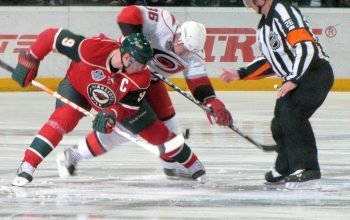

The Philadelphia Flyers and Buffalo Sabres are set to meet in a matchup that quietly checks almost every box for an entertaining, fast-paced NHL game. At first glance, this looks like a standard Eastern Conference clash. But once you dig into recent form, roster health, underlying numbers, and game context, a very clear theme emerges: this game is shaping up to feature plenty of scoring chances and sustained offensive pressure at both ends of the ice.
Both teams enter this matchup with defensive flaws, inconsistent goaltending support, and lineups that push pace rather than slow games down. When those elements collide, the result is often a game that opens up quickly and stays that way.
Below is a complete breakdown of why this Flyers vs Sabres matchup points strongly toward a high-event game and why the six-goal mark is firmly in focus.
Team Form Points Toward an Open Game
Buffalo comes into this game playing confident hockey at home. The Sabres are averaging just over 3.1 goals per game, a top-half offensive rate that reflects their willingness to attack off the rush and activate defensemen in the offensive zone. At the same time, they are allowing 3.1 goals per game, showing that defensive structure has not always matched their offensive ambition.
Philadelphia’s recent form tells a similar story. The Flyers are scoring 2.84 goals per game while allowing 2.87, numbers that point to balance but not control. When Philadelphia games tilt, they often tilt quickly. Defensive breakdowns tend to come in bunches, especially against teams that play fast through the neutral zone.
Neither team is built to grind out low-event hockey for 60 minutes. When momentum shifts, both sides tend to trade chances rather than slow things down.
Match Context Favors Pace Over Structure
This matchup sits in a part of the schedule where urgency matters, but desperation does not yet force conservative play. Buffalo is strongest at home when it can dictate tempo early. Philadelphia, on the road, has shown a willingness to counterpunch instead of sitting back.
There is also no rivalry-style tension that usually drags games into slower, more physical battles. This matchup typically features clean zone entries, quick puck movement, and special teams opportunities created by speed rather than physical intimidation.
That context matters. Games without heavy emotional weight often become more fluid, and fluid games tend to generate more goals.
Key Player Impact and Injury Influence
Injuries are playing a quiet but important role here.
Philadelphia is missing Ryan Ellis for the season and Jamie Drysdale for this matchup. That removes two defensemen who help with puck movement and controlled exits. Without them, the Flyers rely more on indirect clears and longer defensive shifts. That leads to fatigue, missed assignments, and extended pressure against.
Buffalo’s injuries are largely depth-related. The Sabres are without backup goaltender Alex Lyon and a few rotational skaters, but their core offensive group remains intact. That means their scoring structure is unchanged, while Philadelphia’s defensive structure is weakened.
When one team loses defense and the other keeps its offensive identity, shot quality tends to rise.
Advanced Metrics Support a High-Event Game
The underlying numbers reinforce what the surface stats suggest.
Philadelphia’s expected goals against rate has climbed when their blue line is stretched thin. Their defensive-zone possession time increases, which usually leads to rebound chances and broken coverage.
Buffalo consistently ranks better in shot attempts generated than shot attempts suppressed, especially at home. Their Corsi and Fenwick profiles show a team that creates volume but accepts risk.
PDO trends for both teams sit near league average, meaning recent scoring is not being driven by extreme luck. What you see is largely what you get.
This is important because it suggests the offensive output is sustainable rather than inflated by short-term variance.
Special Teams Add to the Scoring Outlook
Neither power play is elite, but both are good enough to matter.
-
Flyers power play: 15.3%
-
Sabres power play: 17.8%
More importantly, both penalty kills have struggled against quick puck movement. Philadelphia’s injury-depleted defense makes rotations slower. Buffalo’s aggressive penalty pressure sometimes opens passing lanes.
Even one or two special teams goals can push this game past the six-goal threshold, especially if the game stays close into the third period.
Why I’m Confident in the Over 6 Total Goals Prediction
Several independent models converge on the same conclusion: this game projects above six total goals.
The reasons are consistent across systems:
-
Both teams allow quality chances off the rush
-
Neither defense is fully healthy
-
Goaltenders are facing elevated workloads
-
Pace metrics favor more possessions, not fewer
This is not about one team exploding offensively. It is about both teams contributing to the scoreboard through sustained pressure, transition chances, and defensive gaps that appear once the game opens up.
Six goals is not an aggressive number given the profiles of these teams. It is a number that allows for balance rather than perfection.
What the Prediction Models Say
Here are projected final scores from five well-respected hockey models:
MoneyPuck
Projected score: Sabres 4, Flyers 3
MoneyPuck’s expected goals model shows strong offensive efficiency for Buffalo and elevated chances for Philadelphia due to defensive injuries.
The Athletic’s Model
Projected score: Sabres 4, Flyers 3
This projection highlights Buffalo’s home-ice advantage and Philadelphia’s increased goals against rate on the road.
Sportlogiq
Projected score: Sabres 5, Flyers 3
Sportlogiq’s tracking data emphasizes Buffalo’s ability to create slot chances and east-west puck movement.
Natural Stat Trick
Projected score: Sabres 4, Flyers 2
This model leans slightly lower on Philadelphia’s output but still clears six goals comfortably.
Evolving Hockey
Projected score: Sabres 4, Flyers 3
Evolving Hockey’s expected goals framework sees both teams exceeding their season averages.
Across all five models, the common thread is clear: scoring from both sides and a total that lands above six.
What to Watch During the Game
Early pace will matter. If Buffalo establishes speed through the neutral zone in the first period, the Flyers will be forced into a reactive posture. That usually leads to penalties and extended defensive shifts.
Also watch how Philadelphia handles second chances. Rebounds and broken plays have been a problem without their full defensive group. If those issues appear early, scoring can snowball quickly.
Finally, third-period context matters. A one-goal game late almost always pushes both teams into aggressive offensive mode, which favors late goals rather than clock management.
Final Thoughts
This Flyers vs Sabres matchup brings together two teams that play best when the game opens up, not when it slows down. The numbers, the injuries, the models, and the game context all point in the same direction.
Fans should expect pace, chances, and momentum swings. Goals should come from different lines and different situations, not just one hot stretch. That balance is what makes this game especially compelling.
If you are watching this game, expect action early and pressure late. Everything about this matchup suggests the scoreboard will stay busy right until the final horn.
My pick: over 6 total goals WIN