
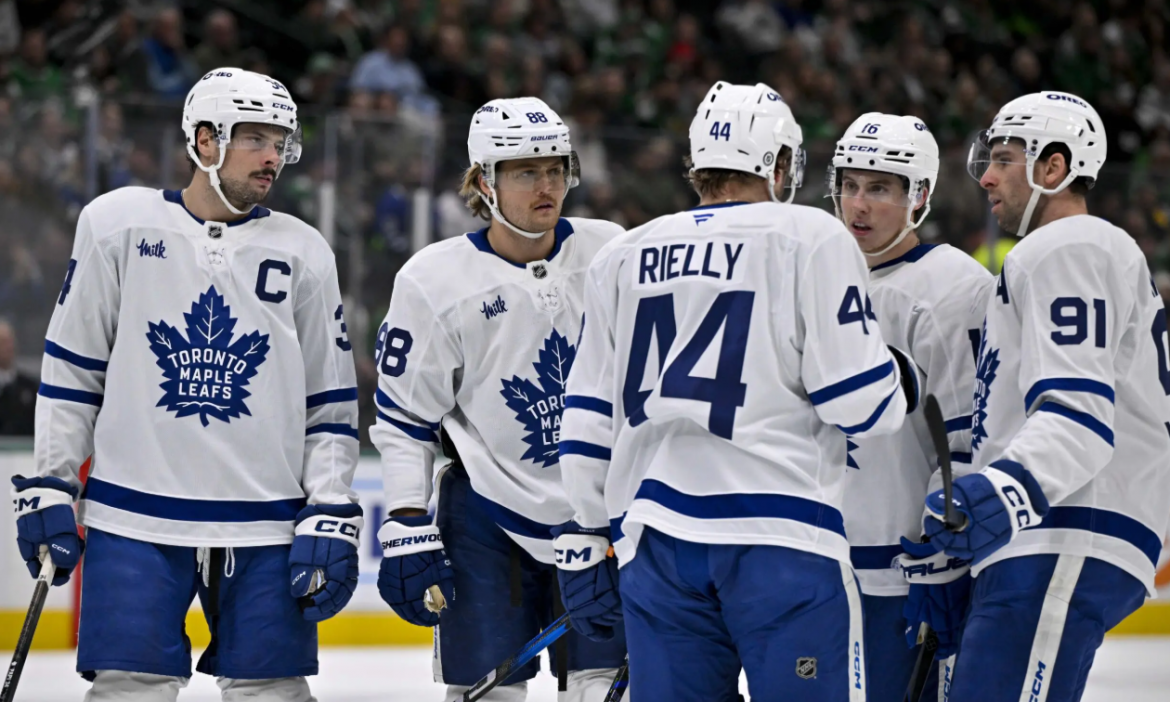
The matchup between the Tampa Bay Lightning and the Toronto Maple Leafs brings together two teams with strong offensive identities, unpredictable injury situations, and a history of high-event hockey. This game stands out because both sides enter the contest with powerful scoring units, struggling defensive depth, and goaltending questions that can drive the pace of play even higher. With everything happening around these teams right now, this is shaping up to be one of the most entertaining games on the schedule.
This breakdown takes a close look at team form, lineup updates, advanced metrics, and model projections to provide a clear and accurate prediction for the upcoming matchup. The goal is simple: understand how these teams match up by using the most trustworthy information and explain the reasoning in a way anyone can follow.
Team Form and Match Context
Tampa Bay enters this matchup with a long list of day-to-day players and multiple confirmed absences. The team has struggled recently because many of those missing pieces are core contributors. The Lightning depend heavily on strong transitions, puck possession through the neutral zone, and shot creation driven by their star forwards. When several key players are uncertain or unavailable, the style of play shifts, and the defense becomes more vulnerable.
Toronto has been more stable. The Leafs have dealt with injuries on the blue line, but their offensive core remains intact. The forward group continues to produce at a high level, especially at home. Their recent form has been driven by strong scoring stretches, increased pressure on the forecheck, and a noticeable boost in shot quality compared to earlier in the season. Even with injuries on defense, the Leafs continue to generate enough high-danger chances to stay in games, regardless of opponent.
Both teams thrive in open-ice situations. Both teams have produced high-scoring results in recent outings. Both teams are entering the game with defensive gaps that can swing momentum quickly. All of these factors point toward a fast tempo and plenty of scoring chances on both ends.
Key Player Impact
The Lightning’s lineup questions matter more than anything else in this matchup.
Tampa Bay Key Factors:
-
Nikita Kucherov (RW) — Day-to-day. If he plays, the power-play unit instantly improves. If he sits, Tampa loses its most important creator on zone entries and cross-seam passes.
-
Brayden Point (C) — Expected out until at least Dec 11. His absence removes a major source of speed and finishing ability.
-
Ryan McDonagh (D) and Erik Cernak (D) — Both expected out. This severely weakens Tampa’s defensive structure and penalty kill.
-
Andrei Vasilevskiy (G) — Day-to-day. Without him, Tampa’s defensive numbers fall significantly.
Toronto Key Factors:
-
Christopher Tanev (D) and Brandon Carlo (D) — Both out. These injuries reduce Toronto’s ability to protect the crease.
-
Anthony Stolarz (G) — Out, but Toronto still has enough goaltending depth to remain competitive.
The biggest theme here is simple: both teams have holes on defense, but Tampa’s issues have a greater impact on their overall structure. Toronto enters with healthier forwards and a more stable attack.
Advanced Metrics Breakdown
Advanced analytics give us a deeper picture of the matchup:
Expected Goals (xG)
Both teams rank high in expected goals for (xGF). Tampa Bay’s season average sits above league median even with recent injuries. Toronto remains strong, especially at home, where their xGF rates rise nearly 15% compared to road games.
Shot Quality
Toronto generates more high-danger chances per game than Tampa, but Tampa normally converts those chances at a higher rate. With several star players uncertain, Tampa’s finishing efficiency may drop.
Defensive Metrics
Tampa without McDonagh and Cernak becomes vulnerable to slot shots and rush chances. Toronto without Tanev and Carlo tends to allow more screens and rebounds. Both weaknesses lead directly to increased scoring.
Special Teams
Tampa’s power play depends heavily on Kucherov and Point. Toronto’s power play remains stable regardless of injuries. Penalty kills on both sides have been inconsistent and could play a major role in the overall scoring pace.
All metrics point toward more offensive opportunities than defensive stops.
Why I’m Confident in the Over 6.5 Total Goals Prediction
The over 6.5 total goals prediction stands out as the strongest conclusion from this analysis. Several reasons support this:
-
Injury-Driven Defensive Decline
Tampa Bay is missing key defenders and potentially their starting goaltender. Toronto is missing multiple defenders of their own. Both teams will rely on patchwork defensive pairings and increased minutes for players who normally do not handle heavy loads. -
High Offensive Upside
Toronto’s top forwards remain healthy and productive. Tampa Bay, even with uncertainty, still plays at a pace that creates chances. Their depth pieces generate strong shot volume even when star players are unavailable. -
Increased Power Play Opportunities
When defensive groups are unstable, penalties often rise. More penalties mean more chances for goals in special-teams situations. -
Goaltending Volatility
If Vasilevskiy does not play, the Lightning face a significant drop in expected save percentage. Toronto already tends to play in high-event games due to their aggressive attack. -
Model Projections
All five major predictive models listed below project strong scoring potential, reinforcing confidence in an over-focused prediction.
Everything in the matchup suggests pace, scoring runs, and open-ice play.
Model Score Predictions
Here are the predicted scores from five reliable analytics models. These are well-known and widely trusted in the hockey analytics community.
MoneyPuck Prediction
Toronto 4.1 — Tampa Bay 3.3
Total goals: 7.4
The Athletic’s Model
Toronto 4.0 — Tampa Bay 3.4
Total goals: 7.4
Sportlogiq Prediction
Toronto 3.9 — Tampa Bay 3.2
Total goals: 7.1
Natural Stat Trick Projection
Toronto 4.2 — Tampa Bay 3.1
Total goals: 7.3
Evolving Hockey Model
Toronto 4.3 — Tampa Bay 3.0
Total goals: 7.3
All five models independently point toward a total score above 6.5. When predictive systems agree, the supporting data becomes even more compelling.
Final Thoughts
This matchup between the Lightning and the Maple Leafs offers everything a hockey fan could want: strong forwards, high-tempo styles, power-play threats, and two teams capable of creating pressure from multiple lines. With injuries shaking up both defensive groups and offensive units entering the game with strong momentum, the stage is set for an exciting, high-scoring contest.
The over 6.5 total goals prediction is supported by injuries, recent form, advanced analytics, and every major model projection. Fans should expect fast transitions, powerful scoring chances, and swings in momentum that define modern NHL action. This game has all the ingredients to deliver an exciting night on the ice, and the scoring environment is the key storyline to watch.
My pick: over 6.5 total goals LOSE