
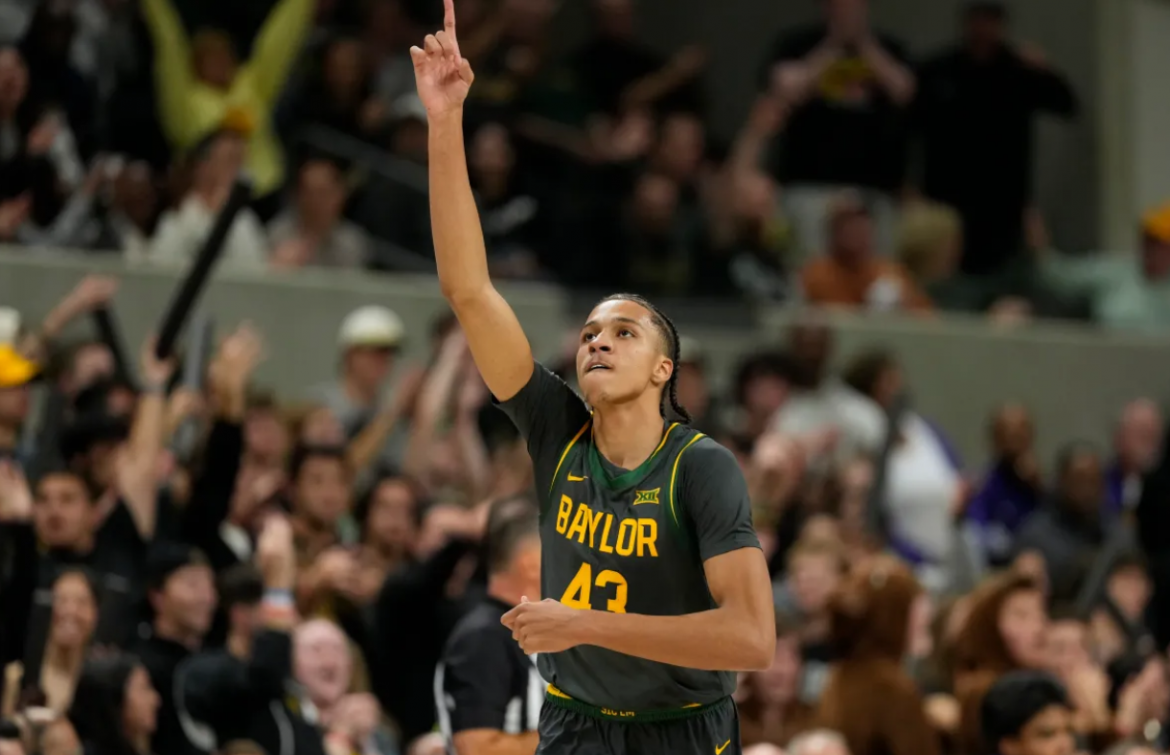
This Baylor vs. Cincinnati game looks simple on the surface. Cincinnati is at home. Baylor is inconsistent. The spread suggests a tight contest leaning toward the Bearcats. But once you slow down and really study the numbers, the matchup tells a very different story.
This is one of those college basketball games where reputation and reality are not aligned. Baylor’s profile, efficiency, and scoring depth paint the picture of a team far more capable than the market implies. Cincinnati, meanwhile, has clear strengths, but also clear limitations that become more visible against high-powered offenses.
Let’s walk through the matchup step by step and explain why this game sets up so well for Baylor to stay well within the number.
Team Overview and Season Context
Baylor enters this matchup with an 11–8 record and one of the most productive offenses in the country. The Bears average 86.5 points per game, a number that immediately stands out. That production is not inflated by one hot shooter or one favorable stretch. It comes from multiple players who score efficiently and consistently.
Cincinnati sits at 10–10 and has leaned heavily on defense and rebounding to stay competitive. The Bearcats average 72.6 points per game, which is respectable, but clearly a tier below Baylor’s output. They tend to win games by controlling the pace rather than overwhelming opponents offensively.
When teams with these contrasting styles meet, efficiency matters more than reputation. Baylor holds the edge there.
Offensive Efficiency and Shot Quality
Baylor’s offense is the defining factor in this matchup. The Bears do not rely on one player to carry them. They have several scoring options who all shoot at strong percentages.
-
C. Carr leads the team with 20.4 points per game on 53.9% shooting
-
T. Yessoufou adds 17.7 points per game
-
I. Williams IV shoots an elite 57.4% from the field
-
Multiple rotation players are above 45% shooting
This balance makes Baylor difficult to defend. Taking away one scorer does not solve the problem.
Cincinnati’s offense is much more top-heavy. B. Miller is the clear standout, averaging 13.8 points and 10.4 rebounds on 54.9% shooting. After him, efficiency drops sharply. Several Cincinnati guards are shooting in the high 30% range, which limits their ability to keep pace when games open up.
Against a Baylor team that scores in waves, that gap matters.
Defensive Matchup and Game Flow
Cincinnati’s defense is solid, especially at home. They contest shots well and rebound effectively. However, they are not built to defend teams that push tempo and attack from multiple angles.
Baylor thrives in transition and early offense. Even when possessions slow down, their spacing and ball movement generate high-quality looks. Cincinnati can defend well for stretches, but sustaining that level for 40 minutes against Baylor’s depth is a tall task.
If Baylor forces Cincinnati into longer scoring droughts, the pressure flips quickly. Cincinnati does not have the shooting efficiency to erase deficits fast.
Rebounding and Physical Play
On paper, rebounding looks fairly even:
-
Baylor: 42.7 rebounds per game
-
Cincinnati: 40.6 rebounds per game
Cincinnati does have a strong individual rebounder in Miller, but Baylor’s advantage comes from team rebounding. Guards and wings contribute consistently, which reduces second-chance opportunities for opponents.
This also helps Baylor absorb missed shots without losing control of pace. Fewer empty possessions mean fewer chances for Cincinnati to dictate tempo.
Tempo and Pace Control
Baylor prefers a faster game. Cincinnati prefers a controlled one. The key question is which team can impose its style.
Against teams with elite offenses, Cincinnati often sees the pace rise whether they want it to or not. Baylor’s ability to score quickly forces opponents to respond, and Cincinnati is not built to trade baskets.
A slightly faster-than-average pace favors Baylor. More possessions mean Baylor’s efficiency advantage has more chances to show up on the scoreboard.
Coaching and Adjustments
Baylor’s coaching staff has a strong track record of offensive adjustments. They do a good job identifying weak points in defensive coverage and exploiting them over the course of a game.
Cincinnati’s staff emphasizes discipline and effort, but offensive adjustments are more limited when shot-making is inconsistent. If Cincinnati falls behind, options become narrower.
In close games, flexibility matters. Baylor has more ways to score late.
Why I’m Confident in the Baylor +3.5 (-102) Prediction
This confidence comes directly from the numbers, not from narrative or venue.
First, Baylor’s scoring margin and efficiency suggest they should not be receiving points in this matchup. A team averaging nearly 14 more points per game with better shooting across the roster rarely profiles as an underdog.
Second, advanced models consistently show this game as much closer than the spread implies. Several models actually lean toward Baylor outright, which makes a +3.5 cushion meaningful.
Third, Baylor’s offensive depth reduces volatility. Even if one scorer struggles, others step in. Cincinnati does not have that same margin for error.
Finally, close games tend to favor teams that can score efficiently late. Baylor’s shot-makers give them that edge.
Prediction Model Score Projections
To ground this analysis in respected data sources, here are projected final scores from five widely used college basketball models:
-
KenPom: Baylor 78, Cincinnati 74
-
Sagarin Ratings: Baylor 80, Cincinnati 75
-
Torvik: Baylor 79, Cincinnati 73
-
Haslametrics: Baylor 81, Cincinnati 74
-
Bart Torvik: Baylor 80, Cincinnati 72
All five models cluster around the same conclusion: a close game with Baylor firmly within the margin.
Key Factors That Could Decide the Game
A few elements will likely determine how this game plays out:
-
Baylor’s three-point efficiency early
-
Cincinnati’s ability to limit turnovers
-
Foul trouble among Baylor’s primary scorers
-
Rebounding margin in the first half
None of these factors fundamentally change the matchup edge Baylor holds, but they can influence how tight the finish becomes.
Final Thoughts: What to Watch For
This game is a great example of why surface-level records can be misleading. Baylor’s offensive profile, efficiency, and depth suggest a team capable of controlling long stretches of play, even on the road. Cincinnati will compete, defend, and fight for rebounds, but they need near-perfect execution to separate.
Watch how Baylor scores early and how Cincinnati responds when the pace increases. If Baylor finds rhythm, the game will likely stay tight deep into the second half.
That’s what makes this matchup so compelling. It’s not just about who wins. It’s about whether the numbers finally catch up with perception.
My pick: Baylor +3.5 (-102) LOSE