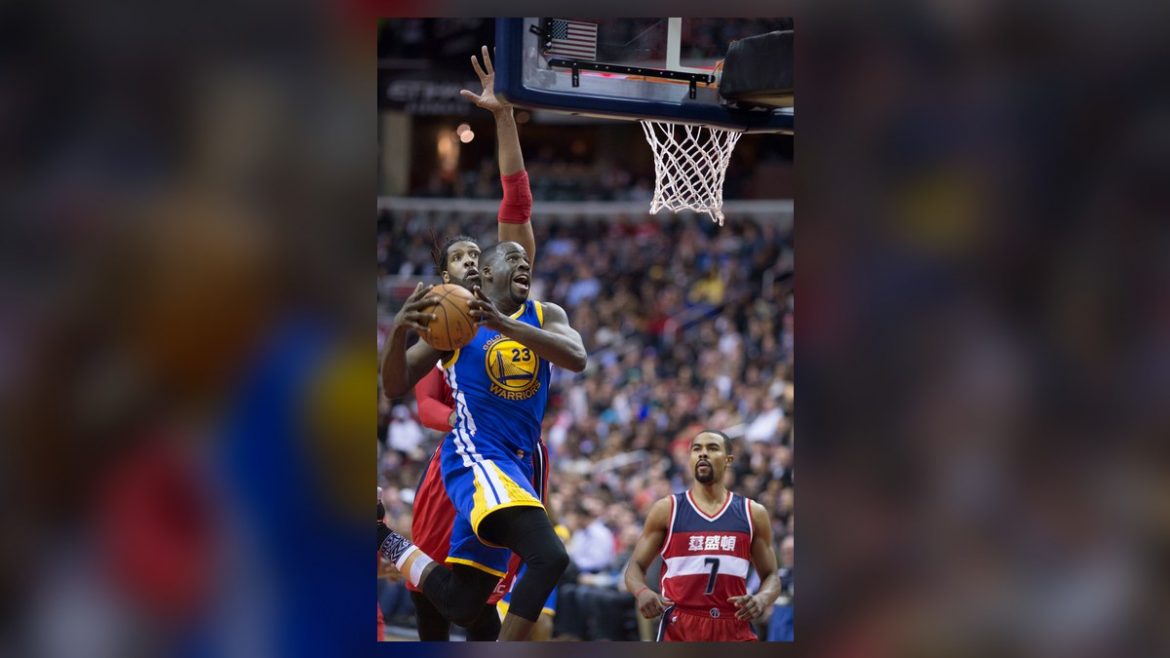
Draymond Green has opted out of his contract with the Golden State Warriors, setting up another important offseason for a franchise trying to balance continuity, financial flexibility and the possibility of a bigger roster shakeup. According to reports cited by MSN, Golden State is also being linked in league chatter to possible moves involving LeBron James and Anthony Davis, though those reported possibilities remain speculative at this stage.
The immediate significance of Green’s opt-out is straightforward: one of the defining players of the Warriors’ era is no longer locked into the same financial structure, and that gives both sides more room to negotiate the next step. In practical terms, an opt-out does not automatically mean a departure. It can be used to reshape the contract, create flexibility, or align a deal more cleanly with a team’s long-term plans. For a Warriors organization that has spent years trying to extend a championship core while avoiding a full teardown, that distinction matters.
Draymond Green’s opt-out changes the offseason math
Green has been central to Golden State’s identity for more than a decade, especially on the defensive end and as a connective passer within the Warriors’ motion offense. His decision to opt out puts his future back on the table at a time when the team is weighing how to support Stephen Curry and whether the current core still has enough around it to contend at the highest level.
From a roster-building standpoint, the move gives the Warriors a chance to reassess structure rather than simply carry forward the same contract terms. That can matter in several ways: how much flexibility the team has under the salary cap, what kind of talent it can pursue, and whether it can keep enough depth around its stars to survive a long season. Golden State has spent recent years operating in a narrow lane between trying to win now and preserving options for the future. Green’s opt-out suggests that lane may be widening slightly.
It also reinforces how much the Warriors’ offseason has become tied to the futures of their veteran core. Curry remains the franchise centerpiece, while Green’s value has always been more difficult to measure in traditional box-score terms than in the way Golden State functions defensively and emotionally. Even as he has aged, the Warriors have continued to rely on his communication, anticipation and edge. Any change to his contract status therefore carries implications beyond one player’s salary line.
Reported interest in LeBron James and Anthony Davis raises the stakes
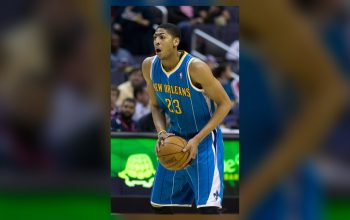
The other part of the reporting surrounding Golden State makes the news even more notable. MSN’s summary says the Warriors are eyeing possible moves involving LeBron James and Anthony Davis. That does not mean a trade is imminent or even likely, but it does indicate that Golden State is being discussed in the same breath as two of the most recognizable players in the league.
If the Warriors are truly exploring that level of star movement, the Green opt-out could be part of a larger effort to create the necessary roster and financial conditions. Teams that chase major names often need every possible mechanism available to them, whether that means adjusting veteran contracts, preserving tradable pieces, or clearing room to facilitate a broader deal. In that sense, Green’s decision may be as much about organizational strategy as it is about his own personal contract preference.
Still, there is an important distinction between reported interest and actionable negotiation. The NBA offseason regularly produces broad speculation around marquee names, and Golden State has long been a team that appears in those conversations because of its market size, championship history and star-driven culture. Until there is a concrete transaction or verified front-office movement, the James and Davis chatter should be treated as background to the more certain development: Green has opted out, and the Warriors now have a decision to make.
What Green means to the Warriors beyond the numbers
Green’s standing with the franchise is unusual even by NBA standards. He is not just a high-level veteran; he is one of the foundational pieces of the Warriors’ dynasty, alongside Curry and Klay Thompson. His importance has always gone well beyond scoring. He has been a defensive quarterback, a transition initiator, and the emotional engine for teams built on spacing, timing and trust.
That kind of player forces a team to think carefully before moving on. The Warriors know what Green brings when he is healthy and engaged, and they also know how thin the margin becomes when his role is reduced or when the surrounding roster lacks enough physicality and playmaking to absorb changes. Any new contract arrangement, or any separation, will therefore be judged not only on cap implications but also on whether Golden State can preserve the elements that made it successful in the first place.
At the same time, the team has reached a point where sentiment alone cannot drive every decision. The Warriors have to decide how much they are willing to commit to veterans while still keeping the roster adaptable enough to respond to the modern NBA’s speed of change. That tension is what makes this summer consequential. Green’s opt-out is a signal that the franchise is not simply running back the same group without discussion.
Why this matters for Golden State’s next phase
The Warriors have spent years navigating the transition from an all-time great peak to a more uncertain present. Green’s opt-out highlights that the franchise is still searching for the right formula for the next stage. There is no straightforward answer. Keep the core together, and the team preserves its identity but risks stagnation. Rework the roster aggressively, and the Warriors may improve their flexibility but also take on new volatility.
That is why the next move matters so much. Green remains one of the league’s most recognizable defenders and a player whose influence is felt every possession. If he returns on a revised deal, the Warriors may be aiming for continuity with a sharper financial plan. If the path leads elsewhere, Golden State would be confronting another major transition in the heart of its championship-era structure.
For now, the only confirmed development is Green’s opt-out and the opening of a new negotiation window. The broader noise around LeBron James and Anthony Davis is what makes the story especially watched around the league, but the core issue is simpler: the Warriors are again being forced to define what comes next, and one of the players who helped define their past is now at the center of that conversation.