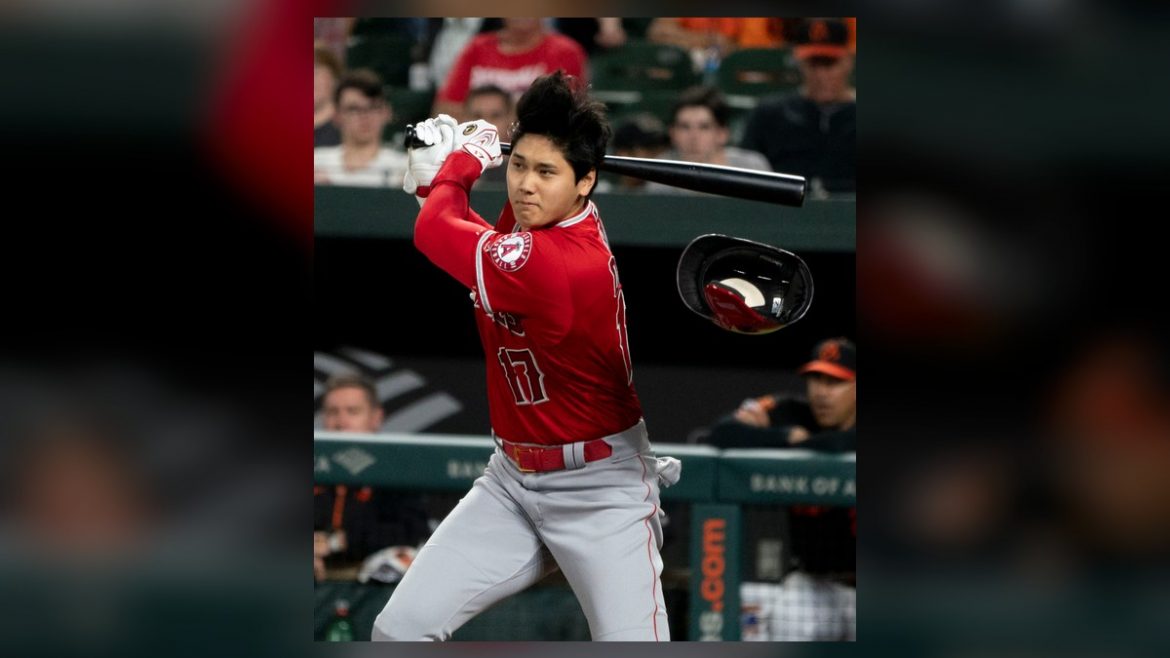
Shohei Ohtani is reportedly pitching through knee inflammation, a development that adds fresh concern to the Los Angeles Dodgers’ effort to manage one of baseball’s most unique and heavily monitored players. The injury update matters not only because Ohtani is a central figure in the Dodgers’ lineup and rotation plans, but because any health issue involving his lower half can affect both his pitching and hitting value.
Shohei Ohtani’s latest injury update
According to the report from International Business Times Australia, Ohtani has been pitching despite knee inflammation. The update places a spotlight on the Dodgers’ medical and coaching decisions, especially because Ohtani’s role is different from that of most pitchers in the league. He is not only expected to contribute on the mound, but also to remain a major offensive presence when he is in the lineup.
The available report does not suggest a long-term diagnosis, but it does indicate that Ohtani is working through discomfort. For any pitcher, knee issues can affect balance, drive, and landing mechanics. For Ohtani, who has built his game around both power and precision, even a relatively minor issue can influence how aggressively the Dodgers can use him from start to start.
Why the Dodgers are watching this closely
The Dodgers have spent the past several seasons operating with a strong awareness of workload management, especially with pitchers recovering from injuries or navigating physical limitations. Ohtani’s case is even more complex because he brings rare two-way value. When he is healthy, he can change a game with his bat or his arm. When he is limited, the ripple effect reaches multiple parts of the roster construction.
Injury news involving Ohtani tends to carry broader implications than a typical pitcher update. A starting pitcher sidelined for a stretch affects the rotation. A hitter dealing with an issue may require rest days or reduced activity. A two-way player dealing with a lower-body problem forces a team to think through both sides of the schedule. That makes every update on Ohtani especially significant for the Dodgers as they try to stay balanced over the long season.
The report also serves as a reminder of how unusual Ohtani remains in the modern game. Most teams do not have to plan around one player impacting two separate phases of the roster. The Dodgers, because of Ohtani’s skill set, have to account for both his pitching assignments and his offensive workload whenever a physical issue arises.
What knee inflammation can mean for a pitcher
Knee inflammation is not the kind of injury that always sends a player straight to the injured list, but it can be a meaningful obstacle for a pitcher. Lower-body health is essential to repeating mechanics, generating velocity, and controlling the strike zone. If a pitcher is guarding a knee, even slightly, he may alter his delivery without intending to do so.
That kind of adjustment can matter over the course of a game or a season. Pitchers rely on consistency in their motion, and any small change in how they plant or push off can affect command. The Dodgers will likely be attentive to how Ohtani responds between outings, how he recovers, and whether the issue affects his ability to maintain his normal routine.
For a player whose profile includes both elite power and elite pitching tools, the stakes are especially high. The Dodgers are not just protecting a starter. They are protecting one of the sport’s most valuable all-around players, and that means patience often becomes as important as performance.
How Ohtani’s two-way role changes the stakes
Ohtani’s two-way workload remains one of the defining stories in baseball, and that is why any injury note draws attention immediately. His value is magnified because he can influence a game in multiple ways. A pitcher with a sore knee may still be able to pitch, but a two-way player also has to preserve enough physical condition to contribute offensively and withstand the demands of daily preparation.
The Dodgers have been deliberate in structuring his usage, and that approach becomes even more important when an injury report enters the conversation. Even if the inflammation proves manageable, the team may still choose to be conservative in order to avoid making a small problem larger. That sort of caution is common for pitchers, but it carries added weight for Ohtani because of everything else he does for the club.
From a baseball standpoint, the concern is less about one outing than about preserving Ohtani’s effectiveness across the season. The Dodgers are trying to maximize a rare player while limiting the chances that one issue leads to another. That balancing act is what makes every health update part of a larger strategic picture.
The broader injury picture in baseball
The International Business Times Australia roundup framed Ohtani’s situation as one of several current MLB injury storylines, which reflects how often health news shapes the league’s competitive landscape. In baseball, injuries rarely stay isolated to one player. They affect depth charts, bullpen usage, lineup construction, and how aggressively teams can manage pitching plans from series to series.
For the Dodgers, Ohtani’s status carries outsized importance because of the investment in his role and the expectations that come with it. But the larger lesson is familiar across the sport: the middle of the season can test a team’s depth as much as its talent. Even clubs with elite rosters can be forced to adjust when a marquee player is less than fully healthy.
That is especially true for a pitcher. Starters do not pitch every day, which can make injury management look more manageable from the outside. In reality, each turn through the rotation is a controlled test of whether a player’s body can tolerate the demands of game speed. For Ohtani, the question is whether the knee issue remains something he can pitch through or whether it eventually requires more caution.
What to watch next for the Dodgers
The next few updates will likely focus on how Ohtani feels after pitching, whether the inflammation improves with rest, and whether the Dodgers modify his schedule. There is no indication in the source report that the issue has escalated into a major setback, but the fact that it is being tracked at all is notable given Ohtani’s importance to the club.
If the discomfort remains manageable, the Dodgers may simply continue monitoring him closely. If it lingers, the team could be forced to revisit how often he pitches and how much physical strain he takes on between outings. In either case, this is the kind of story that can evolve quickly, especially with a player whose workload is already under a microscope.
For now, the key point is straightforward: Ohtani is still being used on the mound while dealing with knee inflammation, and the Dodgers will need to weigh short-term performance against long-term durability. That equation is never simple, and it is even more complicated when the player in question is one of the most unique talents the sport has ever seen.