
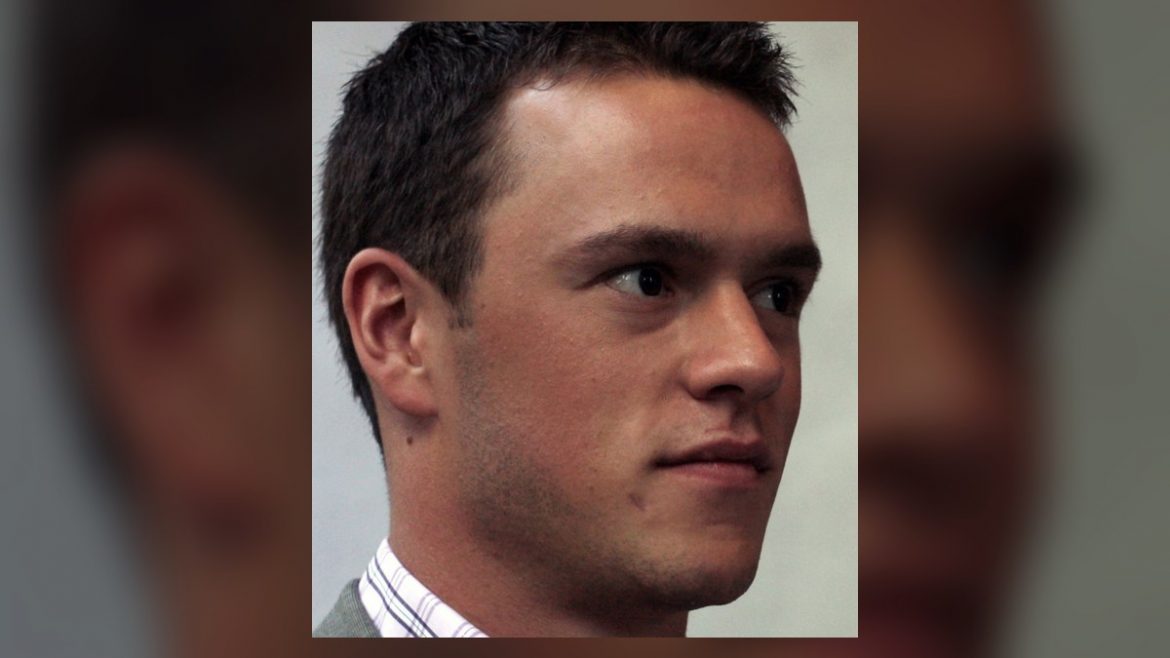
Jonathan Toews has retired from the NHL, ending one of the most accomplished two-way careers of the salary-cap era and closing the book on a defining chapter in Chicago Blackhawks history. According to reports, the longtime Blackhawks captain is stepping away after a run that included three Stanley Cup championships and years as the organizational centerpiece in Chicago.
Toews ends a career built on championships and responsibility
Toews’ retirement brings down the curtain on a career that was as much about leadership and consistency as it was about points and highlight plays. Drafted by Chicago third overall in 2006, he quickly became the kind of player teams build around: dependable in all situations, trusted on faceoffs, and capable of elevating his game when the stakes were highest.
He did not merely wear the captain’s “C” for the Blackhawks; he became the standard for the role. For more than a decade, Toews served as the public and on-ice face of a franchise that transformed itself into a model contender. His resume includes Stanley Cup titles in 2010, 2013 and 2015, a run that placed him among the most successful leaders of his generation.
Blackhawks captaincy and playoff legacy define his place in team history
Toews was named Chicago’s captain in 2008 at a remarkably young age, a sign the organization viewed him not just as a top center but as a culture-setter. That decision proved pivotal. The Blackhawks went on to become a dominant force in the Western Conference, and Toews was at the center of nearly every major moment, particularly in postseason play.
His value often extended beyond the box score. Toews built a reputation as one of the league’s best defensive forwards, routinely matched against top competition and expected to handle difficult assignments in addition to producing offense. In playoff hockey, where the ability to win small battles can decide series, that all-around profile made him indispensable.
He also earned the 2010 Conn Smythe Trophy as playoff MVP, recognition of how central he was to Chicago’s first championship of the era. That distinction reflected not only scoring output but also the broader impact he had on the Blackhawks’ identity during the team’s rise.
A career that mirrored an era of Blackhawks success
Toews’ departure also marks the end of a generation for Chicago. Alongside stars such as Patrick Kane, Duncan Keith and Brent Seabrook, he formed the core of a roster that delivered sustained contention and multiple championships. For a long stretch, the Blackhawks were one of the NHL’s most watched and most consistently successful teams, and Toews was a constant throughout that run.
His influence in Chicago went beyond trophies. The Blackhawks’ championship years helped raise the profile of hockey in a major market where the sport had long competed for attention. Toews, with his measured demeanor and steady production, became a recognizable figure well outside the usual hockey audience.
As the roster around him changed over the years, Toews remained a symbol of continuity. Even when the Blackhawks shifted from contender to rebuilding club, his presence connected the organization’s present to its championship past. That is part of why his retirement carries significance beyond one player leaving the ice; it signals a more complete transition away from the dynasty years.
Health questions and recent absence framed the final chapter
Toews’ final seasons were shaped more by absence than by the sustained availability that defined his prime. He sat out the entire 2020-21 season and missed the following campaign as he dealt with health issues, then returned for the 2022-23 season. Those pauses made it increasingly clear that any comeback would be measured against the demands of a long and physical career rather than the expectations that once followed him every night.
His on-ice production naturally changed as his career advanced, but his reputation had already been set by what he accomplished at his peak. For veteran players, the final years can sometimes blur the memory of the best ones. In Toews’ case, the championship runs and his status as a consistently elite two-way center remain the lasting reference points.
Retirement now gives a clean ending to a career that had already entered its twilight. It also avoids the awkward uncertainty that can surround players who continue searching for one more comeback. Toews’ body of work speaks for itself, and the Blackhawks’ history is permanently tied to it.
What Toews means for the Blackhawks and the modern NHL
Toews retires with a profile that remains increasingly rare in today’s NHL: a top-line center who could be deployed against the opposition’s best, lead a power play when needed, and take key defensive-zone shifts without sacrificing trust. The league has evolved in many ways since his prime, but players who can influence every facet of the game still form the backbone of contenders.
For Chicago, the retirement is another reminder that the franchise’s championship core is now fully in the rearview mirror. The Blackhawks have spent recent seasons trying to rebuild a competitive foundation, and the exit of one of the last major links to the Cup teams underscores how far the organization has traveled from that era.
For the league at large, Toews leaves behind a career that fits comfortably among the most respected of his time. He was not always the flashiest player on the ice, but he was often among the most effective. That combination helped him win, and winning is what ultimately defines his legacy.
Sources
- Jonathan Toews retires after iconic NHL career that included 3 Stanley Cups as Blackhawks captain – The Derrick
- Jonathan Toews retires after iconic NHL career that included 3 Stanley Cups as Blackhawks captain – Times West Virginian